2026 Best Drilling Mud Pumps for Global Buyers Guide?
In the fast-paced world of drilling operations, the choice of drilling mud pumps is critical. Drilling Mud Pumps play a vital role in the efficiency and success of drilling projects. They ensure optimal fluid circulation, maintain pressure, and support the overall drilling process.
Selecting the best drilling mud pumps requires a nuanced understanding of various factors. Different projects demand unique specifications and performance characteristics. Not all pumps are created equal. Some may fall short under specific conditions, leading to inefficiencies or even project delays. It's essential to carefully evaluate your options.
As global buyers, your decision will shape project outcomes. Understanding pump types, capacities, and technologies can help you make a more informed choice. While there are many reputable brands, not every supplier can deliver what they promise. This guide aims to navigate these complexities, ensuring you find the right drilling mud pumps to meet your needs effectively.
Overview of Drilling Mud Pumps and Their Importance in Drilling Operations
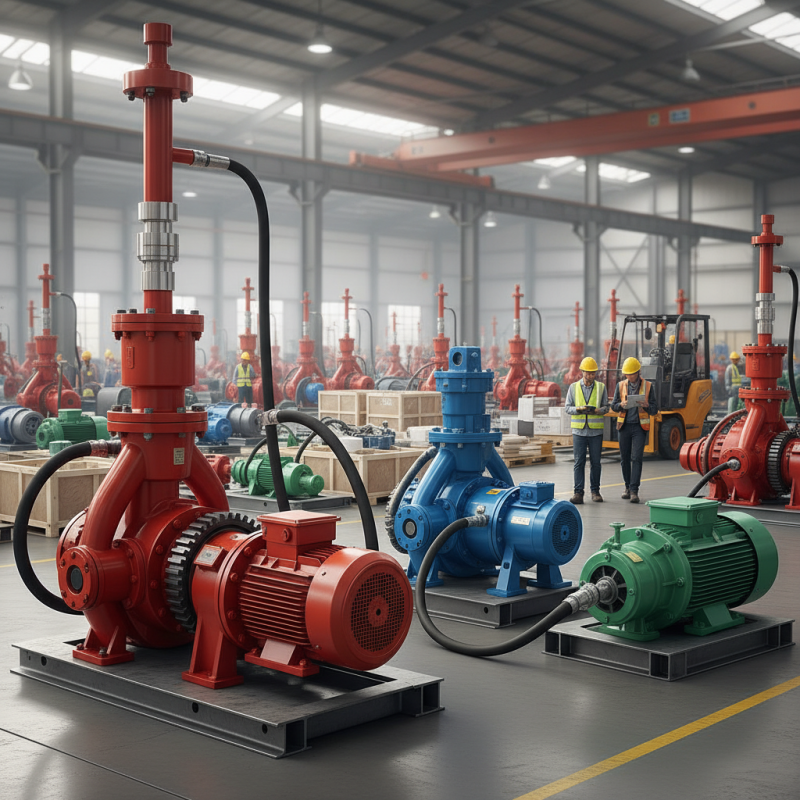
Drilling mud pumps play a vital role in drilling operations. These pumps circulate drilling fluids, also known as mud, through the drilling system. This fluid serves multiple purposes: it cools the drill bit, lubricates the drilling assembly, and carries cuttings to the surface. Without a reliable mud pump, the drilling process can become inefficient, potentially causing costly downtime.
The selection of a drilling mud pump must consider various factors, such as pump capacity, pressure requirements, and the type of drilling fluid used. An efficient pump ensures consistent fluid flow, which is crucial for maintaining drilling performance. While advancements in pump technology have improved reliability, challenges still arise. Common issues include wear and tear or improper maintenance, leading to pump failure.
Using the right mud pump can greatly enhance drilling efficiency. However, it is essential to understand that not all pumps will meet every drilling operation's needs. Regular evaluation of pump performance is necessary. Drilling teams should be prepared to adapt their operations accordingly. Continuous learning about pump advancements can lead to better operational practices.
Types of Drilling Mud Pumps: A Comprehensive Comparison
When selecting drilling mud pumps, understanding the types available is crucial for efficiency.
The main categories include centrifugal pumps, positive displacement pumps, and diaphragm pumps.
According to a recent industry report, centrifugal pumps dominate with a market share of 45%.
They excel in high-flow applications but may struggle with high viscosity fluids.
Positive displacement pumps, on the other hand, offer better performance in handling thick slurries.
These pumps achieve a consistent flow rate regardless of pressure changes.
A study indicated that they are especially effective in offshore drilling scenarios.
However, their complexity can lead to higher maintenance costs, which operators need to consider.
Tip: When choosing a pump, consider the fluid's viscosity and the required flow rate.
Understanding the operational environment is key to making a sound decision.
Operating conditions can drastically affect pump performance, and not all pumps are created equal.
The reliability of a pump often goes hand in hand with its design.
Regular maintenance should never be overlooked. It's a feeling shared by many operators experiencing unexpected downtime.
Tip: Invest in upfront training for personnel.
Knowledgeable operators can significantly extend equipment lifespan.
Key Features to Look for in the Best Drilling Mud Pumps
When selecting drilling mud pumps, it's crucial to focus on their key features. The efficiency of these pumps can greatly impact the overall drilling operation. A recent industry report indicates that pumps with higher flow rates can improve drilling speeds by up to 30%. Look for models that offer adjustable flow rates to adapt to different drilling conditions. This flexibility can be vital for optimizing performance.
Durability is another essential factor. Pumps that are constructed from robust materials are more likely to withstand harsh drilling environments. According to a survey, nearly 45% of drillers reported serious operational issues due to pump failures. Regular maintenance can mitigate this, yet selecting high-quality pumps should be your first line of defense.
Tips: Always check the pump's compatibility with various drilling fluids. Some pumps work better with specific mud types. Additionally, consider noise levels; quieter pumps can significantly enhance safety on the site. Investing in the right technology initially may save costs down the road. Ensure your choice aligns with both current and future project needs.
Top Manufacturers of Drilling Mud Pumps in 2026
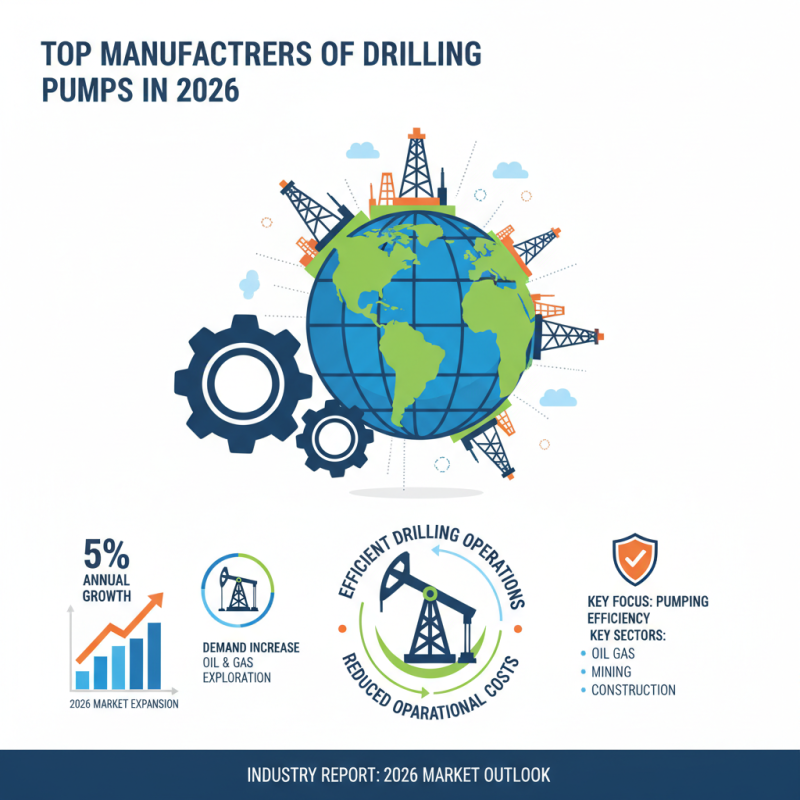
In 2026, the drilling mud pump market is expected to grow significantly. Industry reports indicate that the demand for drilling mud pumps will rise by around 5% annually. This growth correlates with the increasing need for efficient drilling operations across various sectors, particularly in oil and gas exploration. The pumping efficiency of these systems remains a focal point in reducing operational costs.
Top manufacturers in the drilling mud pump industry are focusing on innovative technologies to enhance performance. Reports show that advanced materials and design improvements are key trends. Many manufacturers are investing in research and development to address these challenges. The need for sustainable solutions is also shaping production strategies. However, not all manufacturers meet the market demands efficiently. Some products still fall short in durability or energy consumption, leading to potential inefficiencies.
Technological advancements are creating opportunities and challenges in this industry. The integration of digital tools for monitoring pump performance can lead to better maintenance practices. Yet, many companies struggle with implementation. Effective data analysis remains an obstacle for maximizing pump efficiency. The path forward involves a balance between embracing these innovations and addressing inherent flaws in current systems.
Considerations for Global Buyers when Selecting Mud Pumps
When selecting drilling mud pumps, various factors come into play. Understanding the pump's capacity is crucial. This determines the volume of fluid the pump can handle. Buyers should assess their specific project needs. The right capacity can prevent operational failures. Too much or too little can lead to costly delays.
Reliability is another key consideration. Look for pumps that exhibit durability in challenging conditions. A pump that fails can halt operations and escalate costs. It's essential to evaluate user feedback. Avoiding pumps with a history of frequent breakdowns is wise. Proper maintenance practices can enhance pump longevity, but reliability starts with an informed choice.
Price is important, but it should not be the only factor. Cost-effective solutions can sometimes be subpar. Buyers need to balance cost with quality. Investing slightly more upfront can save money in repairs and replacements later. This is often overlooked, leading to regret. Consider the long-term implications of your purchase decision.