2026 Top Hydraulic Pump Unit Innovations and Trends to Watch?
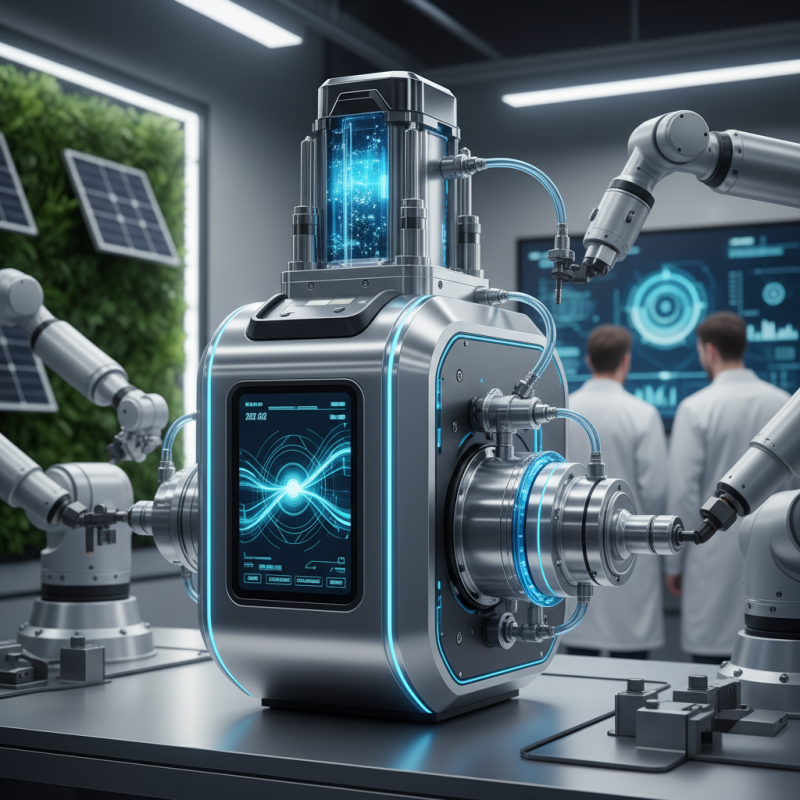
The world of Hydraulic Pump Units is evolving rapidly. Innovations in design and technology are shaping the future of these essential components. From advanced materials to smarter controls, we see significant trends emerging in 2026.
One key area of development is energy efficiency. Manufacturers are increasingly focused on reducing energy consumption while maintaining high performance levels. This shift raises questions about sustainability and costs. How can companies balance innovation with environmental responsibility?
Another trend is the rise of automation. Smart Hydraulic Pump Units are becoming the norm. They improve efficiency but may also create dependency on technology. What happens if these systems fail? As the market expands, the challenges increase. Keeping pace with advancements is critical, but it requires constant reflection on safety and reliability in design.
Emerging Technologies in Hydraulic Pump Units for 2026
Emerging technologies in hydraulic pump units for 2026 promise to revolutionize the industry. One major trend is the integration of IoT capabilities. Smart sensors can monitor performance in real-time. This data allows for predictive maintenance, reducing downtime significantly.
Another innovation is the use of lightweight materials. These new materials enhance efficiency without compromising strength. However, there may be concerns about durability. More research is needed to ensure longevity in challenging environments.
Electric drive systems are also gaining traction. These systems offer lower energy consumption and reduced noise levels. Yet, they require a careful balance between power output and operational stability. Adapting to these changes will be crucial as the industry moves forward.
Key Innovations in Materials and Design for Enhanced Performance
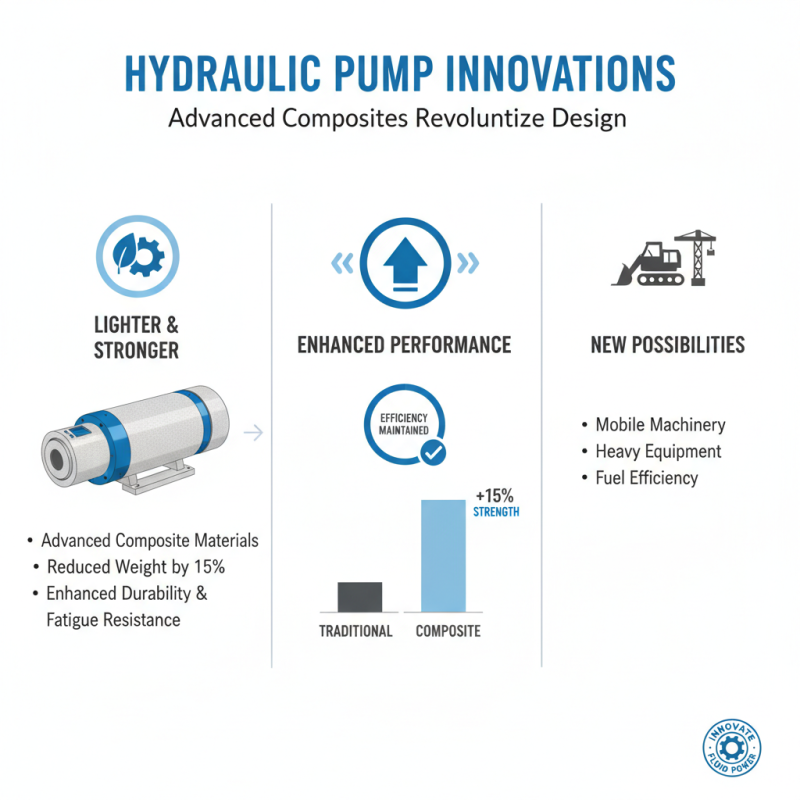
The hydraulic pump unit industry is experiencing significant innovations in materials and design, aimed at enhancing performance. Recent research shows that advanced composite materials are being utilized. These materials are lighter yet stronger, offering better resistance to fatigue. In tests, pumps made from these composites showed a 15% reduction in weight while maintaining efficiency. This advancement opens new possibilities for mobile machinery and equipment.
In addition to materials, design innovations are reshaping the hydraulic pump landscape. Modular designs are gaining traction. They allow easier maintenance and quicker replacements. A report noted that modular systems can reduce downtime by 30%. This is crucial in industries where time is money. Moreover, integrating digital technology with hydraulic systems leads to better monitoring and control. However, the complexity of these advancements poses new challenges for technicians and engineers. Proper training is essential to fully utilize these innovations, ensuring operations remain smooth and efficient.
Sustainability Trends in Hydraulic Pump Unit Manufacturing
The hydraulic pump unit industry is evolving with a keen focus on sustainability. Reports indicate that nearly 50% of companies prioritize eco-friendly practices in their manufacturing processes. This shift is driven by both regulatory pressures and consumer demand for greener products. Innovative materials that reduce waste and energy consumption are now at the forefront of design.
Manufacturers are adopting recycled materials, which shows a commitment to reducing their carbon footprint. Many organizations are exploring closed-loop systems, aiming to minimize waste while optimizing resources. However, some still struggle to implement these changes effectively. It raises questions about the balance between cost and sustainability.
Tips: Consider energy-efficient components when selecting equipment. Research suppliers who prioritize environmental standards. Small changes can lead to significant impacts. The industry has a long way to go, but the trend is clear. By embracing these innovations, hydraulic pump units can pave the way for a sustainable future.
2026 Top Hydraulic Pump Unit Innovations and Trends to Watch
Digital Integration: IoT and Smart Features in Hydraulic Pumps
The integration of digital technologies into hydraulic pumps is transforming the industry. Smart features enhance efficiency and uptime. IoT connectivity allows for real-time monitoring of hydraulic systems. This integration reduces unexpected failures, which can cost companies significantly. Reports indicate that equipment downtime can cost manufacturers over $260,000 per hour.
Many hydraulic pump systems now feature sensors to track performance metrics. These sensors provide valuable data for predictive maintenance. According to a recent study, businesses that implement IoT solutions can reduce maintenance costs by up to 30%. However, companies still face challenges. There are hurdles in data management and system compatibility. Ensuring interoperability is critical but often complex.
Despite these challenges, the push for smart hydraulic solutions continues to grow. As the demand for automation increases, innovations are crucial. Not all companies have embraced these changes fully. Some still rely on traditional methods. This inconsistency in adoption presents an opportunity for others. Companies that invest in digital integration now may gain a competitive edge. The future of hydraulic pumps is undeniably digital, but the path isn't devoid of obstacles.
Market Dynamics: Future Demand and Applications of Hydraulic Units
As we look ahead to 2026, the hydraulic pump unit market is evolving rapidly. The demand for smarter, more efficient hydraulic systems is on the rise. Industries like construction, agriculture, and manufacturing are driving this change. The push for sustainability is influencing design and functionality.
Companies are focusing on reducing environmental impact while enhancing performance.
Adoption of IoT technologies is a key trend. Advanced sensors and real-time data monitoring can optimize hydraulic unit performance. This ensures that facilities can make data-driven decisions. However, integration of new technology comes with challenges. Some firms may struggle with training staff. Others might face budget constraints that hinder upgrades.
Tips: Evaluate your current hydraulic systems. Identify weak spots and areas for improvement. Consider the long-term benefits of investing in advanced technology. Regular maintenance can also prevent future issues. Embrace innovation while being mindful of your capabilities. Adapting to change can be daunting, but reflecting on your current practices is crucial. The future is promising for those willing to evolve with the market.