2026 Top Oilfield Mud Pump Trends for Global Buyers?
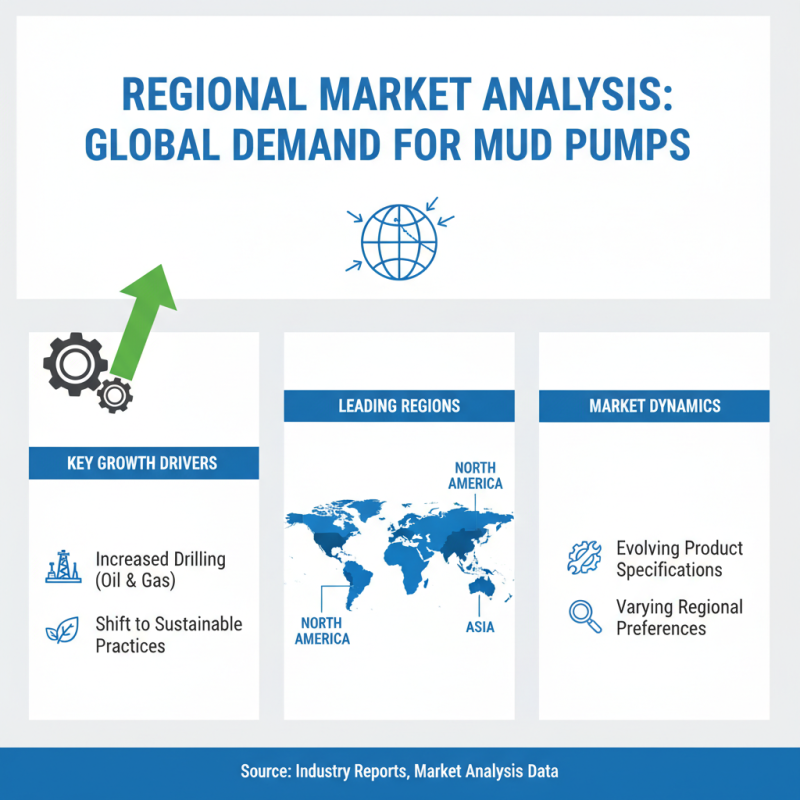
As the oil and gas industry evolves, the importance of Oilfield Mud Pumps increases significantly. Recent reports indicate that the global oilfield services market is projected to reach $284 billion by 2026, with mud pumps being a crucial segment. This growth is driven by the need for efficient drilling operations and effective fluid management in various geological conditions.
According to industry expert Dr. Emily Carter, "The future of oilfield operations hinges on reliable mud pump technology." Her insights underscore the critical role that advanced mud pumps play in enhancing drilling performance. With advancements in design and technology, the 2026 trends in Oilfield Mud Pumps are set to prioritize energy efficiency and reduced maintenance costs.
However, challenges remain, particularly in achieving compliance with evolving environmental regulations. Buyers will need to adapt to these demands to maintain operational effectiveness. As the industry matures, understanding these trends will be vital for making informed procurement decisions.
Current State of the Oilfield Mud Pump Market in 2026
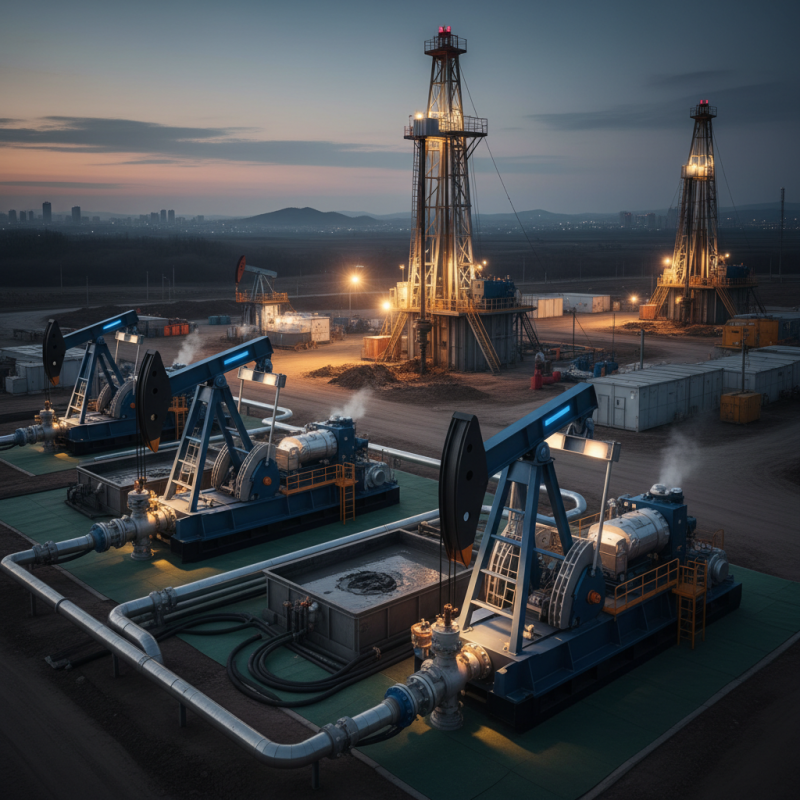
The oilfield mud pump market is witnessing significant developments in 2026. An increasing demand for efficient drilling technologies is driving innovations. Companies are focusing on producing pumps that enhance performance and reduce operational costs. These pumps play a critical role in maintaining pressure and circulation during drilling operations. As a result, buyers are looking for options that offer reliability and durability.
Current trends show that energy efficiency is a priority. Innovative designs are emerging to meet sustainability goals. Many manufacturers are integrating smart technology to monitor performance in real-time. This allows operators to address issues before they escalate. However, not all companies have adapted quickly to these changes. Some still rely on outdated practices. Clients are urged to evaluate their suppliers carefully.
Another important aspect is the global supply chain. Disruptions in recent years have exposed vulnerabilities. Buyers must consider sourcing strategies that ensure a steady flow of materials. Economic fluctuations can impact availability and pricing. This reality forces companies to rethink their procurement processes. Uncertainties in the market mean that flexibility is critical for future success.
2026 Oilfield Mud Pump Market Trends
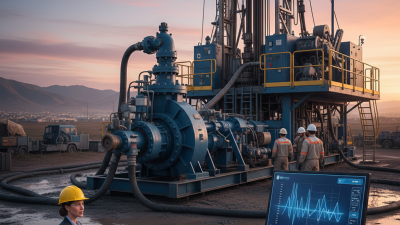
This chart illustrates the projected growth in efficiency and demand for oilfield mud pumps in the year 2026, highlighting key trends in performance and technology adoption.
Key Innovations in Mud Pump Technology for 2026
In 2026, advancements in mud pump technology are set to revolutionize the oilfield industry. Innovations focus on enhancing efficiency and reducing operational costs. The global mud pump market is expected to grow, reaching $1.5 billion by 2025, driven by these technological shifts.
One key trend is the integration of IoT in mud pump systems. This allows real-time monitoring and predictive maintenance. A recent study indicates that using IoT can decrease downtime by 30%. Advanced data analytics can lead to improved decision-making and increased productivity at drilling sites. Connectivity is crucial, yet it poses challenges in data security and requires robust management strategies.
Another significant innovation is the development of more durable materials. Recent reports show that pumps made from advanced composites can withstand extreme conditions more effectively than traditional materials. This leads to a longer lifespan of equipment and fewer replacements. However, the cost of these new materials remains high and may limit adoption. The industry must balance investment with potential long-term benefits.
Sustainability Trends Influencing Mud Pump Purchases
Sustainability has become a significant factor in purchasing mud pumps. As the oil and gas industry faces pressure to reduce its environmental impact, buyers are prioritizing eco-friendly options. Companies are exploring pumps designed with greener materials and more efficient technologies. These innovations often enhance performance while minimizing waste.
Additionally, there is a growing trend toward energy-efficient pumps. These models not only reduce carbon footprints but also save costs. Many buyers are looking for pumps with lower energy consumption and longer lifespans. While this shift is promising, it can complicate purchasing decisions. The balance between performance and sustainability is not always clear-cut.
Moreover, suppliers are under pressure to provide transparent information about their products’ environmental impact. Buyers seek data on life-cycle assessments and operational efficiency. However, many manufacturers still lack detailed reporting. This creates a gap in trust and complicates the decision-making process. Navigating these complexities requires thorough research and awareness of emerging trends in the market.
Buyer Considerations for Selecting Mud Pumps in 2026
Selecting the right mud pump in 2026 requires careful consideration. Buyers should first evaluate the operational requirements of their drilling projects. Different projects demand varying levels of pump capacity and pressure capabilities. It’s crucial to match the pump specifications with the specific drilling conditions. Factors like temperature, fluid type, and depth of drilling play significant roles in this decision.
Reliability is another key aspect. A dependable mud pump minimizes downtime and maintenance costs. Buyers should investigate the pump's components, like seals and bearings, for durability. Reviews and feedback from other operators can provide valuable insights into the pump's performance in real-world scenarios. Understanding the support and warranty options offered by manufacturers adds to the decision-making process.
Lastly, consider the cost-effectiveness of long-term operation. A cheaper initial investment may lead to higher maintenance costs, affecting overall profitability. Balancing initial costs with reliability and efficiency is essential. Future potential changes, such as regulatory updates or technological advancements, can also impact the choice. Remember, the right pump should not only meet today's needs but also adapt to tomorrow's challenges.