2026 Top Rope Block Sheaves for Global Buyers Insights?
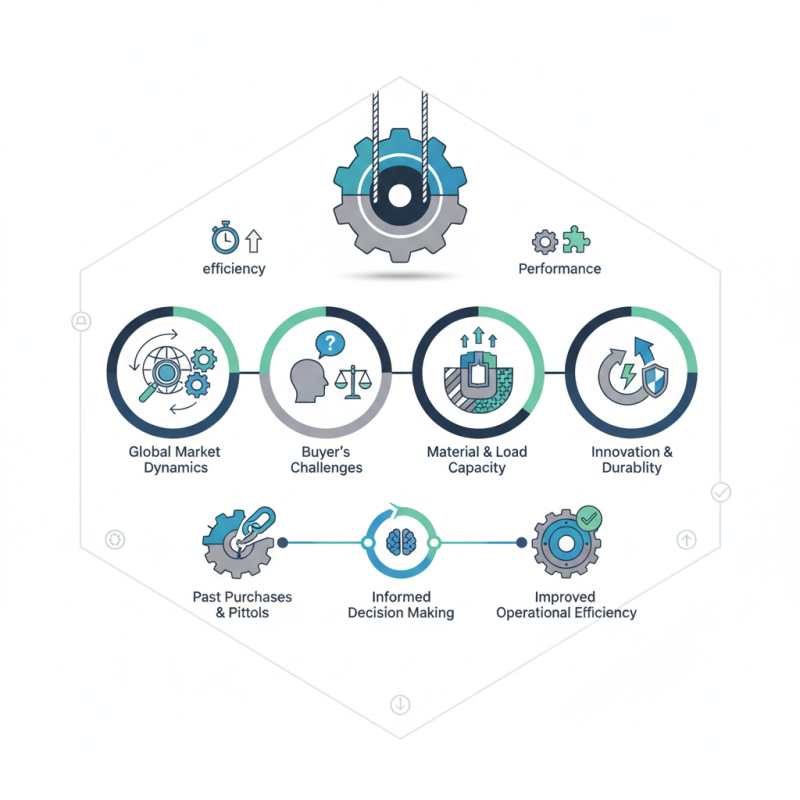
The global landscape of the "Rope Block Sheaves" industry is evolving rapidly. Understanding market dynamics is crucial for buyers. Experts like Mark Thompson, a renowned figure in the industry, emphasize, "Quality sheaves can dramatically improve operational efficiency." This statement captures the essence of what buyers must consider.
Navigating the options available is not straightforward. With numerous manufacturers and varying designs, the decision-making process can be overwhelming. Buyers are faced with challenges in selecting the right products, often leading to uncertainty. The complexities of material choice and load capacities must be understood deeply to make informed choices.
As the demand for robust "Rope Block Sheaves" continues to rise, the pressure on manufacturers intensifies. Industry trends indicate a push towards innovations that enhance durability and performance. However, with rapid advancements, some may overlook essential details. Reflecting on past purchases can be beneficial, helping buyers avoid previous pitfalls and make wiser decisions in the future.
2026 Top Rope Block Sheaves Overview and Market Trends
The market for rope block sheaves is evolving significantly, reflecting technological advancements and changing industry needs. In 2026, the demand for high-performance sheaves is projected to increase by 15% annually. Factors driving this growth include the rising use of synthetic ropes and a focus on weight reduction in lifting equipment.
However, challenges persist. Many manufacturers must adapt to stringent environmental regulations. Upgrading materials is essential for sustainability. The global rope block sheave market is expected to be valued at approximately $500 million by 2026.
Additionally, industry reports indicate that innovation is crucial. Many existing products may not meet new performance standards. Buyers must be cautious while selecting suppliers, ensuring they emphasize reliability and quality. Engaging with experienced professionals can provide deeper insights into market trends. This collaboration is vital for navigating potential pitfalls in choosing the right sheaves and ensuring safe, efficient operations.
Key Manufacturers and Suppliers in the Global Rope Block Sheaves Market
The global rope block sheaves market is witnessing significant growth, driven by increasing industrial applications. Major manufacturers are focusing on innovation to meet safety and efficiency demands. In 2023, the market was valued at approximately $1.5 billion, with a projected CAGR of 5% through 2026. These statistics emphasize the rising importance of advanced materials and designs in the production of rope block sheaves.
Key players in the market are investing in research and development. This is crucial to enhance product durability and performance. For example, lightweight materials such as aluminum and composites are gaining traction. These materials contribute to reduced wear and tear, extending the life cycle of the sheaves. However, not all products meet the highest standards. Quality control still presents challenges across the industry, prompting discussions about regulatory compliance.
Sustainability is also becoming a priority. Suppliers are now considering eco-friendly materials and manufacturing processes. The growing awareness of environmental impact could reshape purchasing decisions. Buyers are increasingly seeking suppliers who prioritize both functionality and sustainability. The path to innovation is marked by constant evaluation and adaptation. As the market evolves, stakeholders must reflect on their strategies to stay competitive.
Material and Design Innovations Driving 2026 Rope Block Sheave Performance
Material and design innovations are transforming the performance of top rope block sheaves.
Light-weight composites and advanced polymers are leading the way.
According to recent industry reports, these materials enhance durability while reducing overall weight by up to 30%.
This change allows for easier handling and improved efficiency in various applications, from shipping to construction.
Innovative design features also play a significant role.
Many rope block sheaves now incorporate unique geometries that minimize friction during operation.
Some models boast a reduction in energy loss by 15%, allowing for smoother operations.
However, challenges remain. The integration of newer materials can sometimes lead to unexpected wear patterns in high-stress environments.
Testing these innovations thoroughly is essential.
Tip: When selecting a rope block sheave, consider the specific working environment.
Evaluate the potential for dirt and debris, which can affect performance.
Users should be aware that while new materials offer benefits, they sometimes come at a higher cost.
Budget constraints may limit options. For this reason, it is essential to weigh performance needs against financial considerations.
Understanding nuances in material properties can lead to better decisions.
Applications and Industries Utilizing Top Rope Block Sheaves in 2026
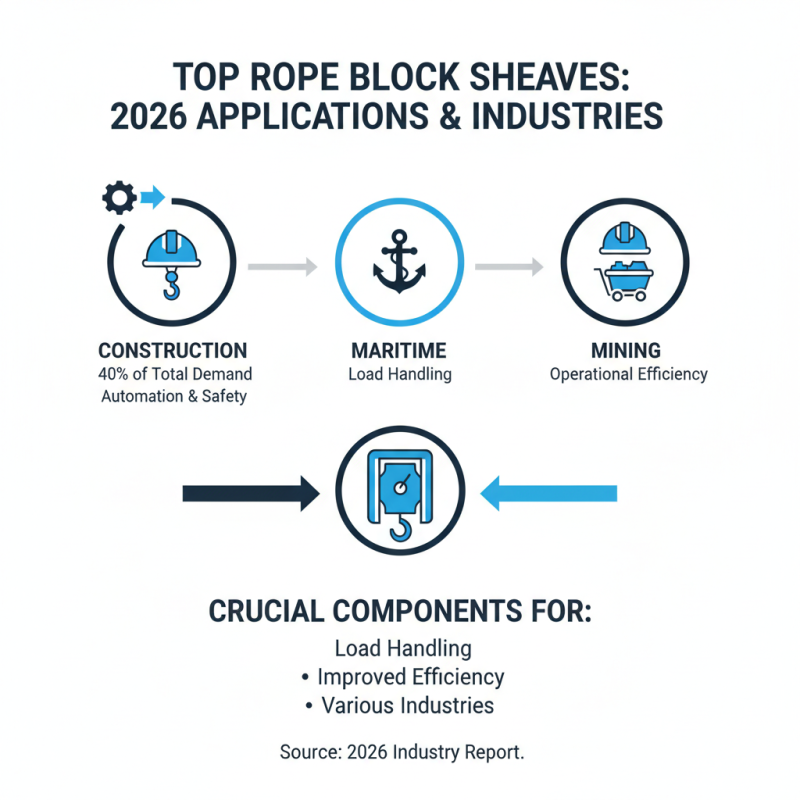
The utilization of top rope block sheaves is spread across various industries in 2026. These components are crucial in sectors like construction, maritime, and mining. Their main function is to facilitate load handling and improve operational efficiency. According to a recent industry report, the construction sector is expected to account for approximately 40% of the total demand for top rope block sheaves. This reflects the sector's ongoing evolution toward automation and safety enhancement.
In maritime applications, top rope block sheaves are vital for load management on vessels. Their ability to reduce friction enhances both safety and productivity. The shipping industry is projected to see a 15% growth in the use of these sheaves. Additionally, mining operations are increasingly adopting advanced hoisting solutions, which directly contributes to a rise in demand for reliable rigging components.
Despite these encouraging trends, challenges persist. Quality issues may arise from improper installation or subpar materials. Industry experts often highlight the need for periodic evaluations to ensure performance standards are met. As technology progresses, fostering an understanding of maintenance and handling remains crucial for maximizing safety and efficiency in operations.
Future Projections and Challenges for the Rope Block Sheave Market
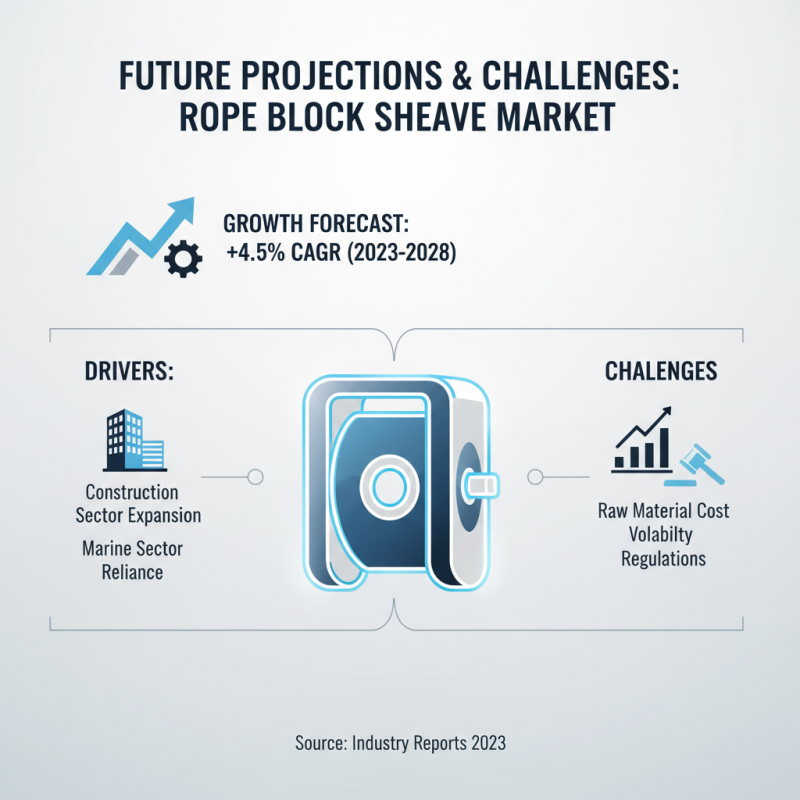
As the demand for efficient lifting solutions grows, the rope block sheave market is set to face significant challenges and opportunities. Industry reports forecast a compound annual growth rate (CAGR) of 4.5% from 2023 to 2028. This growth is driven by expansions in construction and marine sectors, which rely heavily on robust lifting equipment. However, fluctuating raw material costs and stringent regulations may hinder progress.
Manufacturers must adapt to evolving technologies to stay competitive. Innovations in materials, such as lightweight composites, have proven advantageous. Yet, many companies struggle to balance cost with performance. Inefficient supply chains are another hurdle, affecting lead times and production schedules. The industry must reflect on these shortcomings, as they can cripple potential gains in market share.
Sustainability also plays a critical role in shaping future strategies. Eco-friendly practices are increasingly demanded by consumers. Failure to meet these expectations may result in reputational damage and lost sales. Companies need to invest in research and development, focusing on both product efficiency and environmental impact to thrive in this evolving landscape.