Top 5 Best Drilling Mud Pumps for Efficient Oil and Gas Operations?
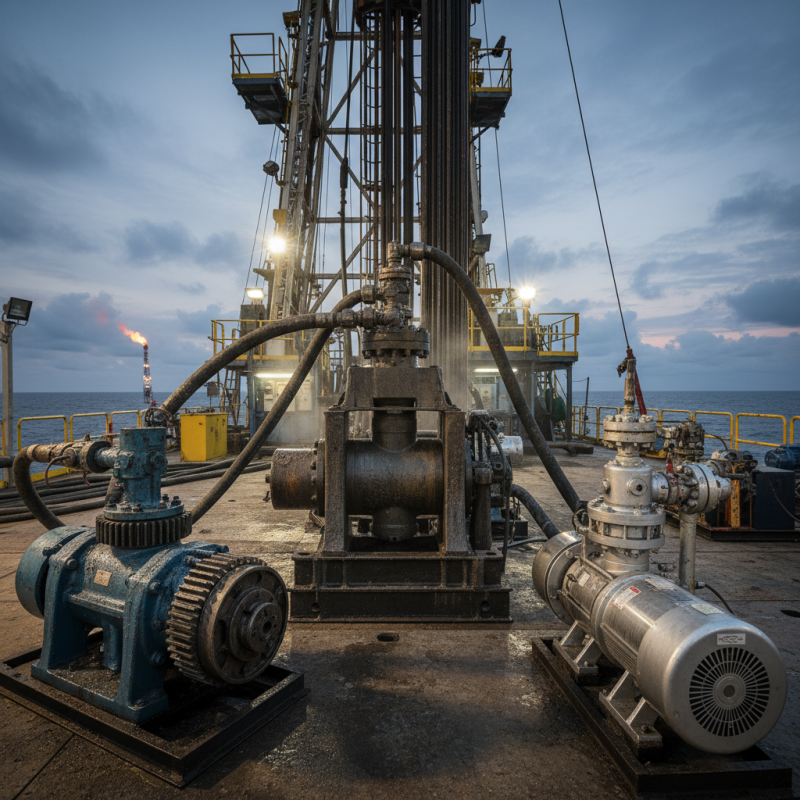
Drilling Mud Pumps are vital in oil and gas operations. They ensure the circulation of drilling fluids. These fluids help cool the drill bit, carry away cuttings, and maintain pressure. Efficient pumps lead to smoother operations and improved safety on-site.
In the competitive energy sector, selecting the right drilling mud pump is crucial. A pump that performs poorly can derail a project. It can lead to cost overruns and delays. Each pump has unique features that cater to different drilling conditions. Knowing these features is essential to making informed choices.
Investing in quality drilling mud pumps can enhance overall productivity. However, not all pumps are created equal. Some may not withstand harsh environments, while others may not provide the desired flow rate. It's important to reflect on these concerns when choosing a pump. Evaluating options carefully can prevent future challenges.
Top 5 Drilling Mud Pumps: Key Features for Oil and Gas Efficiency
When it comes to drilling mud pumps, efficiency is critical in oil and gas operations. These pumps play a vital role in transporting drilling fluids. Proper selection can greatly impact performance and cost-efficiency.
Key features of efficient drilling mud pumps include robust construction and reliable flow rates. Many pumps are designed for high-pressure operations. They must withstand abrasive materials without excessive wear. Some units come equipped with advanced sealing technologies. This minimizes leaks and maintenance needs. Inconsistent pressures can lead to costly downtime. Therefore, a sturdy pump is essential for smooth operations.
Moreover, ease of maintenance remains a crucial factor. A design that allows quick access to components can save valuable time. Some pumps offer modular designs. These enable quick replacements of parts when necessary. However, not all pumps are built to deliver expected results. Choices made can hinge on specific operational needs, making understanding essential. An appropriate balance of performance and longevity is necessary for successful drilling tasks.
Top 5 Best Drilling Mud Pumps for Efficient Oil and Gas Operations
| Model |
Maximum Capacity (gpm) |
Pressure Rating (psi) |
Weight (lbs) |
Key Features |
| Model A |
500 |
1500 |
250 |
High efficiency, compact design |
| Model B |
600 |
1800 |
300 |
Durable construction, high suction |
| Model C |
700 |
2000 |
350 |
Variable speed, easy maintenance |
| Model D |
800 |
2200 |
400 |
Enhanced durability, energy-efficient |
| Model E |
900 |
2500 |
450 |
Advanced control systems, lightweight |
Understanding Drilling Fluid Properties and Their Impact on Pump Selection
When it comes to drilling operations, understanding drilling fluid properties is crucial. The type of drilling fluid used can influence the efficiency of pump selection. Viscosity, density, and chemical composition all play significant roles. A fluid that is too viscous can strain pumps, leading to inefficiencies. Conversely, fluids that are too thin may not provide proper support during the drilling process.
Choosing the right pump requires evaluating these properties. Not all pumps handle varying fluid types well. A mismatch can cause equipment failure. Therefore, it’s vital to conduct a thorough analysis of the fluid characteristics before making a selection.
Tip: Regularly test drilling fluids to monitor their properties. Adjustments may be necessary. Keeping a close eye on viscosity changes can prevent major issues.
Also, consider the pump's compatibility with different fluids over time. Some pumps may wear out quicker with certain chemicals. That can lead to unexpected downtime.
Tip: Invest in training for your team regarding fluid dynamics. Good training enhances decision-making in pump selection. Small changes in understanding can lead to significant savings in operations.
Comparative Analysis of Performance Metrics in Mud Pumps for Drilling
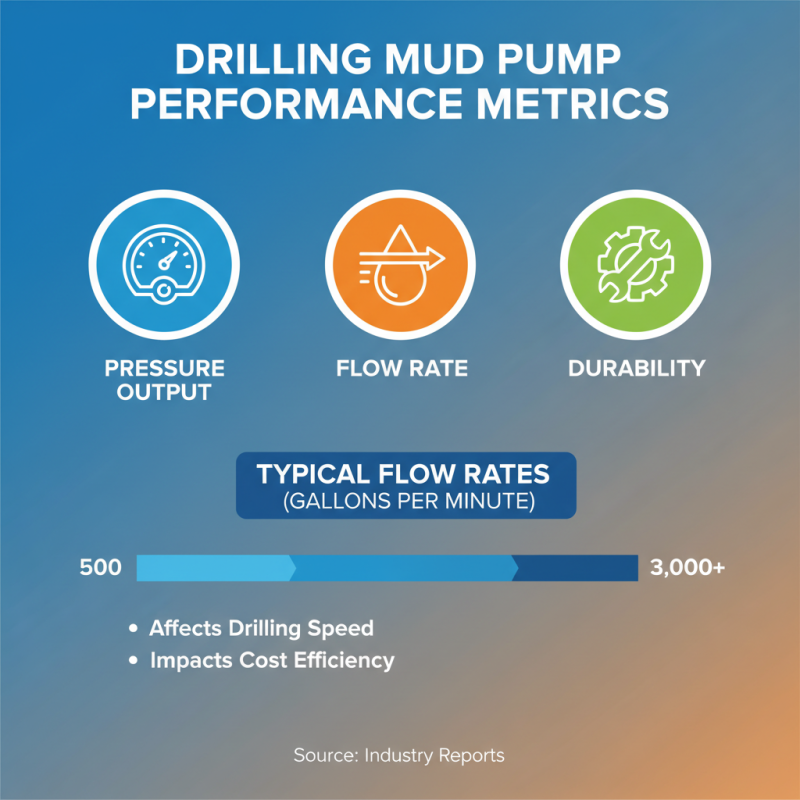
When selecting drilling mud pumps for oil and gas operations, performance metrics are critical. Pressure output, flow rate, and durability contribute significantly to overall efficiency. Reports indicate that typical flow rates range from 500 to over 3,000 gallons per minute. This variation can greatly affect drilling speed and cost.
A comparative analysis of different mud pumps reveals that reliability often falls short of expectations. Many pumps fail under extreme conditions, leading to costly downtimes. Industry studies show that maintenance can account for 20% of operational costs. Operators must consider both initial costs and long-term performance.
Tips: Always prioritize a pump's ability to handle various viscosities. Matching the pump's features with specific drilling conditions can minimize risks. Regular maintenance checks are essential for identifying issues before they escalate. A proactive approach tends to enhance reliability and performance, reducing unexpected failures.
Maintenance and Operational Costs of the Leading Drilling Mud Pumps
When selecting drilling mud pumps, maintenance and operational costs are critical factors. Research indicates that improper maintenance can increase costs by up to 30%. Regular servicing is essential to ensure longevity. A well-maintained pump can last over five years, minimizing replacement costs.
Operational costs are also significant. Efficient pumps can reduce energy consumption by 15% to 25%. However, inefficient pumps often result in higher fuel usage and increased emissions. A study from a leading industry source highlighted that operational inefficiencies could lead to losses exceeding $100,000 annually.
Most operators acknowledge these issues but fail to prioritize maintenance. Neglected pumps develop internal wear, leading to further complications. This reveals a gap in industry practices. Addressing this issue can lead to substantial cost savings and improved environmental performance.
Case Studies: Successful Implementation of Top Mud Pumps in Projects
In the competitive world of oil and gas drilling, selecting the right mud pump is crucial. Case studies have shown that efficient mud pumps can enhance drilling performance. For instance, a project in the North Sea faced significant downtime due to inadequate pumping capacity. After upgrading their mud pump system, they reduced downtime by 30%. This change not only improved efficiency but also maximized output.
Another case involved a land drilling operation in Texas. They struggled with high viscosity mud, which hindered operations. By implementing a top-tier mud pump, they could manage the thicker mud more effectively. The results were notable; their drilling speed increased by 25%. However, the project team needed time to adapt to the new pump's operational nuances. Such learning curves highlight the need for proper training and integration.
In one more instance, a drilling site encountered issues with wear and tear on their pumps. This led to frequent maintenance interruptions. By optimizing their choice of mud pumps, they extended maintenance intervals. Yet, not all transitions were smooth. Some team members still preferred older models due to familiarity. It’s a reminder that progress, while beneficial, can present challenges that require ongoing adjustment.