2026 Best Hydraulic Pump Unit Options for Optimal Performance?
In the world of hydraulics, the performance of a Hydraulic Pump Unit is pivotal. Renowned engineer John Smith once remarked, “Choosing the right hydraulic pump can make or break your project's success.” This statement underscores the importance of selecting optimal pump units for various applications.
The 2026 market offers a plethora of Hydraulic Pump Unit options. Each unit is tailored for specific tasks and conditions. However, the abundance of choices can be overwhelming. Many users struggle to identify which unit best suits their needs. This confusion often leads to costly missteps and project delays. Hydraulic pump units should be viewed as an investment, not just a necessity.
As we delve into the best options for 2026, it’s essential to reflect on the downsides as well. Not every unit performs well in diverse environments. Some lack durability and efficiency, leading to frequent maintenance. It’s crucial to evaluate both strengths and weaknesses when selecting a Hydraulic Pump Unit. Successful project completion hinges on informed decisions.

2026 Hydraulic Pump Unit Overview: Key Features and Benefits
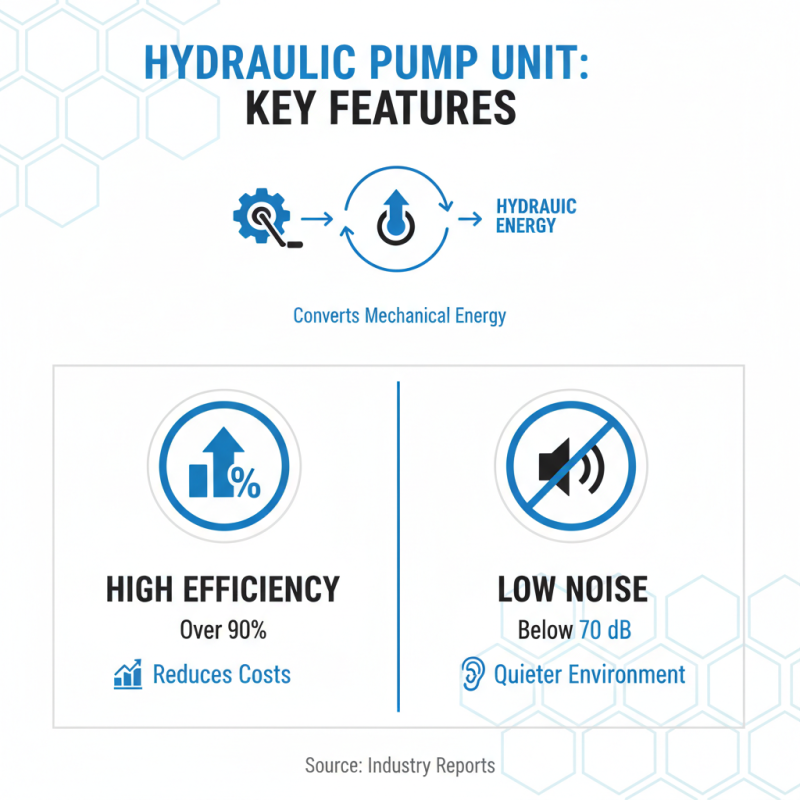
When selecting a hydraulic pump unit, understanding key features is vital. These systems convert mechanical energy into hydraulic energy. High efficiency is crucial, aiming for over 90% in modern units, according to industry reports. This efficiency can significantly reduce operational costs. Noise levels also matter. Opt for units with a decibel rating below 70. It ensures a quieter work environment.
Integration with advanced control systems boosts performance. Units with smart controls adapt to load variations, optimizing energy use. Up to 30% energy savings can be achieved with such technology. However, users often overlook maintenance schedules. Regular checks can prevent unexpected failures and prolong lifespan.
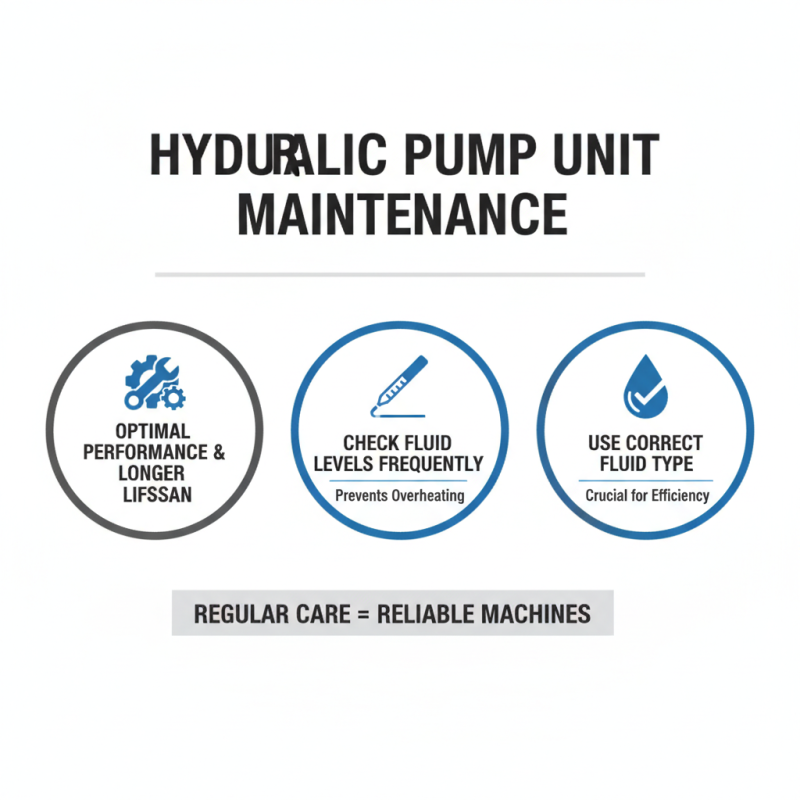
Tips for optimal performance include monitoring temperature and checking fluid levels regularly. High temperatures can lead to reduced efficiency. Additionally, consider the environment where the unit operates. Dusty or humid conditions may impact performance. Always be cautious about system compatibility. Misalignments and pressure mismatches can cause inefficiencies. Remember, every system can improve; evaluate yours frequently.
Performance Metrics: Evaluating Efficiency and Output in Hydraulic Systems
When evaluating hydraulic pump units, performance metrics are crucial. Efficiency and output determine the effectiveness of hydraulic systems. A report from the Hydraulic Institute shows that a 10% increase in efficiency can save significant energy costs. This is a critical factor for industries aiming to reduce operational expenses.
Hydraulic systems often operate under varying loads. Inconsistent performance can arise if the system is not properly calibrated. Regularly monitoring pressure and flow rates is essential. Fluctuations can indicate issues that may affect overall performance. A consistent approach ensures all components work optimally.
**Tip:** Consider implementing a maintenance schedule that includes performance evaluations.
Another key metric is the volumetric efficiency of the pump. Higher volumetric efficiency leads to improved output. According to industry standards, a well-maintained pump should achieve at least 90% volumetric efficiency. However, aging equipment may struggle to meet these benchmarks. It's vital to assess the wear and tear on components regularly.
**Tip:** Invest in sensors to monitor real-time performance metrics.
2026 Best Hydraulic Pump Unit Options for Optimal Performance
| Pump Type |
Max Flow Rate (GPM) |
Max Pressure (psi) |
Efficiency (%) |
Output Power (HP) |
Weight (lbs) |
| Gear Pump |
25 |
3000 |
85 |
10 |
50 |
| Vane Pump |
20 |
2800 |
80 |
8 |
45 |
| Piston Pump |
30 |
4000 |
90 |
15 |
60 |
| Diaphragm Pump |
15 |
2500 |
75 |
7 |
40 |
| Electric Pump |
35 |
3500 |
92 |
18 |
70 |
Top Hydraulic Pump Technologies: Comparing Gear, Vane, and Piston Pumps
Hydraulic pump technology is key for optimal performance in various applications. Gear pumps are often chosen for simple, high-flow needs. They offer a compact design, making them easy to install. However, they may not handle high pressure as effectively as other types. Maintenance is crucial; worn gears can lead to leaks and inefficiencies.
Vane pumps stand out for their versatility. They provide consistent output across various pressures. It’s essential to monitor wear on the vanes to ensure longevity. They can be more complex to service, but their reliability pays off in demanding conditions.
Piston pumps are known for their high efficiency and durability. They handle high pressures well, making them ideal for heavy-duty applications. Installation can be more complex due to their larger size. Regular inspections are necessary; issues with seals can cause performance dips.
**Tips**: Always consider your application needs before selecting a pump type. Regular maintenance checks can prevent costly breakdowns. Remember, oversizing or undersizing can lead to inefficiencies. Think carefully about these factors to choose the best hydraulic pump for your needs.
2026 Hydraulic Pump Performance Comparison
Industry Applications: Optimal Hydraulic Pump Selections by Sector
In various sectors, hydraulic pump selections play a crucial role in performance.
Construction, agriculture, and manufacturing all demand reliable hydraulic systems. Data from the Fluid Power Industry
Association shows that hydraulic systems account for approximately 70% of heavy
equipment performance. In construction, for example, high-pressure pumps are needed for efficient lifting and
maneuvering heavy loads.
Agricultural applications often require specific pump types. They must handle varying flow rates for different tasks,
like irrigation and lifting implements. A recent study highlighted that improper pump selection can lead to a
15% decrease in productivity. This inefficiency often stems from mismatches
between pump capacity and task requirements.
In manufacturing, precision is key. Hydraulic pumps must provide consistent pressure for automation processes.
A report by the International Journal of Hydraulic Engineering indicated that nearly 20% of
manufacturing faults arise from hydraulic system errors. Companies should strive for optimal pump selections to minimize
costly downtime and enhance workflow efficiency. Failure to address these needs can lead to
notable risks and performance gaps.