2026 Best Oil Drilling Equipment for Efficient Resource Extraction?
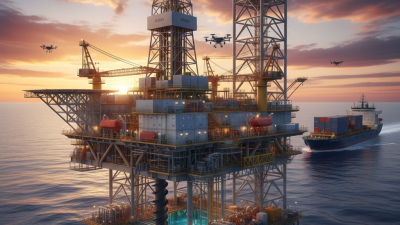
In the evolving landscape of energy resource extraction, the demand for advanced Oil Drilling Equipment is paramount. According to Dr. Emily Carter, a leading expert in petroleum engineering, "Innovative drilling technologies are crucial for maximizing efficiency and minimizing environmental impact." As we approach 2026, advancements in drilling machinery will play a critical role in the oil and gas industry.
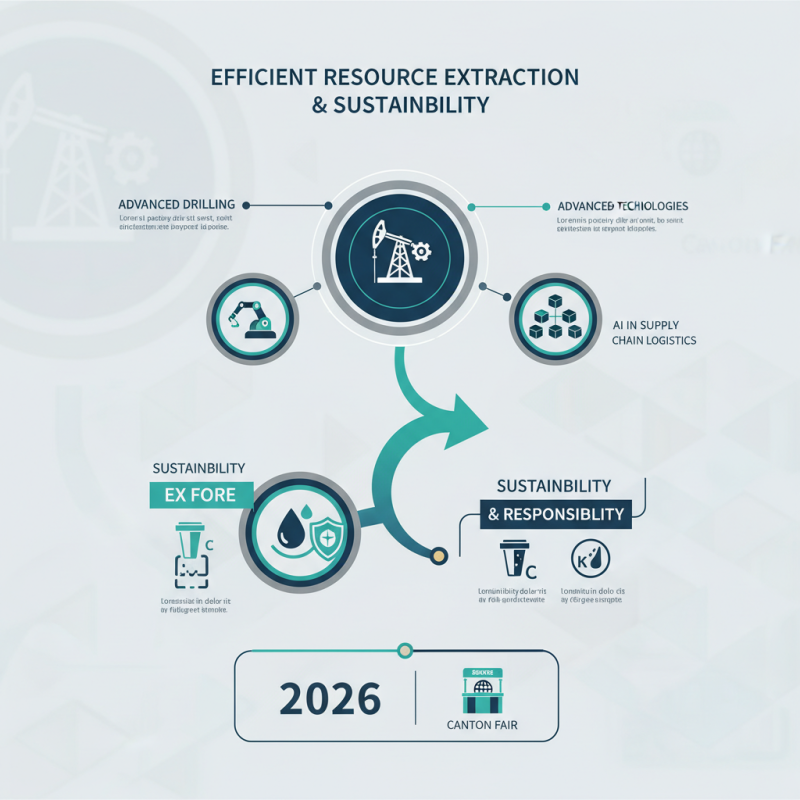
Trade shows, like the upcoming 2026 Canton Fair, will be pivotal in showcasing groundbreaking innovations. These exhibitions will feature sophisticated equipment designed to improve resource extraction. The integration of AI in supply chain logistics will further enhance procurement efficiency. However, companies must remain vigilant about sustainability.
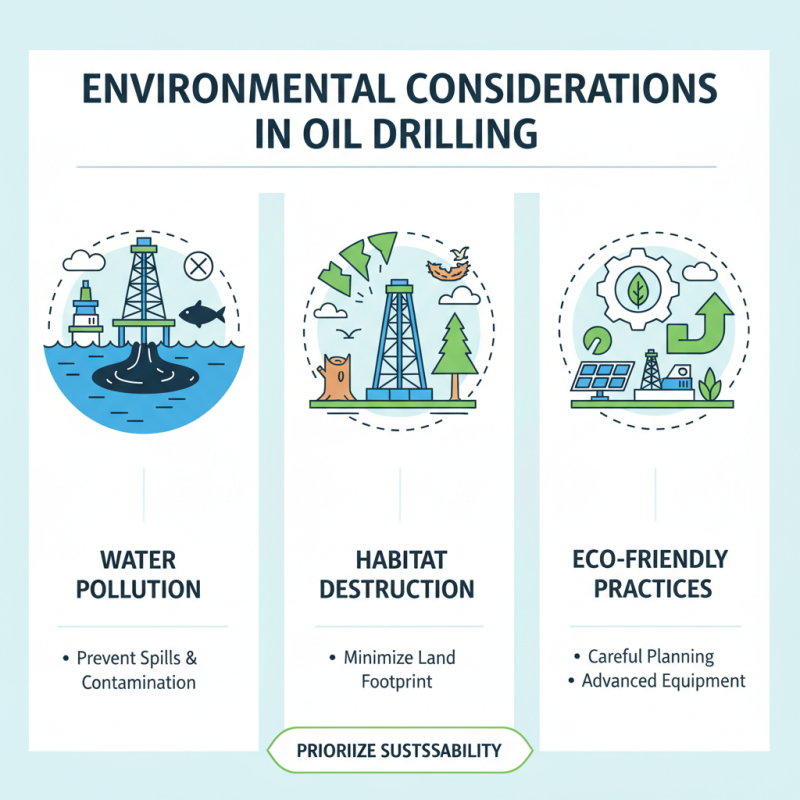
The reality is that not all current technologies meet the necessary environmental standards. We must critically assess which Oil Drilling Equipment truly contributes to safer practices. As we look forward, embracing both innovation and responsibility should guide the sector's future developments. Balancing efficiency and environmental stewardship is a challenge we cannot overlook.
Current Trends in Oil Drilling Equipment for 2026
As we move toward 2026, the oil drilling industry is evolving rapidly. In recent years, advancements in technology have significantly shaped the landscape of oil drilling equipment. According to industry reports, the global oil drilling equipment market is projected to reach $92.36 billion by 2026, driven mainly by the demand for efficient extraction methods.
Current trends highlight a shift towards automation and digitalization. Equipment now integrates sensors and AI systems for real-time data analysis. This allows for improved decision-making and operational efficiency. However, there are challenges. Not all companies have adopted these innovations. Some still rely on outdated practices. This gap may hinder competitiveness in a market that values speed and efficiency.
Sustainability has also become a critical focus. The introduction of eco-friendly drilling techniques is gaining traction. Reports indicate that 45% of drilling companies are investing in green technologies. But, the transition is slow due to high initial costs. Additionally, not all areas are suitable for these new methods. There remains a pressing need to balance innovation with environmental responsibility.
2026 Best Oil Drilling Equipment for Efficient Resource Extraction
Key Technologies Enhancing Oil Drilling Efficiency
In recent years, the oil drilling industry has witnessed significant advancements in technology. Innovative tools are making resource extraction more efficient. For instance, automated drilling systems are enhancing precision. These systems reduce human error and increase productivity on drilling sites. Furthermore, real-time data analytics allows operators to monitor drilling conditions closely. This data-driven approach helps in making quick adjustments to the drilling process.
An essential aspect of modern drilling technology is the use of advanced materials. For example, drill bits made with new composites can withstand extreme temperatures and pressures. They are designed to last longer, but effectiveness can vary depending on the geology. Operators must continuously assess the performance of these bits. It's crucial to remain adaptable to changing conditions underground.
Despite incredible advancements, challenges do persist. The complexity of certain drilling environments can still lead to equipment failures. Additionally, the environmental impact of drilling is an ongoing concern. Companies need to balance efficiency with responsibility. Reflecting on these issues is essential for the industry's future. The journey of improving oil drilling technology is ongoing and requires a commitment to innovation and sustainability.
2026 Best Oil Drilling Equipment for Efficient Resource Extraction
| Equipment Type |
Key Technology |
Efficiency Gains (%) |
Used For |
| Rotary Drills |
Continuous Circulation |
15 |
Deep Well Drilling |
| Directional Drills |
GPS Technology |
20 |
Complex Reservoirs |
| Hydraulic Pumps |
High-Pressure Systems |
25 |
Fluid Extraction |
| Mud Circulation Systems |
Automated Control |
30 |
Drilling Mud Management |
| Drilling Software |
Data Analytics |
35 |
Predictive Maintenance |
Comparative Analysis of Top Oil Drilling Equipment Brands
When evaluating oil drilling equipment, various brands offer unique features. These tools significantly influence the efficiency of resource extraction. Some equipment styles excel in depth capabilities, while others stand out for speed and mobility. An informed choice can reduce costs and enhance performance.
Durability is another crucial aspect to consider. Not every brand guarantees a long lifespan. Some might require frequent repairs or replacements. This factor can lead to unexpected expenses, affecting overall project budgets. Efficiency should not just be about speed; it needs a balance with reliability.
Evaluating user feedback reveals that innovation plays a vital role in equipment selection. Some brands consistently update their models with the latest technology. Meanwhile, others lag, sticking with outdated features. This choice impacts both productivity and safety. It’s essential to consider these differences during the selection process.
Making a choice involves weighing various aspects, often requiring trial and error.
Cost-Benefit Analysis of Advanced Drilling Techniques
As the demand for oil grows, advanced drilling techniques become essential. These methods promise higher efficiency and better resource extraction. However, the cost associated with them raises concerns. Operators must weigh the investment against potential returns.
Modern drilling technologies often require significant upfront capital. This can strain budgets, especially for smaller companies. The promise of a higher yield might not always materialize. Many projects face delays and unexpected costs. A thorough cost-benefit analysis is crucial to avoid pitfalls.
Moreover, the environmental impact cannot be overlooked. Striking a balance between efficiency and sustainability is challenging. Advanced methods can reduce waste but may also introduce new risks. Operators need to evaluate whether the long-term benefits justify short-term expenses. It’s not just about extracting resources; it’s about doing it wisely.