2026 Best Oilfield Mud Pump Options for Global Buyers?
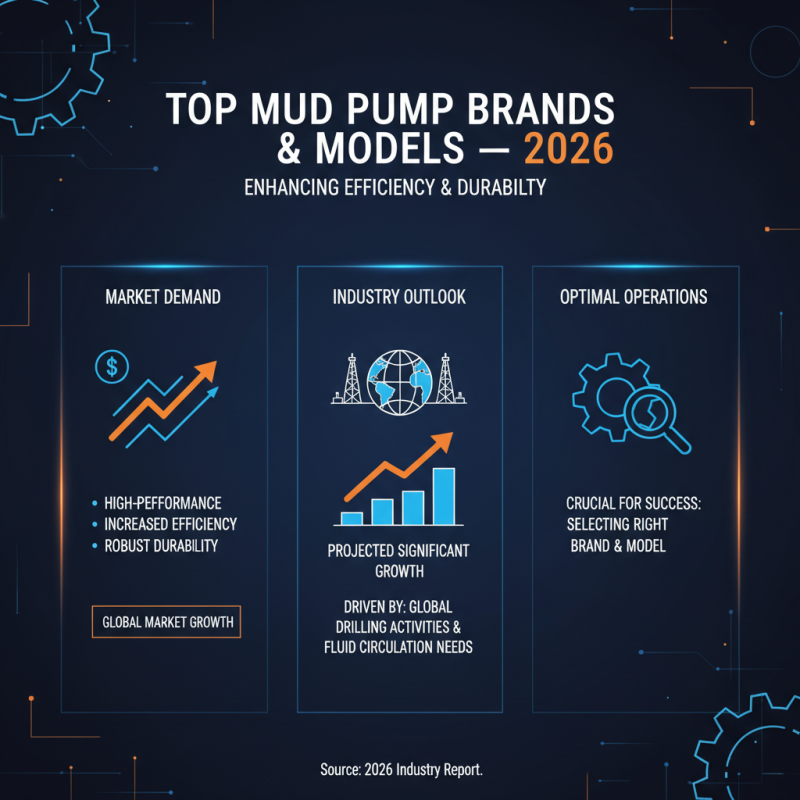
Choosing the right Oilfield Mud Pump is crucial for successful drilling operations. This decision impacts efficiency and cost. As global buyers explore options in 2026, several factors must be considered.
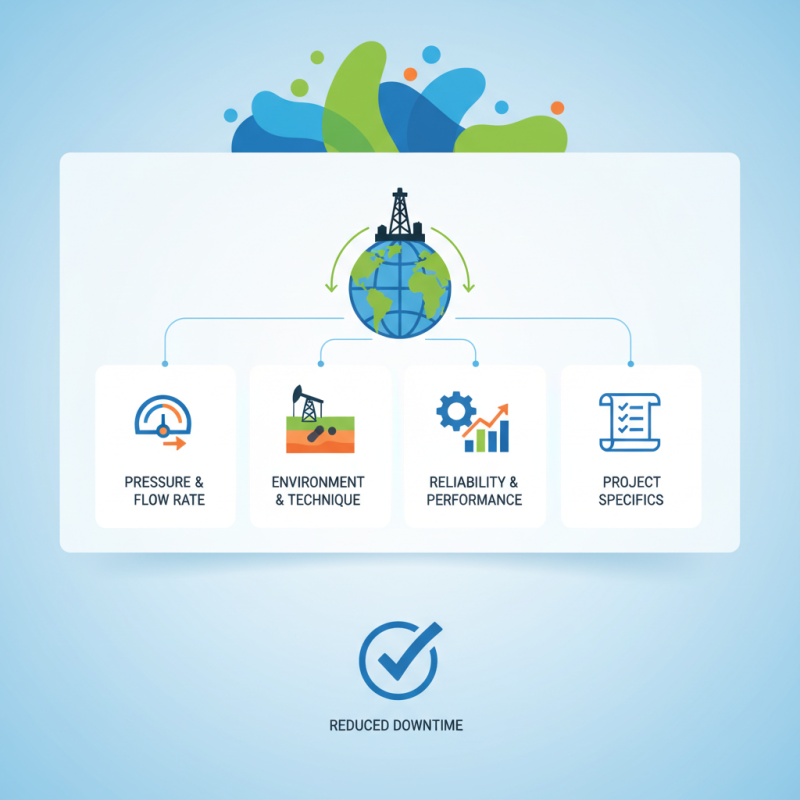
Each pump serves a unique purpose. Different environments and drilling techniques require tailored solutions. Understanding pressure capacity and flow rate is vital. Buyers should also reflect on their project specifics to avoid common pitfalls.
Research shows that not all pumps perform equally. Reliability varies widely among brands. Buyers need to focus on proven performance and expert recommendations. The right choice can lead to improved performance and reduced downtime. This guide aims to assist buyers in navigating the complexities of Oilfield Mud Pump selection.
Overview of Oilfield Mud Pumps and Their Importance
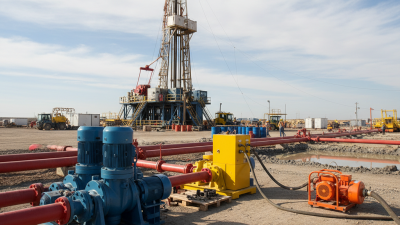
Oilfield mud pumps play a crucial role in the drilling process. They circulate drilling fluids, which help cool the drill bit and remove cuttings. These pumps ensure that the drilling operation runs smoothly and efficiently. Without them, drilling would be far less effective and potentially dangerous.
The importance of mud pumps cannot be overstated. They maintain the right pressure and flow of the drilling mud. Proper flow prevents formation collapse and tackles issues like wellbore stability. A poorly functioning pump can lead to drilling delays and additional costs, impacting project timelines.
Many users face challenges when selecting the right mud pump. Common issues include understanding specifications and matching equipment to specific drilling needs. Buyers should consider features like flow rate, performance, and durability. The landscape of oilfield operations is complex, and making the right choice can be daunting. It's essential to factor in all variables to avoid costly mistakes.
2026 Best Oilfield Mud Pump Options for Global Buyers
This chart displays the performance in horsepower (HP) of the top five oilfield mud pump options available for global buyers in 2026. Each pump is evaluated based on its efficiency and suitability for various drilling operations.
Key Factors to Consider When Choosing a Mud Pump
Choosing the right mud pump for oilfield operations is crucial. With many options available, understanding key factors can make a significant difference. Key elements to consider include pump type, capacity, and maintenance requirements.
Pump type is essential as it affects performance. Positive displacement pumps are common for high viscosity fluids. Centrifugal pumps are typically used for lower viscosity. Knowing the specific fluid you'll be working with is vital. Capacity should align with your drilling operation's needs. A mismatch can lead to inefficiency and costly downtime.
Tips: Consider assessing your operational environment. Harsh conditions might require more robust systems. Regular maintenance is non-negotiable. A well-maintained pump reduces failure risks and extends the pump's lifespan.
According to industry reports, improper pump selection can lead to productivity declines of up to 25%. Investing time in research can yield better long-term results. Remember, not all mud pumps are created equal. Assessing each option’s features and compatibility is essential for optimal performance.
Comparison of Mud Pump Features and Specifications
When selecting the best mud pump options for oilfields, understanding features and specifications is crucial. Key factors include pump type, horsepower, and fluid capacity. Different pumps are designed for varying depths and fluid viscosities. For example, positive displacement pumps work well under high pressure. In contrast, centrifugal pumps are efficient at moving large volumes.
Another important aspect is maintenance. Regular checks on seals, bearings, and motor systems are essential for optimal performance. Failure to maintain pumps can lead to costly downtimes. Additionally, understanding the pump’s efficiency ratings helps buyers choose models that deliver the best results for their specific operations.
Buyers should also consider the pump's weight and size, especially for transportation. Compact models can be advantageous for remote locations. However, larger pumps may offer greater power. Each option has trade-offs, making careful comparison vital. This complexity can sometimes be overwhelming, yet informed decisions significantly enhance operational reliability. Understanding these nuances will guide buyers in selecting the most suitable mud pumps for their needs.
Global Market Trends for Oilfield Mud Pumps in 2026
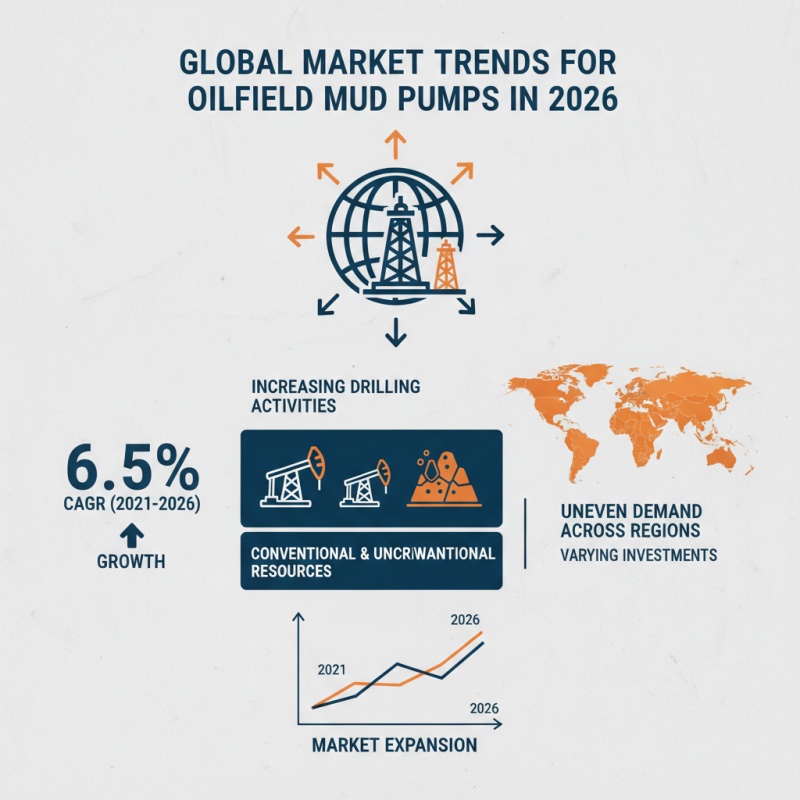
As we look toward the global market for oilfield mud pumps in 2026, there are noticeable trends that will shape the industry. From 2021 to 2026, the market is projected to grow at a compound annual growth rate (CAGR) of about 6.5%. Such growth reflects increasing drilling activities in both conventional and unconventional resources. However, industry experts highlight uneven demand across regions due to varying investments in oil exploration.
The advent of smart technology is changing the game. Many end-users are now seeking advanced mud pumps equipped with IoT capabilities. This technology allows for real-time monitoring and predictive maintenance. Data from recent reports indicate that around 30% of buyers value energy efficiency as a key factor in their purchasing decisions. While the market adapts to these innovations, some challenges remain. Adaptability to new technologies can be slow, and not every region has equal access to these advancements.
Moreover, sustainability is gaining momentum. Increasing regulations on environmental impact will push manufacturers to innovate. A focus on eco-friendly materials and efficiency can lead to better compliance. However, some companies may struggle to balance cost and sustainability goals, leading to a potential gap in the market. Addressing these issues will be crucial for stakeholders aiming to thrive in the evolving oilfield mud pump landscape.