Best Well Drilling Machine for Your Needs in 2026?
In the rapidly evolving world of well drilling, finding the right well drilling machine is crucial for efficiency and effectiveness. Industry expert Dr. Emily Harrison states, “Selecting the right well drilling machine can make or break your project.” Her insight underscores the importance of choosing a machine suited to specific needs.
As we look toward 2026, various factors influence the selection of well drilling machines. Technological advancements, user-friendly features, and fuel efficiency are just a few elements to consider. Machines available today offer capabilities that were unimaginable a few years ago. However, not all options will meet every user's requirements. Reflecting on this, one must evaluate their actual needs versus the latest trends in well drilling.
While many machines boast powerful specifications, users often find themselves overwhelmed by choices. It's essential to prioritize reliability and ease of use in the decision-making process. A well drilling machine should not only perform well but also adapt to changing conditions. Being mindful of these aspects will lead to better outcomes in upcoming projects.
Best Well Drilling Machines: Overview of 2026 Trends and Technologies
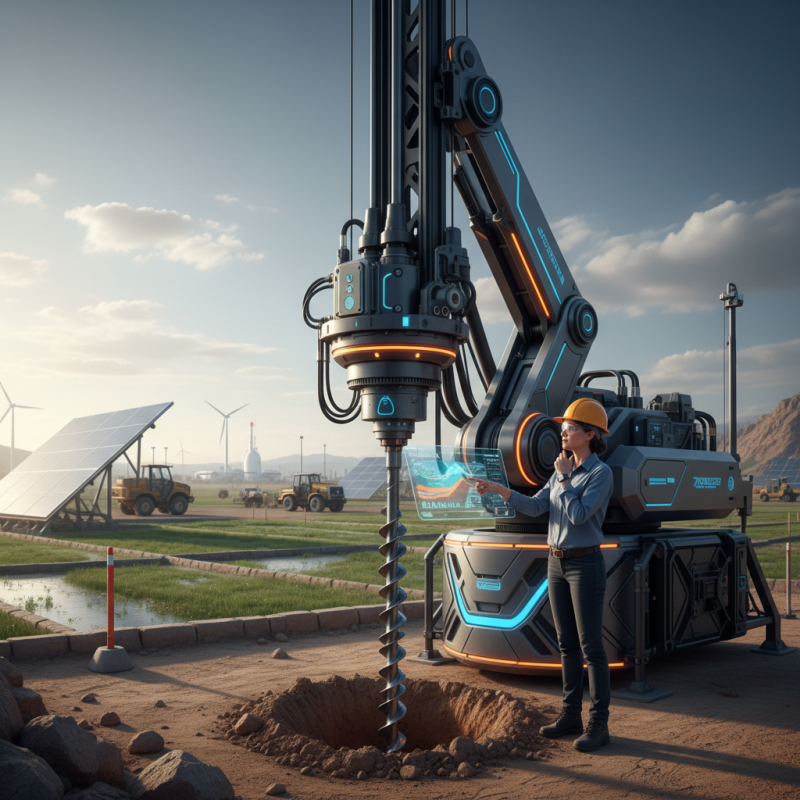
As we approach 2026, the landscape of well drilling is evolving. New technologies are emerging that enhance efficiency and reduce environmental impact. Innovations, such as advanced hydraulic systems, allow for greater precision when drilling. These systems also minimize energy usage, which is a significant concern for many operators.
Another noticeable trend is the integration of automation in drilling equipment. Automated systems streamline the drilling process, offering real-time data analysis. This technology can predict issues before they arise, allowing for preventative measures. However, the reliance on automation raises questions about job security for skilled workers. Balancing technology and human expertise will be crucial.
Portability is also a key factor in choosing well drilling machines. Compact designs that are easy to transport are gaining popularity. These machines can quickly adapt to various terrains, making them ideal for remote locations. Yet, the challenge remains: how to ensure durability without compromising on size. The quest for the perfect well drilling solution continues, with both promise and uncertainty ahead.
Well Drilling Machines Trend Analysis 2026
This chart illustrates the market share distribution of various well drilling machine types projected for 2026. Mechanical and hydraulic machines represent the largest segments, showcasing the industry's ongoing preference for advanced drilling technologies.
Key Specifications to Consider When Choosing a Well Drilling Machine
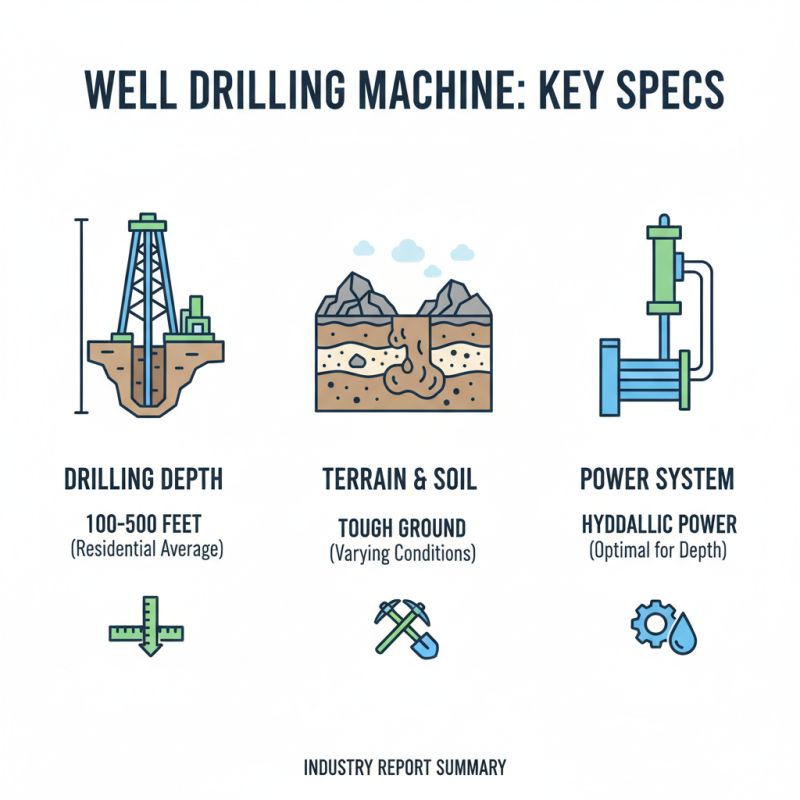
When selecting a well drilling machine, key specifications play a vital role. A recent industry report highlights that the average depth for residential wells is between 100 to 500 feet. This depth requires machines capable of handling tough terrain and varying soil conditions. Hydraulic systems often provide the best drilling power for these ranges.
Weight and portability impact usability too. Lightweight models can simplify transportation, enabling quick deployment at different sites. According to industry insights, a machine's weight should not exceed 3,000 lbs for practical mobility. Additionally, ease of setup significantly affects project timelines. Complex configurations can lead to delays, which isn't ideal for tight schedules.
Cost also matters. Many affordable machines may lack durability, leading to higher long-term expenses. A thorough evaluation reveals that investing upfront in reliable machinery can save money on repairs and downtime. Thus, ensuring all specifications align with specific drilling needs is essential for operational efficiency. The ability to adapt to various conditions cannot be overlooked.
Top Brands in Well Drilling: Market Share and Innovations in 2026
In 2026, the well drilling market is evolving rapidly. Innovative technologies are emerging. New machines are designed for efficiency and sustainability. Many companies aim to reduce environmental impact. This shift is crucial as water scarcity becomes a pressing issue.
Market share is shifting among top players. Smaller companies are making strides with affordable solutions. They prioritize accessibility for small-scale farmers and communities. Traditional giants are focusing on automation. This can reduce labor costs but may also raise questions about job security.
Investors are paying attention to these trends. They seek out brands with strong commitments to sustainability. However, not all innovations are effective. Some new technologies face critiques during real-world application. There is always room for improvement. Customers must weigh options carefully before making decisions.
Cost Analysis: Investment vs. Long-term Value of Well Drilling Machines
Choosing a well drilling machine can be daunting. The cost is a major factor. Equipment costs money upfront but it can save you more over time. When evaluating options, consider both the initial investment and long-term value. A cheaper machine may lead to frequent repairs, causing higher costs in the long run.
Consider the quality of drilling. A more durable machine can operate efficiently for years. This means fewer interruptions and more successful drilling projects. Investing in a robust model may seem expensive now, yet it often pays off later.
Tip: Before purchasing, calculate potential maintenance costs. Sometimes, what looks like a deal may end up costing more.
Examine features closely. Look for machines that offer versatility. They should adapt to various soil conditions and depths. A single-purpose machine can be limiting and costly.
Tip: Research user reviews and experiences. Real-world insights reveal what works well and what doesn’t.
By understanding these factors, you can make a better-informed decision. Balancing cost and functionality is key to maximizing your investment in well drilling equipment.
Sustainability in Well Drilling: Eco-friendly Technologies for 2026
As we approach 2026, the importance of sustainability in well drilling becomes clear. Traditional methods often harm the environment. New technologies focus on minimizing this impact. For example, solar-powered drilling rigs are on the rise. They require less fuel and generate clean energy, which is a significant step forward.
Another innovation involves using biodegradable drilling fluids. These fluids break down in nature, reducing pollution. However, challenges remain. Not all areas can easily adopt these eco-friendly methods. The initial costs can be high, discouraging some drillers. Furthermore, not every region has access to the latest technologies.
Despite these obstacles, the potential for greener practices is promising. Training and awareness are crucial for widespread change. The industry needs to collaborate more. Sharing knowledge can lead to innovative solutions. Ultimately, aiming for sustainability in well drilling is a journey, not a destination.
Best Well Drilling Machine for Your Needs in 2026
| Model |
Type |
Drilling Depth (ft) |
Power Source |
Eco-friendly Feature |
| Hydro Drill 6000 |
Rotary |
1500 |
Electric |
Solar-powered assist |
| EcoClear Drill X20 |
Auger |
1200 |
Hybrid |
Biodegradable drilling fluid |
| GreenTech D500 |
Percussion |
2000 |
Battery |
Zero emissions |
| SmartWells 300 |
Direct push |
800 |
Wind |
Recyclable materials |