China Best Well Drilling Equipment Options for Efficient Water Extraction?
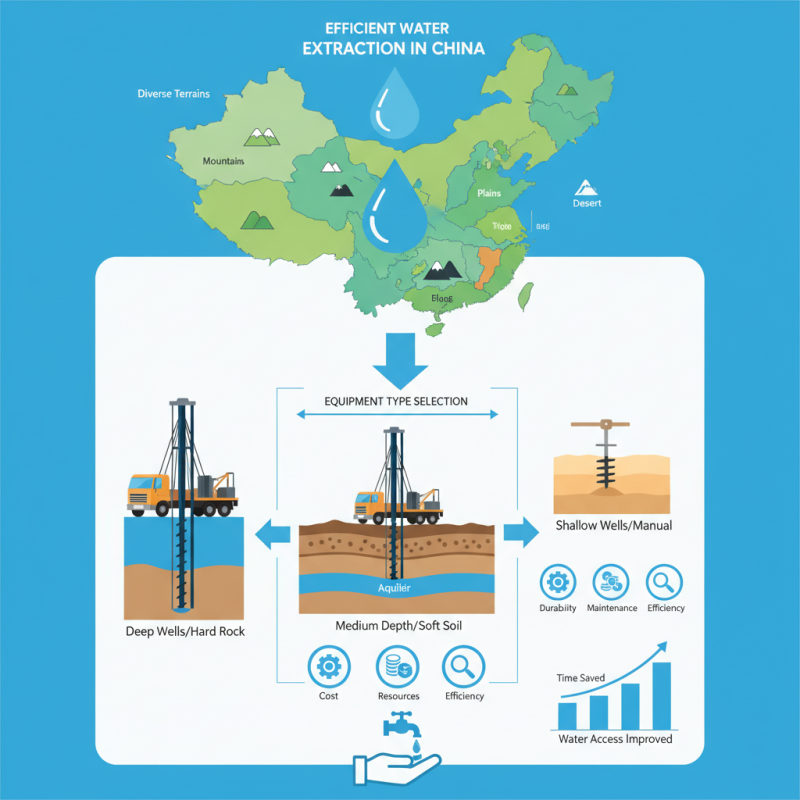
When it comes to water extraction, choosing the right Well Drilling Equipment is critical. In China, options abound, presenting a challenge for many. As noted by industry expert Dr. Zhang Wei, “The right equipment can save time and resources, making a huge difference in water access.” With varying terrain and water availability, selecting efficient equipment requires expertise.
Water scarcity remains a pressing issue in many regions. Quality well drilling equipment aids in accessing underground water sources effectively. The landscape often influences the type of equipment needed. Different soil types and depths necessitate diverse drilling techniques. Many users face difficulty in navigating these complexities. Thus, professional advice can significantly improve outcomes.
Understanding the various types of well drilling rigs is crucial. Factors such as cost, durability, and maintenance must also be considered. Some equipment may appear effective but lead to inefficiencies in certain conditions. Researching product reviews and seeking referrals can help users make informed decisions. The investment in proper Well Drilling Equipment pays off in the long run, enhancing water extraction efforts.
China's Leading Technologies in Well Drilling Equipment
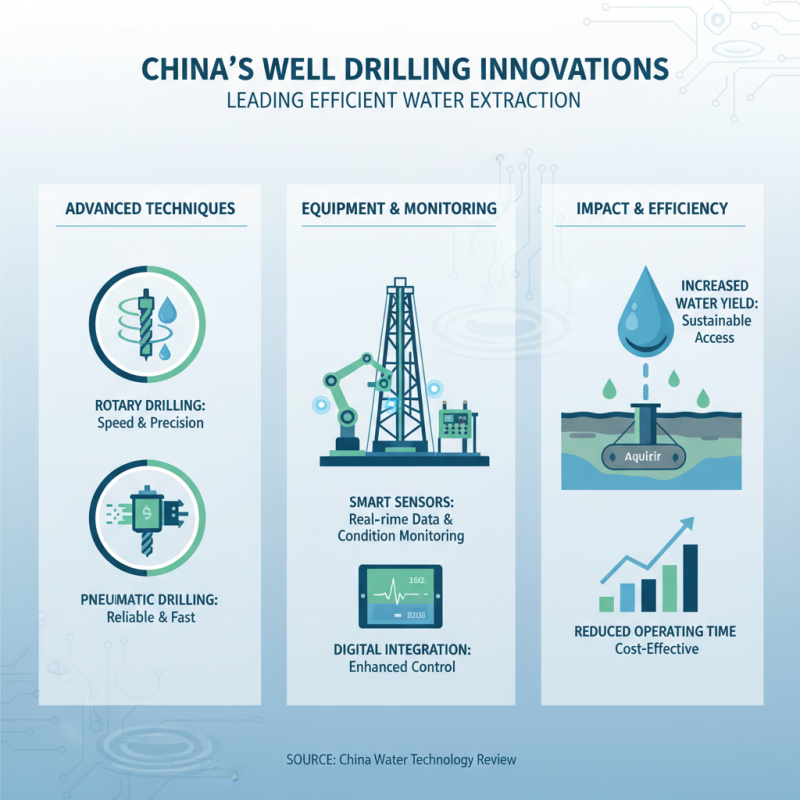
China has emerged as a leader in well drilling technology, focusing on efficient water extraction methods. The advancements in well drilling equipment are impressive. Techniques such as rotary drilling and pneumatic drilling have enhanced the speed and reliability of water extraction. Modern machines equipped with advanced sensors provide better monitoring of drilling conditions.
Investing in training for operators is crucial. Skilled personnel ensure the equipment is used effectively and safely. However, there are gaps in training programs. Some operators lack hands-on experience. This can lead to inefficiencies during drilling operations. Additionally, it's vital to integrate renewable energy sources into drilling processes. This can reduce the reliance on fossil fuels and minimize environmental impact.
While China's well drilling technology continues to evolve, challenges remain. Ensuring quality control in manufacturing is an ongoing concern. Increased oversight could enhance the reliability of equipment. Furthermore, collaboration with international experts could introduce new techniques. By addressing these areas, China can solidify its position as a global leader in well drilling technology.
Key Factors Influencing Water Extraction Efficiency
Water extraction efficiency hinges on several key factors, making the selection of well drilling equipment crucial. The soil type plays a significant role, as different materials require tailored drilling techniques.
Sandy and clayey soils behave differently, impacting how easily water can be accessed. Using inappropriate methods can lead to complications, such as well collapse. Therefore, understanding the geological compositions can enhance efficiency.
Moreover, the drilling method significantly influences the outcome. Rotary drilling, for instance, is effective in various terrains but may be less efficient in rocky areas. Conversely, percussion drilling excels in hard ground but can lead to structural challenges.
Operators must evaluate their environment and choose the appropriate technique. Adjusting drilling parameters, such as speed and pressure, can enhance water yield significantly.
Additionally, the maintenance of drilling equipment cannot be overlooked. Regular checks and balances ensure machinery operates at peak performance. Neglecting maintenance can lead to breakdowns, resulting in time and resource losses.
Therefore, investing time in training operators about equipment care is essential. This attention to detail can be the difference between a successful water extraction project and one that falls short.
Comparative Analysis of Well Drilling Methods in China
China's well drilling methods vary significantly based on technology and local needs. Traditional methods, often manual, employ simple tools. These methods are cost-effective but labor-intensive. In contrast, modern techniques utilize advanced machinery, which improves efficiency but requires significant investment.
Rotary drilling is popular in urban areas due to its speed and effectiveness. This method allows for deeper wells and better water yield. However, the sophistication of equipment means that maintenance can be complicated. Local expertise often determines the success of these operations, reflecting the importance of trained personnel.
Cable tool drilling is still relevant, especially in rural regions. It is less expensive but can yield less water. This method requires good physical conditions and is slower. The choice between efficiency and cost often leads to discussions among local experts. Each method has its strengths and weaknesses, which require careful consideration for optimal water extraction.
Future Trends in Water Extraction Technologies in China
The landscape of water extraction technologies in China is rapidly evolving. A recent industry report indicates a projected growth rate of 15% per year for the water drilling equipment market until 2025. This surge is driven by the increasing demand for efficient extraction methods. With a growing population and climate concerns, effective water sourcing has never been more critical.
Innovative drilling techniques are emerging. For instance, advanced rotary drilling is becoming popular due to its efficiency. It reduces the energy needed for deeper extraction and enhances water flow rates. Reports highlight that utilizing such techniques can increase output by up to 30%. However, high initial costs pose challenges for smaller operators. This disparity may hinder equitable access to modern water technologies.
Sustainable practices are also gaining traction. A 2023 study found that up to 40% of water extracted in rural areas is wasted due to inefficient equipment. This calls for a focus on improving water management systems. Enhancing education for operators on best practices could lead to a significant reduction in waste. The future of water extraction in China hinges on balancing technology and sustainability while addressing these crucial challenges.
Water Extraction Technologies in China