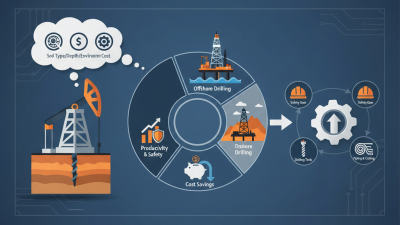
China Top Oil Drilling Equipment Innovations and Trends in the Industry?
The oil drilling equipment industry in China has seen remarkable innovations and trends recently. This dynamic field continuously evolves, driven by technological advancements and environmental concerns. Modern oil drilling equipment now integrates automation and smart technology. These innovations reflect a growing focus on efficiency and sustainability.
China's commitment to improving its oil drilling capabilities has placed it at the forefront of the global market. However, challenges remain. Equipment reliability and operational safety are critical areas needing attention. Companies must balance innovation with the rigorous demands of oil extraction. Some advancements may lead to complexities that require further evaluation.
Investing in cutting-edge oil drilling equipment can be beneficial but requires careful consideration. The pursuit of efficiency must not overshadow the need for strict safety measures. As the industry progresses, stakeholders must foster an environment of continuous improvement and reflection on best practices.
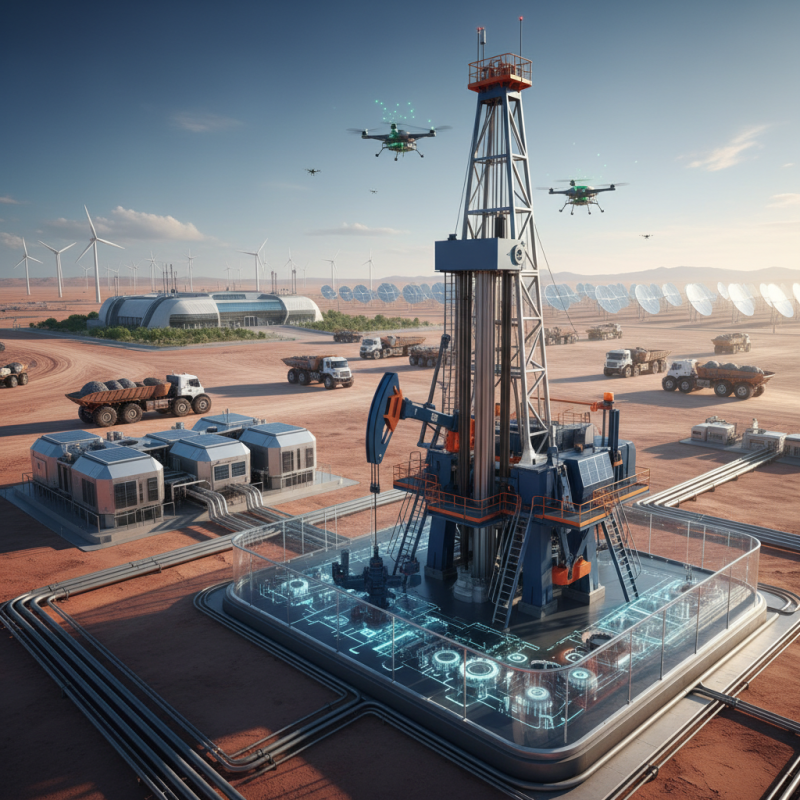
China's Oil Drilling Equipment Market Overview and Key Players
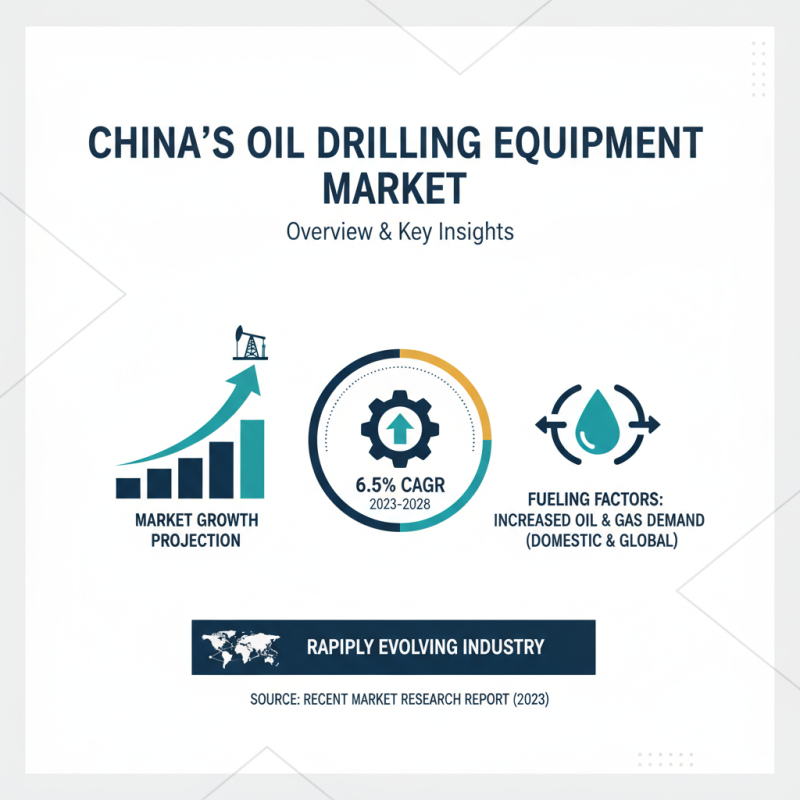
China's oil drilling equipment market is rapidly evolving. According to a recent market research report, the industry is projected to grow at a compound annual growth rate (CAGR) of around 6.5% from 2023 to 2028. This growth is fueled by increased demand for oil and gas both domestically and globally.
Key players in this market include various domestic manufacturers specializing in advanced drilling technologies. These companies are focusing on innovations such as automated drilling systems, which enhance efficiency and reduce operational risks. A notable trend is the shift towards environmentally friendly equipment. This is driven by stricter regulations and the global push for sustainable practices.
Tips: Always consider the impacts of new technologies on traditional methods. Industry professionals should not overlook the learning curve associated with new equipment.
As the market evolves, several challenges remain. High maintenance costs and issues with equipment reliability can hinder adoption. Concerns about the availability of skilled labor to operate advanced systems also persist. Continuous training and investment in workforce development are crucial for addressing these challenges effectively.
Recent Innovations in Oil Drilling Technologies in China
Recent innovations in oil drilling technologies in China have gained attention for their efficiency and environmental benefits. In 2022, the country invested approximately $15 billion in research and development for oil drilling equipment. Advanced technologies, such as automated drilling systems, have significantly reduced the time needed for drilling operations. Reports estimate that these innovations can cut drilling costs by 20%, enhancing the overall economic viability of projects.
Efforts to incorporate digital technologies are also notable. For instance, the use of big data analytics in drilling operations can predict equipment failures before they occur. This proactive approach can minimize downtime. A recent study highlighted that companies employing these technologies have increased their operational efficiency by up to 30%. However, challenges persist, including the need for skilled personnel trained in these advanced tools. The oil drilling sector is evolving rapidly but must also address workforce gaps to fully leverage these innovations.
Sustainability remains a critical concern. New methods, such as using less invasive drilling techniques, are being adopted but are not universally implemented. Some operations still rely on older practices, raising questions about environmental impact. While progress is evident, ongoing reflection is essential for ensuring that advancements align with sustainability goals. Balancing technological growth with responsible practices is crucial to the industry's future.
Trends Shaping the Future of Oil Drilling Equipment in China
The oil drilling equipment industry in China is evolving rapidly. Companies are adopting advanced technologies to meet growing energy demands. Innovative designs and materials are making equipment lighter and more efficient. Enhanced automation is reducing human error and improving safety.
Digitalization is another trend influencing this sector. Data analytics and AI are optimizing drilling processes. Real-time monitoring allows for quicker decision-making. However, challenges remain, such as cybersecurity risks and the need for skilled labor. As the industry grows, maintaining a balance between innovation and safety is essential.
Sustainability is also a critical focus. Companies are exploring eco-friendly materials and processes. Yet, achieving a fully sustainable approach is a complex task. It requires continuous investment and research. The future of oil drilling equipment in China promises significant advancements, but it demands careful consideration of both innovation and ethical practices.
Impact of Environmental Regulations on Drilling Equipment Development
Environmental regulations significantly shape the development of drilling equipment in China. These regulations promote the use of innovative technologies. They aim to reduce emissions and minimize environmental impacts. Companies are now investing more in eco-friendly technologies. This trend underscores the industry’s shift towards sustainable practices.
Many firms are researching new materials and processes to enhance efficiency. For instance, the integration of smart monitoring systems can optimize drilling operations. These systems provide real-time data, improving decision-making. However, not all companies have adapted swiftly to these changes. Some are still relying on outdated methods, facing challenges in compliance.
The shift to greener practices brings both opportunities and challenges. Developing cleaner technologies can be costly. Balancing profitability and sustainability remains a concern. Companies must navigate these complexities to remain competitive. Innovations that start as responses to regulations may also lead to unforeseen problems. Therefore, ongoing reflection on strategies is crucial for future growth in the industry.
China Top Oil Drilling Equipment Innovations and Trends in the Industry - Impact of Environmental Regulations on Drilling Equipment Development
| Innovation/Trend |
Description |
Impact of Regulations |
Future Outlook |
| Automated Drilling Systems |
Integration of AI and machine learning to enhance drilling efficiency. |
Regulations encourage automation to reduce environmental impact. |
Expected to increase efficiency and lower costs by 20% by 2025. |
| Eco-friendly Mud Systems |
Use of biodegradable and non-toxic drilling fluids. |
Regulations promote the use of sustainable materials to reduce pollutants. |
Growth predicted as companies seek compliance with stricter regulations. |
| Advanced Safety Equipment |
Enhancements in safety gear to minimize workplace accidents. |
Stricter regulations on worker safety push innovation in this area. |
Investment in safety technologies expected to rise significantly. |
| Rig Upgrades for Emission Control |
Retrofits to existing rigs to reduce greenhouse gas emissions. |
Regulations require emission reductions leading to technological advancements. |
Growing market for retrofitting services as compliance becomes mandatory. |
| Data Analytics in Drilling |
Applying data analytics to optimize drilling performance and reduce waste. |
Regulatory demands for efficiency drive the use of data analytics. |
Significant adoption expected over the next few years to enhance performance. |
Challenges and Opportunities in China's Oil Drilling Equipment Industry
The oil drilling equipment industry in China faces significant challenges and exciting opportunities. With rising energy demands, companies must balance innovation with sustainability. Many producers struggle to implement new technologies while keeping costs manageable. This reflects a crucial need for adaptive strategies.
The market sees a push for advanced drilling techniques to enhance efficiency. Yet, adopting these innovations requires considerable investment. Moreover, workforce training remains a concern. A skilled workforce is essential to operate complex machinery effectively. Companies must find ways to integrate training programs into their operations.
Tips: Focus on developing partnerships with technology providers. Leverage these collaborations to bring new innovations to market more efficiently. Also, consider adopting a phased approach to technology implementation. This allows for smoother transitions and minimizes disruption. Embrace continuous improvement to address shortcomings in existing processes.