2026 How to Choose the Best Drilling Mud Pumps for Your Project?
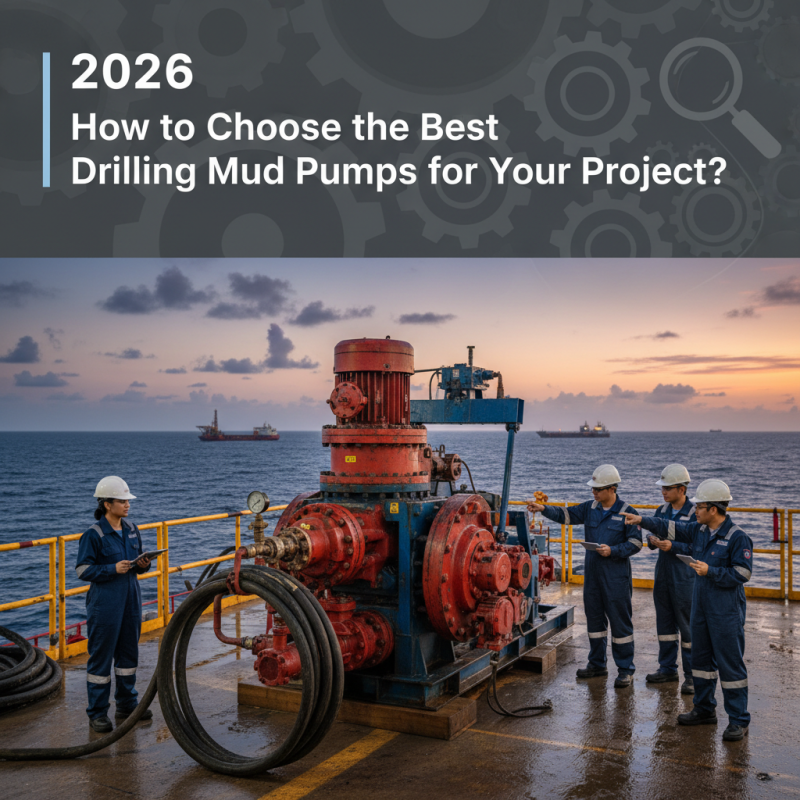
In the complex world of drilling operations, selecting the right Drilling Mud Pumps is crucial. A report from the International Association of Drilling Contractors (IADC) highlights that pump efficiency affects overall project costs by up to 20%. A leading expert in the field, Dr. Emily Carter, remarks, “Choosing the right pump can make or break your project.” Her insight underscores the importance of matching pump specifications with project demands.
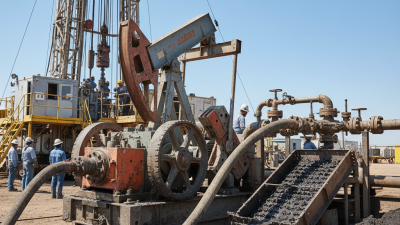
Drilling Mud Pumps are essential for circulating drilling fluids. They ensure proper pressure and flow rates during drilling. However, many overlook their significance, leading to inefficiencies. For instance, inadequate pump capacity can result in slower drilling speeds and increased operational costs.
Yet, determining the best pump isn't straightforward. Projects vary widely in requirements, from shale gas to offshore drilling. Each application demands specific performance metrics. Understanding the nuances of Drilling Mud Pumps, including their types and operational limits, is essential. The decision can be overwhelming, and many companies may find themselves reflecting on their choices later.
Understanding the Role of Drilling Mud Pumps in Construction Projects
Drilling mud pumps play a crucial role in construction projects, particularly in drilling operations.
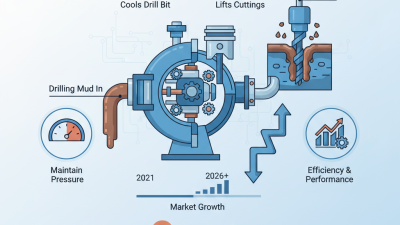
These pumps circulate drilling fluids, providing necessary pressure to carry cuttings to the surface. They enhance the efficiency of drilling by cooling the drill bit and stabilizing the borehole.
According to a recent industry report, efficient mud pumps can improve drilling efficiency by up to 30%. This can lead to significant cost savings over time.
Choosing the right pump requires understanding your project's specifics. Factors such as flow rate, pressure requirements, and fluid characteristics need careful consideration. For instance, a pump's flow rate should match the drilling speed to optimize performance. Many projects struggle with pump selection, leading to inefficiencies and unexpected downtime.
A miscalculation in pump capacity could delay project timelines by up to 15%.
Operational challenges are common in construction projects. Inadequate mud systems can result in poor hole cleaning and increased risk of collapses.
Notably, maintaining proper fluid viscosity is essential to keep the drilling process smooth. Engineers emphasize the need for regular maintenance as well.
Neglecting this can lead to equipment failures that reflect poorly on project management.
Identifying and addressing these issues early can mitigate risks and enhance overall project success.
Key Factors to Consider When Selecting Drilling Mud Pumps
When selecting drilling mud pumps, understanding key factors is crucial. The pump's flow rate and pressure rating can significantly impact project efficiency.
A report from the American Petroleum Institute indicates that optimal flow rates can enhance drilling operations by up to 40%. This illustrates the importance of choosing a pump with appropriate specifications tailored to the specific conditions of your project.
Durability is another essential consideration. Pumps face harsh conditions on-site, which can lead to wear and tear. According to a survey by the Society of Petroleum Engineers, over 30% of pump failures occur due to material fatigue. Evaluating materials and build quality is vital.
Sometimes, less expensive options may save upfront costs but lead to more frequent replacements. The long-term sustainability of your choice is often more critical than initial pricing.
Compatibility with drilling fluids is a factor that shouldn't be overlooked. Certain pumps work better with specific types of mud. For instance, a fluid with high viscosity may require a different pump design to function efficiently.
Sometimes, the mismatch can lead to reduced performance or even failures during operations. Understanding these nuances can help ensure that your drilling project progresses without unforeseen issues.
Types of Drilling Mud Pumps and Their Applications
When selecting drilling mud pumps, understanding the types available is crucial.
There are centrifugal pumps. They are widely used due to their efficiency.
These pumps are great for moving liquids at a steady rate. They work best in less viscous fluids.
However, they may struggle with heavier mud mixes.
Positive displacement pumps are another type. They handle thicker mud efficiently.
These pumps provide a consistent flow, even with challenging materials. They are perfect for high-pressure situations.
Yet, they may require more maintenance over time.
Submersible pumps are also popular. They sit directly in the fluid.
This design allows for efficient delivery. However, accessing them for repairs can be tough.
Each type has its pros and cons. There's no one-size-fits-all solution.
It’s essential to reflect on your specific project needs.
Think about fluid viscosity, pressure requirements, and maintenance capabilities.
Evaluating Pump Performance and Efficiency Metrics
When selecting drilling mud pumps, evaluating performance and efficiency is crucial. Metrics like flow rate, pressure, and energy consumption provide insights into pump capabilities. A report from the American Petroleum Institute indicates that pumps with optimal flow rates can save up to 30% on operational costs. This statistic emphasizes the importance of matching pump specifications to project requirements.
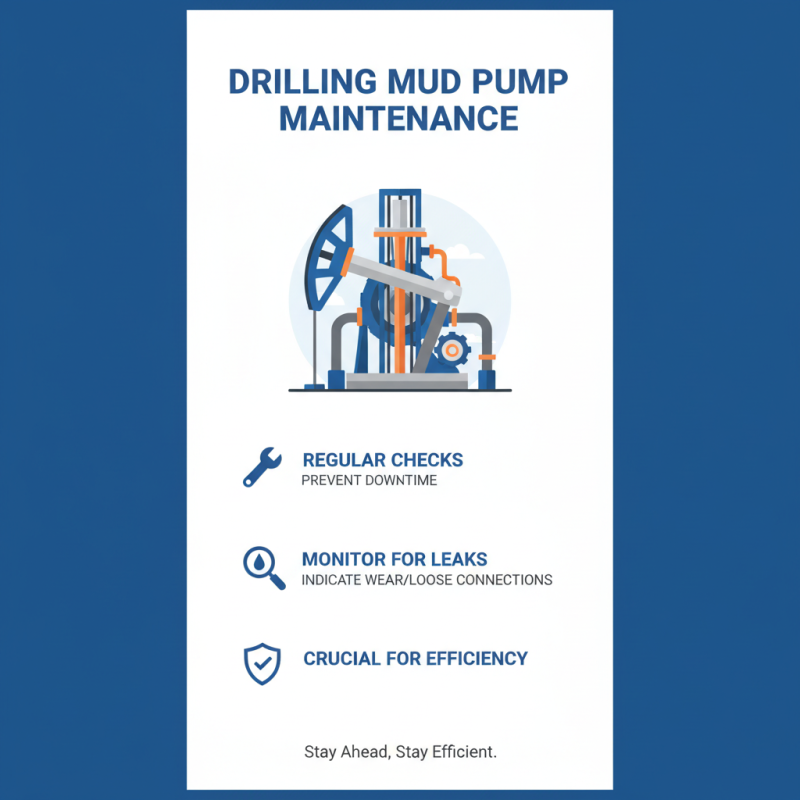
Pump efficiency is also affected by design and maintenance. A study from the Society of Petroleum Engineers found that improper maintenance can reduce pump efficiency by up to 25%. Regular checks on seals, impellers, and motors are necessary for peak performance. Neglecting these areas could lead to unexpected downtime, affecting project timelines.
Consider your specific project needs, including fluid viscosity and density. A good fit can enhance performance significantly. Yet, many projects overlook this aspect, leading to mismatched expectations. Collecting data on previous projects can help identify which performance metrics matter most. Being aware of potential pitfalls in selection can guide better decisions for future drilling endeavors.