How to Choose the Best Rig Accessories for Your Fishing Needs?
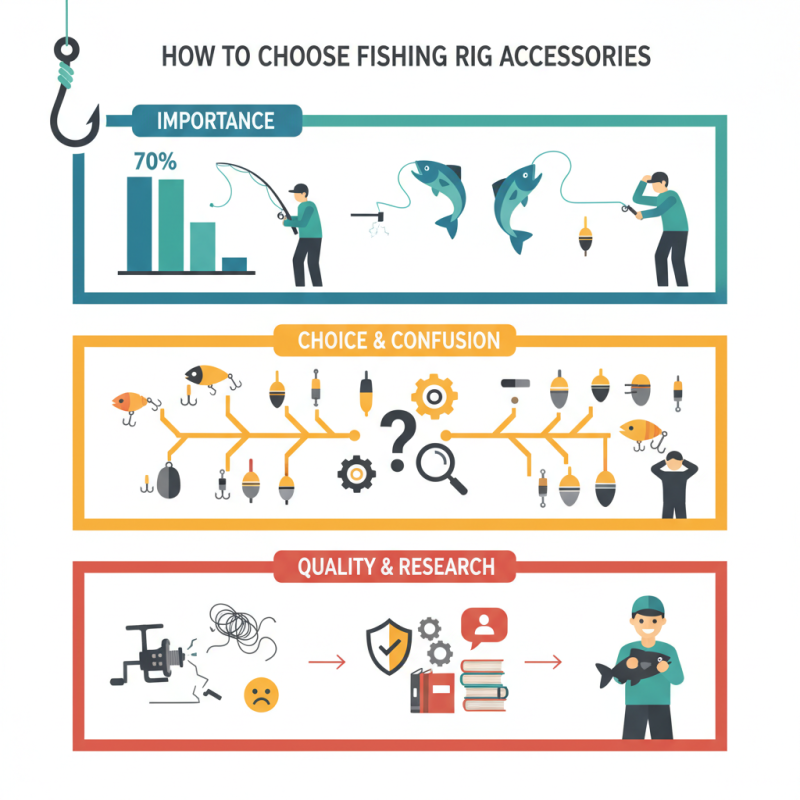
Selecting the right rig accessories is crucial for any fishing enthusiast. This choice can significantly impact your fishing success. According to a recent industry report from Fishing Gear Insights, nearly 70% of anglers emphasize the importance of suitable rig accessories for optimal performance. Expert angler Jane Thompson states, "The right rig accessories can make or break your fishing experience."
Understanding the various components available in the market can be overwhelming. There are countless options, each tailored to specific fishing techniques. The diversity can lead to confusion, especially for beginners. A clear awareness of your fishing needs is essential. It helps navigate through the noise of marketing claims and glittering advertisements.
However, not all accessories deliver on their promises. Some products may fail to perform, leading to frustration. Industry reviews suggest that nearly 30% of anglers have experienced disappointment due to poor-quality gear. It's vital to do thorough research and seek expert recommendations before making a decision. Investing time upfront can lead to a more rewarding fishing journey.
Understanding Different Types of Fishing Rigs and Their Accessories
When it comes to fishing, understanding the various types of rigs is essential. Different rigs serve different purposes. For example, a
bottom rig is excellent for catching fish close to the ocean floor. On the other hand, a float rig keeps bait
suspended. Each type requires specific accessories to enhance effectiveness.
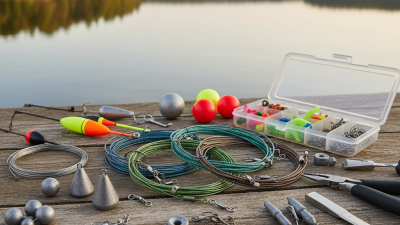
Selecting the right accessories can be confusing. We often overlook essential items, like sinkers, swivels, and hooks. These small components
can significantly impact your catch rate. A mismatched hook size may cause lost opportunities. It's vital to choose accessories that match
your rig's specifications. This will ensure a seamless fishing experience.
Moreover, the choice of materials affects performance. For instance, monofilament line may stretch, while
braided line offers superior sensitivity. Consider the water conditions and targeted species. Many
anglers forget to adapt accessories based on these factors. Experimentation is key. Reflecting on past fishing trips can provide
valuable insights into what worked and what didn’t.
Identifying Your Fishing Style and Target Species
Understanding your fishing style is crucial when selecting rig accessories. Different styles, such as fly fishing, baitcasting, or deep-sea fishing, require specific gear. For instance, fly fishing often calls for lighter lines and specialized fly rigs. In contrast, baitcasting may need heavier lines that can handle larger hooks and lures. Identify what feels comfortable for you.
Target species play a significant role in your choice of accessories. Freshwater species like trout and bass may require different approaches. For trout, lighter tackle and finesse rigs may yield better results. Meanwhile, targeting bass could involve using heavier gauges and larger lures. Reflect on your previous catches. Did you struggle with certain setups? That could indicate a need for adjustment in your accessories. Analyzing your experiences can lead to more successful outings and improve your overall confidence.
Evaluating Essential Accessories for Rig Efficiency
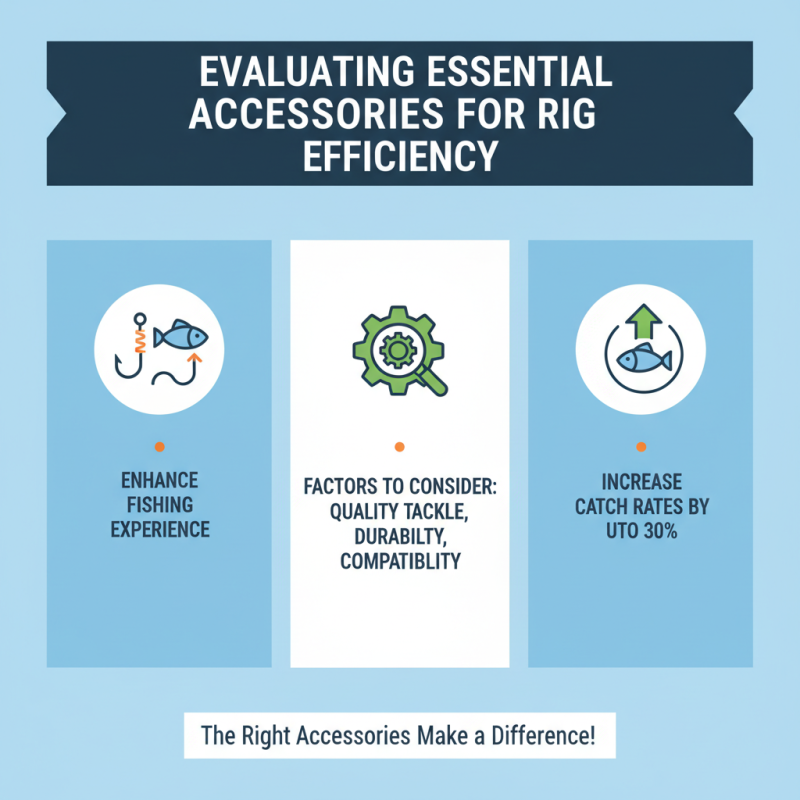
When evaluating essential accessories for rig efficiency, various factors come into play. The right accessories can significantly enhance your fishing experience. Studies show that using quality tackle can increase catch rates by up to 30%. This statistic highlights the importance of selecting appropriate rig accessories.
Consider the materials you choose. For instance, monofilament lines often offer stretch and shock resistance, enhancing your ability to reel in larger fish. Many experts suggest that fluorocarbon leaders can improve invisibility underwater. A good rig should also include a reliable knot system. Not all knots are created equal; some may slip under pressure, leading to lost catches.
Additionally, think about weight distribution. Heavy weights can help sink bait quickly, while lighter weights offer better movement in the water. Remember, however, that excessive weight can deter fish. Be mindful of balancing your setup for optimal effectiveness. Numerous anglers encounter difficulties in achieving this balance, revealing a need for ongoing experimentation. It’s important to test different accessories in various conditions to discover what truly works for you.
Choosing Sustainable Materials and Eco-Friendly Options
When choosing fishing rig accessories, sustainability is crucial. Many anglers are unaware of the environmental impact of their gear. A report from the International Council for the Exploration of the Sea indicates that plastic pollution in oceans affects fish populations and local ecosystems. Opting for eco-friendly materials can help mitigate this issue.
Recycled nylon and organic cotton are excellent alternatives. They reduce waste and minimize the demand for virgin resources. In fact, research shows that using recycled materials can lower carbon footprints by up to 70%. Additionally, biodegradable fishing line and lead-free weights promote environmental health. These options can combat the detrimental effects of traditional gear on marine life.
Many anglers face challenges in sourcing sustainable products. The options are growing, but education is key. It’s vital to research and look for certifications that ensure products are genuinely eco-friendly. Choosing sustainable accessories is not just a personal preference; it’s a necessary shift for the future of fishing. Every small decision contributes to healthier waterways and thriving ecosystems.
How to Choose the Best Rig Accessories for Your Fishing Needs
This bar chart illustrates the popularity of various eco-friendly fishing accessories among environmentally conscious fishermen. The data indicates a growing trend towards sustainable fishing practices, highlighting the importance of choosing materials that are both effective and environmentally responsible.
Budgeting for Quality Accessories vs. Cost-Effective Choices
When considering rig accessories for fishing, budgeting is crucial. Many anglers face the dilemma of choosing between high-quality accessories and affordable alternatives. Industry reports show that fishermen who invest in quality equipment typically see a 30% longer lifespan for their gear. Higher-priced accessories often use durable materials that enhance performance and longevity.
However, not every angler can afford top-tier products. Research indicates that 45% of recreational fishers opt for budget-friendly options. While these cost-effective choices can be functional, they may lack the advanced features and reliability of premium products. For instance, a lower-priced reel might struggle under heavy use. Users often report faster wear and tear. Balancing quality with affordability can be complex, requiring personal assessment of fishing frequency and conditions.
It's essential to reflect on your specific fishing needs. Casual anglers could save money with basic gear. More dedicated fishers may need to prioritize investment in sturdier accessories. Ultimately, understanding your fishing lifestyle helps in making informed decisions about which accessories to purchase. The right choice can lead to better experiences on the water.