How to Choose the Right Safety Relief Valve for Your Application?
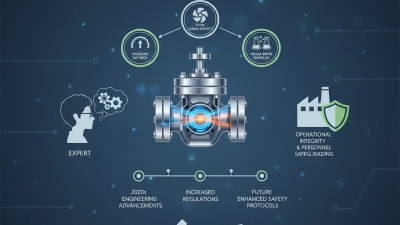
Choosing the right Safety Relief Valve is critical for many industries. These valves protect equipment by releasing excess pressure. According to a report by the American Society of Mechanical Engineers (ASME), improper valve selection can lead to equipment failures and safety hazards.
In fact, nearly 30% of industrial accidents are linked to pressure-related failures. This highlights the importance of understanding your specific application. Factors such as pressure ratings, temperature, and fluid type must be considered. Each application has unique demands, which makes a one-size-fits-all solution inadequate.
Moreover, manufacturers often overlook maintenance needs. Regular checks ensure the Safety Relief Valve functions correctly. Neglecting this can result in costly downtime and potential risks. It's essential to reflect on these aspects when choosing the right valve for your needs. Every detail matters in maintaining safety and efficiency.

Understanding Safety Relief Valves: Definition and Purpose
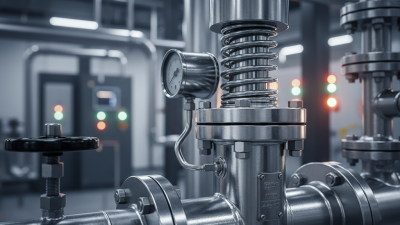
Safety relief valves play a crucial role in many applications. They are designed to prevent excessive pressure buildup in systems. When pressure exceeds a certain limit, these valves open and release excess fluid or gas. This ensures safety and protects equipment from significant damage.
Understanding safety relief valves starts with their definitions. They act as a safeguard, maintaining system integrity. Selecting the wrong valve can lead to catastrophic failures. For instance, a valve that is too large may not respond quickly enough, risking overpressure. Conversely, a small valve might open prematurely, creating inefficiencies.
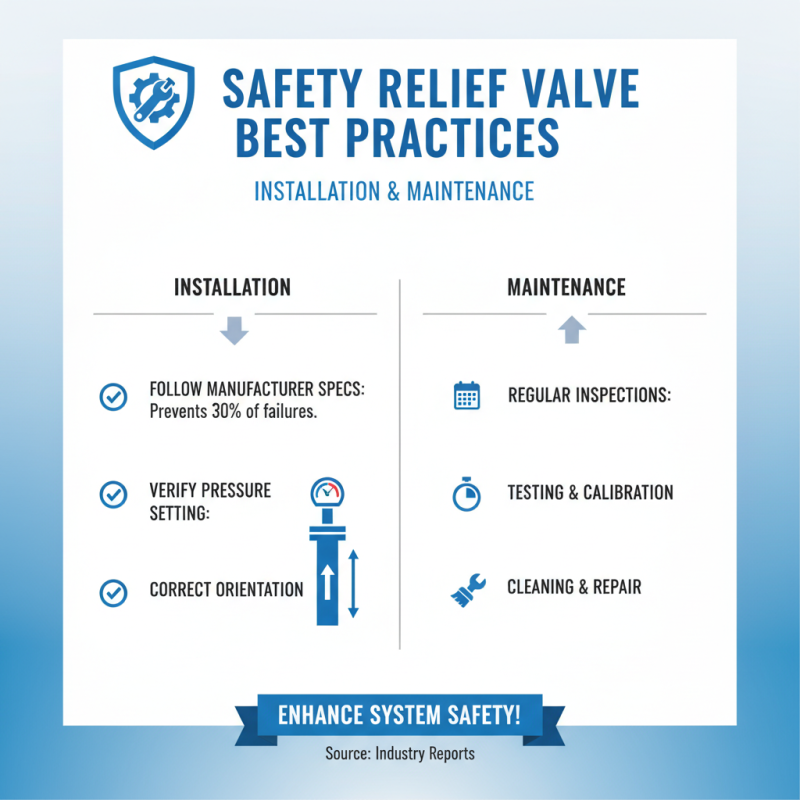
Installation requires attention to detail. Each application is unique, with specific requirements. Consider the fluid's nature and operating pressure. The environment can also affect valve performance. Familiarizing yourself with common mistakes can enhance decision-making. Relying solely on manufacturer guidelines without considering your context could be risky. Experience matters, but it's always wise to remain vigilant.
Key Factors to Consider When Selecting a Safety Relief Valve
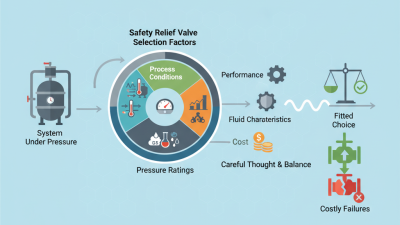
Choosing the right safety relief valve is critical for any application. Start by evaluating the pressure conditions of your system. The set pressure should match your operational limits and provide adequate relief. A valve that is too large may lead to unnecessary releases, while one that's too small can fail to protect adequately.
Material selection is also vital. Consider the fluid characteristics. Corrosive and high-temperature fluids require materials that withstand these conditions. If the wrong material is used, it could lead to premature failure. Additionally, think about the valve's installation location. Accessibility for maintenance and testing should not be overlooked.
Finally, don’t forget about compliance with safety standards. Each industry has specific regulations. Ignoring these might save time initially but can lead to severe consequences later. Regular reviews and updates of your selection criteria can help improve safety outcomes. For many, this process feels overwhelming, but it’s crucial for long-term success.
Safety Relief Valve Selection Considerations
This bar chart illustrates the key factors to consider when choosing a safety relief valve for your application, rated by their importance level on a scale of 1 to 10.
Types of Safety Relief Valves and Their Applications
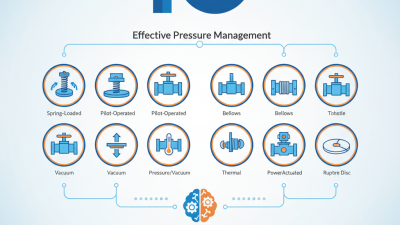
Selecting the right safety relief valve is crucial for various industries. Understanding the different types can lead to better decision-making. There are three primary categories of safety relief valves:
conventional,
balanced bellows, and
pilot-operated. Each type serves unique applications.
Conventional valves are common in pressure vessels. They often handle gases and vapors. According to industry reports, around 55% of applications utilize this type. However, they can be less effective in fluctuating conditions, which can lead to premature leakage or failure.
Balanced bellows valves are designed to cope with back pressure. They maintain performance even when pressure varies. Reports indicate that 30% of users favor this option due to its reliability. Nevertheless, installation costs can be higher, creating a dilemma in budget-conscious settings.
Pilot-operated valves are best for large systems. They provide superior flow rates and can handle high capacities. Yet, only about 15% of applications employ them. Complexity in design could lead to maintenance challenges later on. Choosing the right valve must consider all these factors carefully.
Material Compatibility and Pressure Ratings in Valve Selection
When selecting a safety relief valve, material compatibility is crucial. The valve's material must withstand the conditions in your application.
Corrosive substances can degrade certain materials quickly. For instance, a valve made from brass may not be suitable for acidic environments. A mismatch here can cause failures, potentially leading to leaks or catastrophic events.
Pressure ratings are equally important. The valve should be rated above the highest pressure in your system. A valve with insufficient pressure capabilities might open too early or fail to open when needed.
This mismanagement can result in dangerous situations. It is vital to consider the operational temperature range as well. High temperatures can affect how materials behave under stress.
Tip: Always check manufacturer specifications before making a purchase. Compare options carefully.
Another note: don’t overlook the installation environment. The valve needs an appropriate setting to function correctly. If it’s too noisy or dusty, performance may suffer.
Ensure a clean, controlled environment whenever possible.
Tip: Run a compatibility test if unsure about material choice. It’s better to be safe than sorry.