2026 How to Choose the Best Drilling Mud Pumps for Your Projects?
In the drilling industry, choosing the right equipment can be daunting. Drilling Mud Pumps play a crucial role in the success of well construction. As John Smith, a leading expert in drilling technologies, once said, "The efficiency of a drilling project often hinges on the performance of the mud pump."
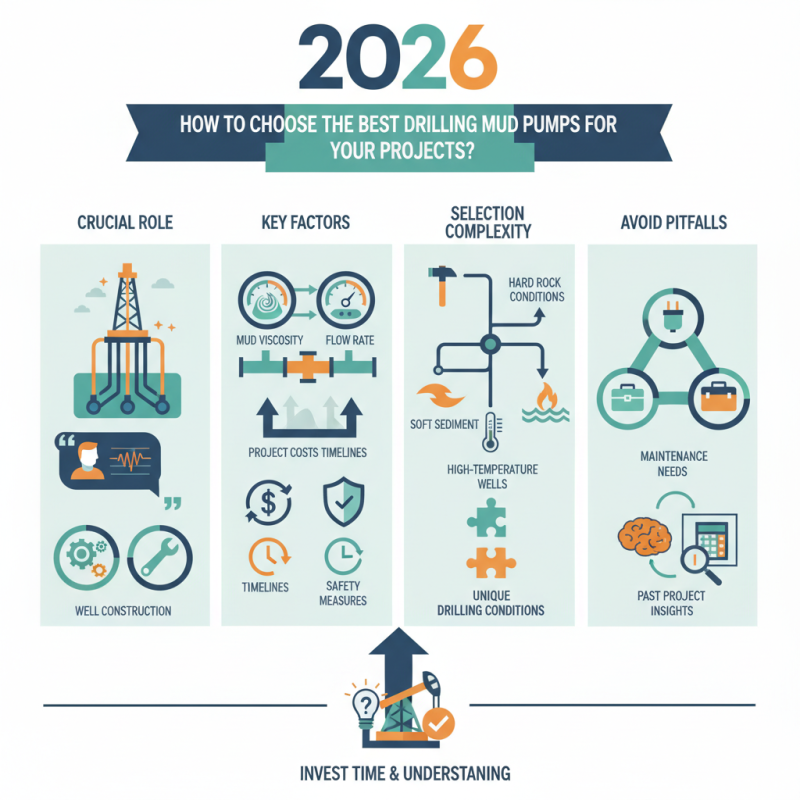
Understanding the features and specifications of Drilling Mud Pumps is essential. A pump must handle the right mud viscosity and flow rate for optimal performance. The choice of pump affects project costs, timelines, and safety measures. Each type serves unique drilling conditions, making the selection process complex.
Poor decision-making can lead to costly errors. It's vital to assess energy consumption and maintenance needs carefully. Sometimes, less expensive options may lead to increased long-term costs. Reflection on past drilling projects can provide insights. Invest time in understanding the capabilities of different mud pumps to avoid pitfalls.
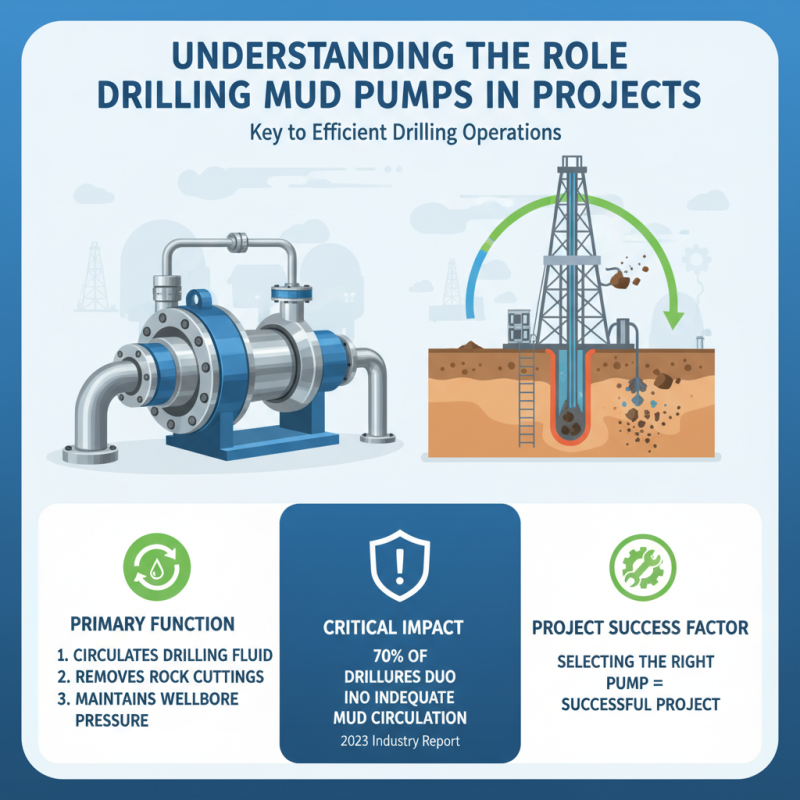
Understanding the Role of Drilling Mud Pumps in Projects
Drilling mud pumps play a pivotal role in various drilling projects. They circulate the drilling fluid, helping to remove cuttings and maintain pressure inside the wellbore. A 2023 industry report highlighted that over 70% of drilling failures arose from inadequate mud circulation. Thus, selecting the right pump can influence project success.
In choosing a pump, consider its capacity and compatibility with your drilling fluid. High-pressure pumps are vital for deeper wells, where fluid loss is a significant concern. However, don't overlook the maintenance requirements. Frequent issues can arise from neglecting maintenance, leading to costly downtime. Regular checks can prevent these problems.
Tips: Optimize pump selection by evaluating flow rates. Ensure the pump you choose matches your specific mud type and project depth. Also, consider using variable speed drives to enhance efficiency.
Material choice for components can impact durability. For instance, using wear-resistant alloys prolongs pump life. Many contractors forget that improper materials lead to accelerated wear and tear. Always reflect on the long-term costs versus upfront savings. This small detail can save money in the long run.
Key Factors to Consider When Selecting Drilling Mud Pumps
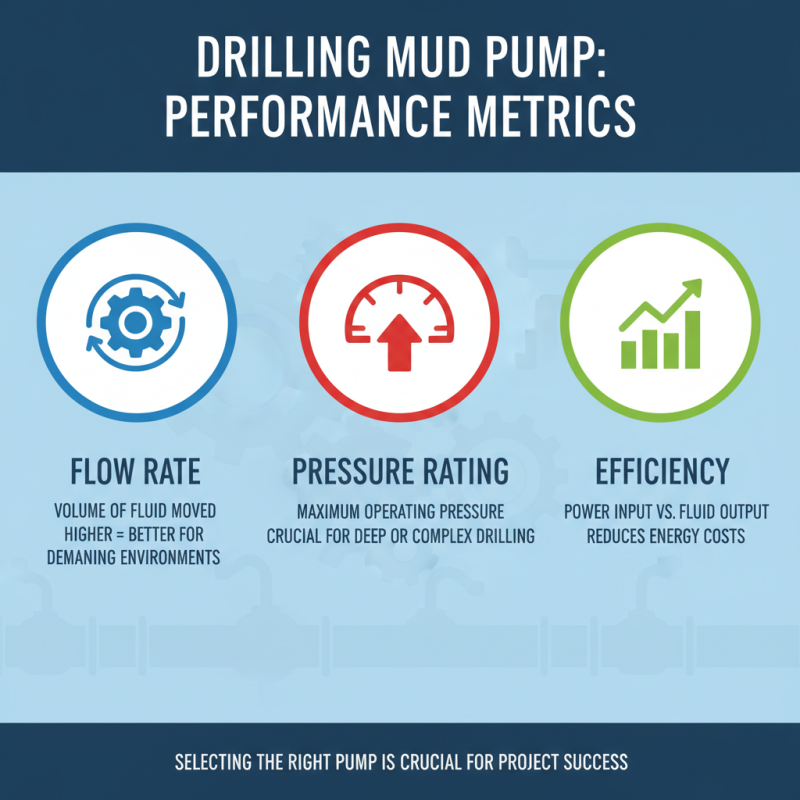
When selecting drilling mud pumps, several key factors must be considered. The pump's flow rate is crucial. It should match the specific requirements of your project. A pump with insufficient flow may lead to sluggish operations. A pump that is too powerful can waste energy and resources.
Evaluate the pump's durability and materials. These pumps operate in demanding environments. Hence, they should withstand harsh conditions.
Corrosion-resistant materials can enhance longevity. Also, consider
ease of maintenance. A complicated design might slow down repairs. Simplicity in maintenance can save time and costs.
Assess the
energy efficiency of the pump. This factor impacts operational costs significantly. An inefficient pump can lead to
higher energy bills. Performance should not come at the expense of power consumption. Think about
noise levels, too. Some pumps can be surprisingly loud, affecting nearby environments.
Finding balance is essential, and it often requires a bit of trial and error.
Types of Drilling Mud Pumps and Their Applications
When selecting drilling mud pumps, it’s vital to understand the various types available and their specific applications.
Centrifugal pumps are quite common in drilling operations. They excel in transferring low-viscosity fluids. However, they may not be suitable for handling heavier muds.
According to a 2022 industry report, approximately 30% of drilling failures are related to improper pump selection, highlighting the critical role of this decision.
Positive displacement pumps serve a different purpose. They can handle thicker muds efficiently. This is crucial in challenging drilling environments, where viscosity plays a significant role.
In fact, a study showed that using the right positive displacement pump can increase drilling efficiency by up to 25%. Yet, they come with higher maintenance demands. Choosing one means weighing performance against maintenance capabilities.
It's essential to consider operational conditions as well. For example, high-pressure environments need pumps designed for extreme conditions. The wrong choice can lead to unsafe situations.
Industry data reveals that nearly 15% of projects experience setbacks due to equipment failure. Understanding these factors aids in making informed decisions about the best drilling mud pumps for each unique project.
Maintenance and Support Considerations for Drilling Mud Pumps
When selecting drilling mud pumps, maintenance and support play critical roles. Regular checks on pump components can prevent breakdowns. Inspect seals and gaskets for wear. A tiny crack can lead to significant leaks. Ensure that the impeller is free from damage. Any signs of corrosion need immediate attention.
Operators should know the importance of training. Proper training minimizes mistakes during operations. Even experienced staff may overlook simple checks. Schedule routine maintenance sessions. Create a checklist to ensure nothing is missed. Sometimes, unexpected issues arise due to neglect. Don't wait for failures to address concerns.
Consider the support options available. A knowledgeable technician can provide valuable insights. Understanding how to troubleshoot is crucial. Documentation can help track previous issues. Maintain a log of all maintenance performed. This will aid in identifying patterns over time. It also assists in planning future maintenance effectively.