How to Choose the Best Well Drilling Equipment for Your Needs?
When it comes to drilling wells, selecting the right well drilling equipment is crucial. This decision can significantly impact the efficiency and success of your project. Numerous types of equipment are available, each designed for specific needs and conditions. Understanding these differences is essential to making an informed choice.
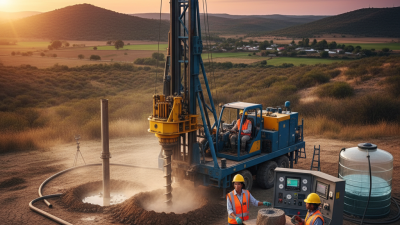
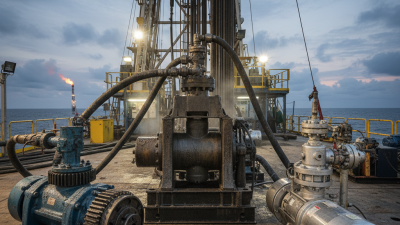
Modern well drilling equipment varies greatly in size and function. For instance, rotary drill rigs are ideal for deeper wells, while cable tool rigs work well in softer soil. Take time to assess your specific drilling environment. The geology of the site will influence your equipment choice.
Choosing well drilling equipment also involves considering the cost, maintenance, and availability of parts. Sometimes, cheaper options come with hidden costs. Prioritize reliability over short-term savings. Investing in quality equipment can prevent setbacks and ensure a smooth drilling process. Your decision reflects the quality of your work in the long run.
Understanding Your Well Drilling Needs and Requirements
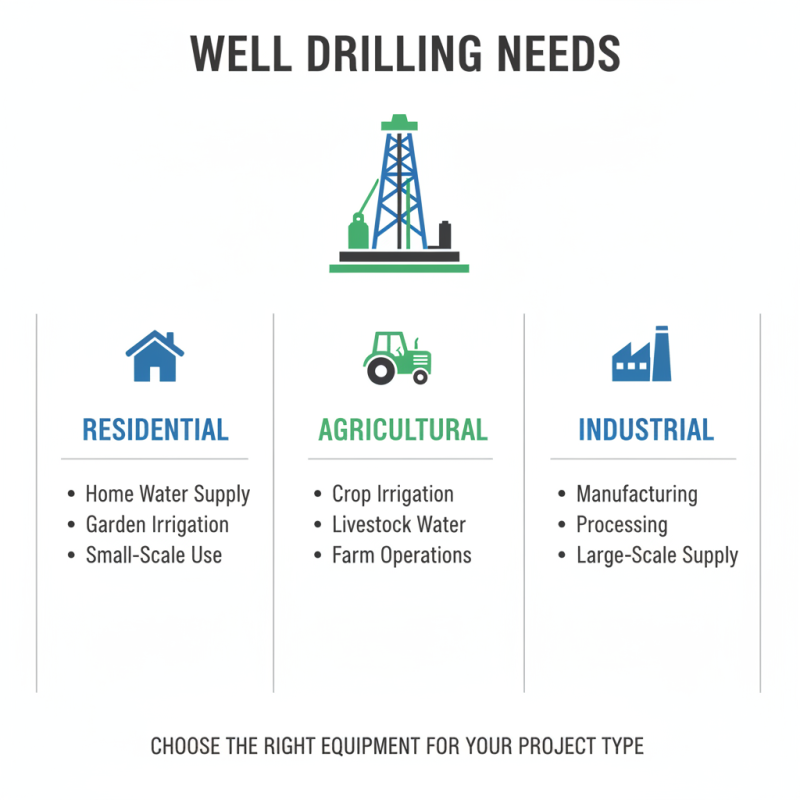
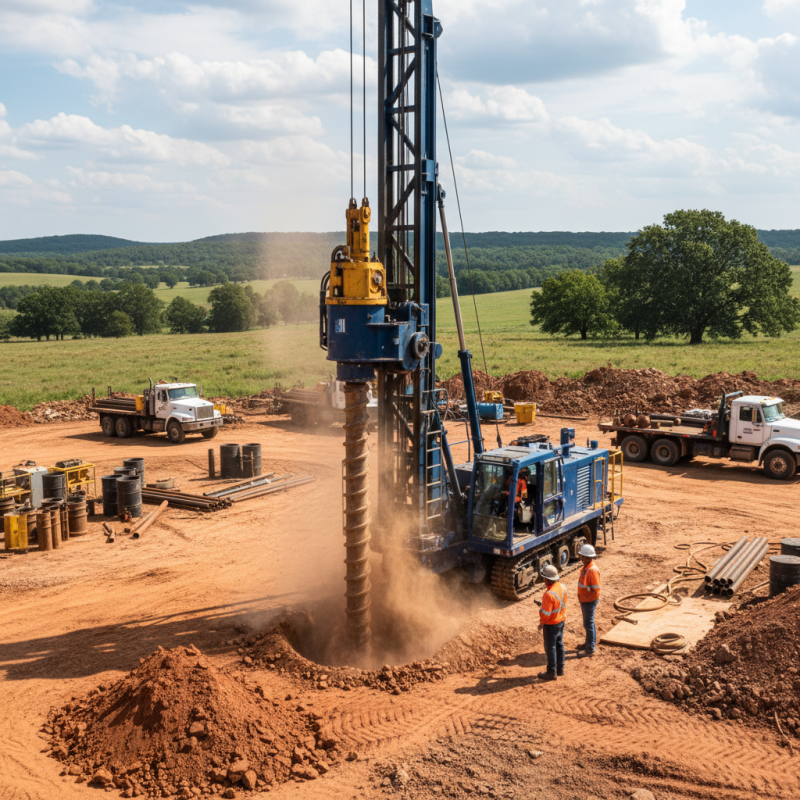
Understanding your well drilling needs is essential to choosing the right equipment. Different projects demand different tools. Start by assessing the type of well you require. Is it for residential, agricultural, or industrial purposes? Each type has specific requirements.
Consider the soil conditions in your area. Rocky terrain requires sturdy machinery. Conversely, softer soils may need lighter equipment. Pay attention to the depth of the well. Deeper wells often need more powerful drills. This analysis helps in narrowing your options.
Moreover, think about ease of operation and maintenance. Complex machines might require specialized training. It’s important to reflect on your team's expertise. Will they need extra assistance? Addressing these details ensures you choose equipment that fits your situation. Planning ahead can prevent costly mistakes down the line. Make a list of what features matter most to you.
Types of Well Drilling Equipment Available in the Market
When selecting well drilling equipment, understanding the types available in the market is crucial. Various options cater to different needs and soil conditions. Common types include rotary drill rigs, cable tool rigs, and auger drills. Each has unique advantages suited for specific applications. Rotary drill rigs are versatile and efficient for deep drilling, while cable tool rigs excel in hard materials. Auger drills are ideal for shallow wells, especially in softer ground.
The choice of equipment also depends on the scale of your project. Smaller operations may benefit from portable drills, which offer flexibility and ease of movement. Larger projects often require more robust machinery to handle tough terrains. It’s important to evaluate the soil type and depth before selecting your drill. Factors like the local geology can significantly impact the drilling process.
As with any equipment choice, consider the potential drawbacks. The cost of maintenance and the learning curve for operating certain machines can be daunting. Not all users may be comfortable handling complex machinery, leading to potential safety risks. Always prioritize reliable sources of information and seek professional advice when necessary. Investing in the right equipment can save time and money, but thorough research and thoughtful consideration are essential.
Types of Well Drilling Equipment Available in the Market
This chart illustrates the distribution of different types of well drilling equipment commonly used in the industry, helping you choose the best equipment based on your specific needs.
Factors to Consider When Choosing Well Drilling Equipment
Choosing the right well drilling equipment is vital for achieving your project's goals. There are several factors to consider that can impact your decision.
The depth and size of the well are crucial. Understand the geological conditions you will encounter. This influences the type of drilling methods you can use. Depending on the terrain, different equipment will perform better. Don’t just look at popularity; evaluate if a tool fits your specific situation.
Tip: Always consult with professionals who have experience in drilling. Their insights can steer you toward suitable equipment.
Another factor is the equipment's portability. If you need to move to different sites, lightweight options might be best. However, ensure they retain their effectiveness. The right balance between portability and performance is essential. Some models may look efficient but can falter under pressure.
Tip: Test tools in real conditions if possible. Observing their performance firsthand can be revealing.
Budget is also significant. High-quality equipment often comes at a premium. Make sure to account for maintenance costs and durability. Sometimes, a cheaper option can end up costing more in the long run due to repairs.
How to Choose the Best Well Drilling Equipment for Your Needs
| Factor |
Description |
Importance Level |
| Type of Drilling |
Identify whether you need rotary drilling, cable tool drilling, or another type based on soil and rock conditions. |
High |
| Well Depth |
Consider the maximum depth needed for your drilling project to choose appropriate equipment. |
High |
| Budget |
Establish how much you are willing to spend on well drilling equipment, including maintenance costs. |
Medium |
| Mobility |
Assess whether the equipment needs to be portable for different job sites or can remain stationary. |
Medium |
| Operator Skill Level |
Determine the skill level required to operate the equipment effectively, impacting training needs. |
High |
| Maintenance Requirements |
Understand the maintenance needs of the equipment to prevent downtime and ensure longevity. |
Medium |
Evaluating Quality and Reliability of Drilling Tools
When selecting drilling tools, quality and reliability are crucial factors. Poorly made equipment can lead to project delays and increased costs. Look for tools crafted from durable materials resistant to wear and tear. They must withstand harsh working conditions without breaking down. Investing in high-quality equipment pays off in the long run.
Tips for evaluating drilling tools include checking user reviews and ratings. A product widely praised typically indicates reliability. Physical inspection is essential; check for any signs of damage or manufacturing defects. Ask about warranties offered by suppliers. A solid warranty reflects a company's confidence in their product's quality.
Consider the tool's performance history. Tools used in similar conditions tend to provide insights into their reliability. It is valuable to seek recommendations from experienced drillers. Their firsthand accounts can highlight both strengths and weaknesses of certain tools. Avoid relying solely on marketing claims; real-world performance often tells a different story.
Budgeting for Well Drilling Equipment and Associated Costs
When budgeting for well drilling equipment, it's essential to consider both initial and ongoing expenses. Start with the cost of the drilling rig. Prices can vary widely based on capacity and type. Expect to allocate funds for accessories such as bits, hoses, and pumps. These extras can add thousands to your overall budget.
Don't forget about maintenance costs. Regular upkeep is crucial for longevity. A neglected rig may require expensive repairs or replacements. Additionally, consider labor costs. Hiring experienced personnel can improve efficiency but will also increase expenses.
Lastly, account for permits and local regulations. These can impact your overall budget significantly. Unexpected fees may arise, leading to frustration and financial strain. Planning ahead and conducting thorough research can help mitigate these challenges. Make sure you understand all potential costs before making a purchase.