2026 How to Choose the Right Drilling Mud Pumps for Your Project?
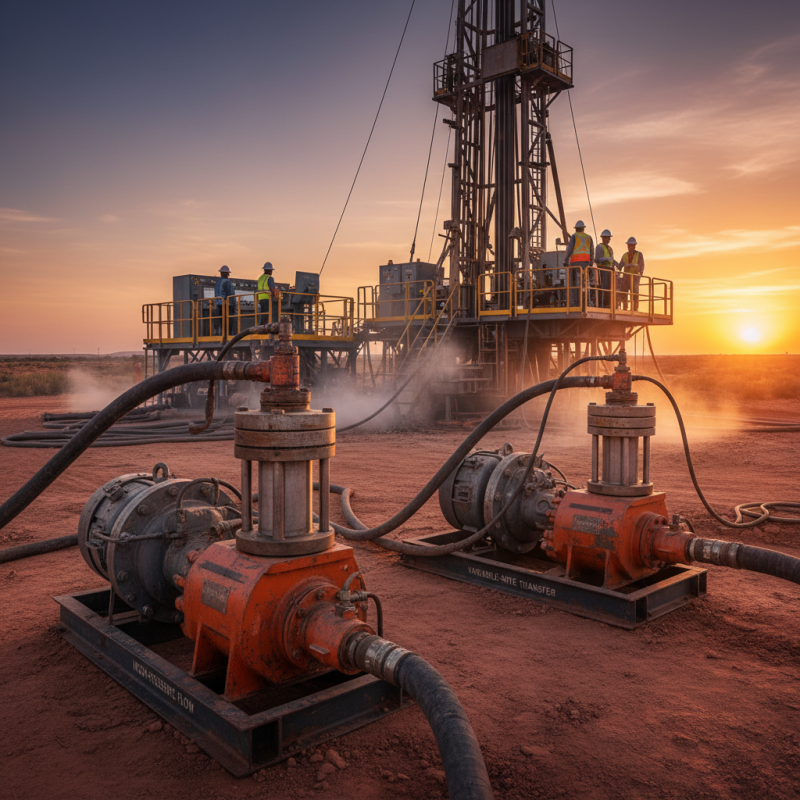
Choosing the right drilling mud pumps can greatly impact your project’s success. These pumps are essential for transporting drilling fluids. The right selection ensures efficiency and minimizes downtime.
Consider the specific requirements of your project. Different applications demand different types of drilling mud pumps. Pay attention to flow rate, pressure, and compatibility with various drilling fluids. Each detail matters. A pump that doesn’t match your needs may cause problems.
It's also crucial to evaluate the pump's durability. Harsh environments can wear down equipment quickly. Reflect on past experiences where improper pump choice led to issues. Investing the time to choose wisely is worth it. Understanding your requirements will lead you to the best drilling mud pumps for your needs.
Understanding the Role of Drilling Mud Pumps in Projects
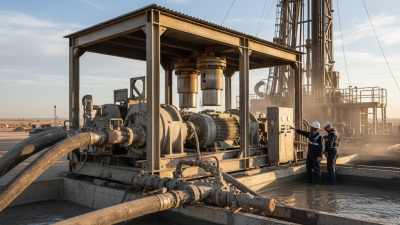
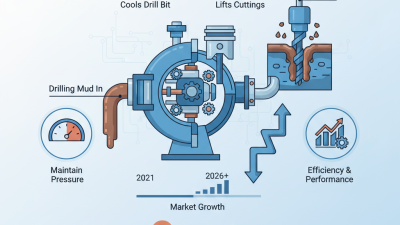
Drilling mud pumps play a crucial role in drilling operations. They circulate the drilling fluid, known as mud, which cools the drill bit. This fluid also helps remove cuttings from the wellbore. Interestingly, a recent industry report indicates that effective mud circulation can increase drilling efficiency by up to 30%. However, choosing the right pump is often overlooked, leading to suboptimal performance.
Understanding your project’s specific needs is essential. Different drilling environments require varying pump capacities and pressure ratings. A report by a leading industry analyst stated that more than 50% of projects struggle with incorrect pump selection. This can lead to costly downtime and reduced output. The fluid’s viscosity varies based on the composition, temperature, and pressure, and pumps must adapt accordingly.
The complexity behind these choices can be overwhelming. Not all pumps handle every type of drilling fluid effectively. Some may become clogged with certain mud compositions. It's vital to examine data sheets and performance charts closely. Be aware that not all operators prioritize this analysis, leading to mistakes. These missteps can significantly impact operational costs and project timelines.
Key Factors to Consider When Selecting Drilling Mud Pumps
Choosing the right drilling mud pumps is crucial for project efficiency.
Key factors include flow rate, pressure, and pump type.
According to a recent industry report, the ideal flow rate often ranges from 400 to 1,000 GPM (gallons per minute) depending on the drilling depth and type of operation.
Selecting a pump with insufficient flow can lead to delays and increased costs.
Pressure ratings matter too. Most operations require pumps that can sustain between 500 to 3,000 PSI.
If the pump fails to maintain necessary pressure, mud circulation halts. This creates a risk for drilling stability.
The raw data shows that dropping pressure can lead to higher instances of well control issues, referenced in a 2023 drilling safety study.
While the specifications are important, it’s not the only aspect to consider. The choice of pump material can impact durability and maintenance costs.
Some projects cycle through pumps quickly due to wear and tear. It's essential to reflect on this aspect when evaluating long-term resource allocation.
An oversight in material selection often incurs unforeseen expenses. Inadequate preparation can disrupt the entire drilling process, emphasizing the need for thorough planning before making a decision.
Types of Drilling Mud Pumps and Their Applications
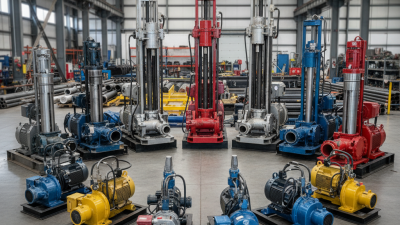
When selecting the right drilling mud pump, understanding the types and their applications is crucial. There are primarily three types of drilling mud pumps: centrifugal pumps, positive displacement pumps, and diaphragm pumps.
Centrifugal pumps are widely used for fluid transfer due to their high flow rate and efficiency. However, they may not handle high-viscosity fluids well.
Positive displacement pumps can manage thick drilling mud with precision. They provide consistent flow, even in challenging conditions.
Diaphragm pumps are notable for their ability to handle abrasive and corrosive liquids. These pumps are often used in environmentally sensitive applications, minimizing leaks or contamination. Still, they may not be suitable for large-scale operations.
Each pump type presents unique advantages and challenges. One must evaluate project-specific requirements, including fluid properties and flow rates.
Considering the project’s scale is also essential. Larger operations might require multiple pumps working in tandem. However, they can complicate maintenance and logistics. On the other hand, smaller projects often benefit from simpler systems.
A pump that works effectively in one situation might falter in another. Thus, careful consideration and planning are vital for pump selection.
Evaluating Performance Specifications for Drilling Mud Pumps
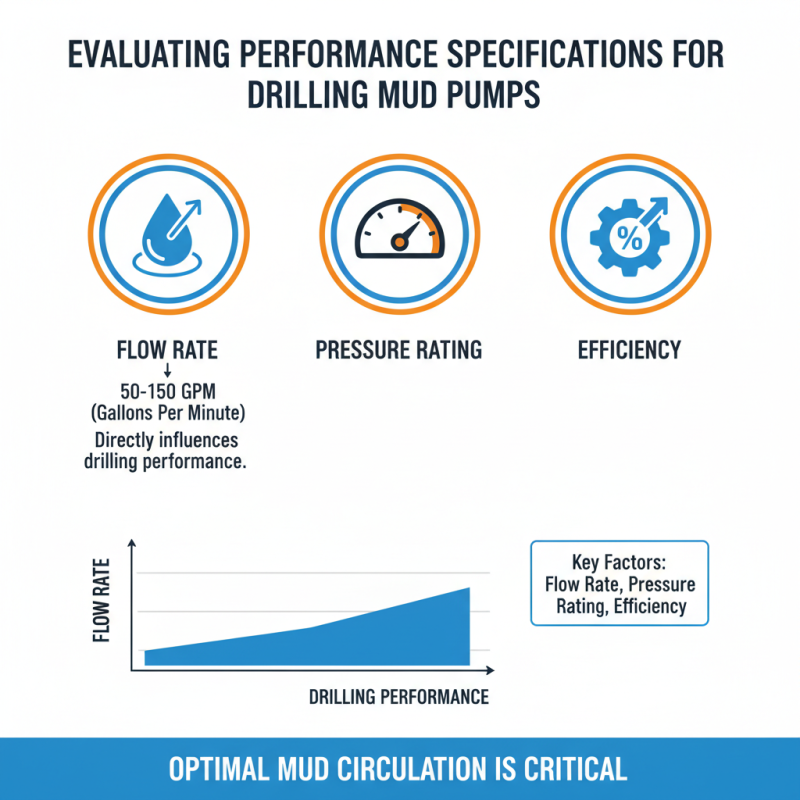
When choosing drilling mud pumps, performance specifications are critical. You need to assess key factors: flow rate, pressure rating, and efficiency. Research shows that a pump's flow rate directly influences overall drilling performance. A typical range is between 50-150 gallons per minute. Deviating from this could lead to inadequate mud circulation.
Another vital specification is the pressure rating. High-pressure pumps, usually rated from 500 to 2,000 PSI, are essential in challenging drilling environments. Low-pressure options may seem cost-effective, but they can lead to poor hole stability. Inadequate pressure can cause formation issues or mud loss, increasing overall project costs.
Efficiency ratings also matter. A pump should maintain a high efficiency of around 80% to minimize energy consumption. Reports indicate many pumps fail to achieve this. This could be a significant concern for long-term projects. Investing in pumps that promise high efficiency might save on operational costs in the long run. Assessing these specifications is not just beneficial; it’s essential for project success.
Cost-Effectiveness and Maintenance Considerations for Pump Selection
Choosing the right drilling mud pumps for your project involves careful consideration. One critical factor is cost-effectiveness. A report by the International Association of Drilling Contractors highlights that pump operational costs can represent up to 40% of total drilling expenses. This makes selecting a pump with optimal efficiency vital. Low-efficiency pumps can lead to increased power usage and higher overall costs.
Maintenance considerations cannot be overlooked. Regular maintenance can extend the life of your pump significantly. According to the American Petroleum Institute, proper maintenance can reduce downtime by up to 30%. Pumps not adequately maintained may fail unexpectedly, resulting in costly project delays. Over time, the savings from preventative maintenance can outweigh the initial investment in higher-quality pumps.
**Tip:** Always calculate the total cost of ownership when selecting pumps. This includes purchase price, maintenance, and operational costs.
Project managers often face the dilemma of balancing cost and quality. Cheaper pumps may seem attractive but may lead to higher long-term expenses. Reflect on your project needs and future maintenance requirements carefully. Focus on the potential hidden costs of lower-quality equipment.
Cost-Effectiveness and Maintenance Considerations for Drilling Mud Pumps