How to Choose the Right Safety Relief Valve for Your System?
Choosing the right Safety Relief Valve is crucial for any system. A Safety Relief Valve protects equipment from overpressure. This valve ensures safety and operational efficiency. However, the selection process can be overwhelming. There are many factors to consider.
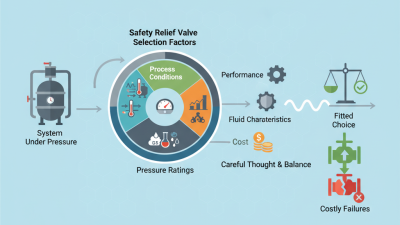
Pressure ratings and application types play pivotal roles. The valve’s set pressure must align with system requirements. Additionally, materials used can impact durability. Corrosive environments may demand special materials. Choosing the wrong type can lead to costly failures.
Understanding how these valves work is vital. Many overlook sizing mistakes, leading to inadequate protection. The wrong size compromises safety. Therefore, careful evaluation of all parameters is essential. Selecting the right Safety Relief Valve requires diligence and expertise. Making an informed choice is not just important; it’s necessary for overall safety.
Understanding the Purpose of Safety Relief Valves in Systems
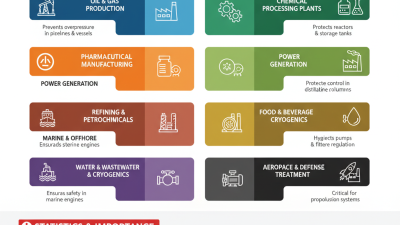
Safety relief valves play a critical role in various systems. They prevent overpressure situations that could lead to catastrophic failures. According to a report by the American Society of Mechanical Engineers, nearly 75% of industrial accidents are linked to pressure-related failures. Understanding the purpose of safety relief valves is essential to mitigate such risks effectively.
These valves work by releasing excess pressure safely. This prevents explosions and equipment damage. In a study by the National Institute for Occupational Safety and Health, 80% of surveyed facilities reported that safety relief valves reduced the likelihood of accidents. However, many operators overlook the importance of regular maintenance. This can lead to valve malfunction when needed most.
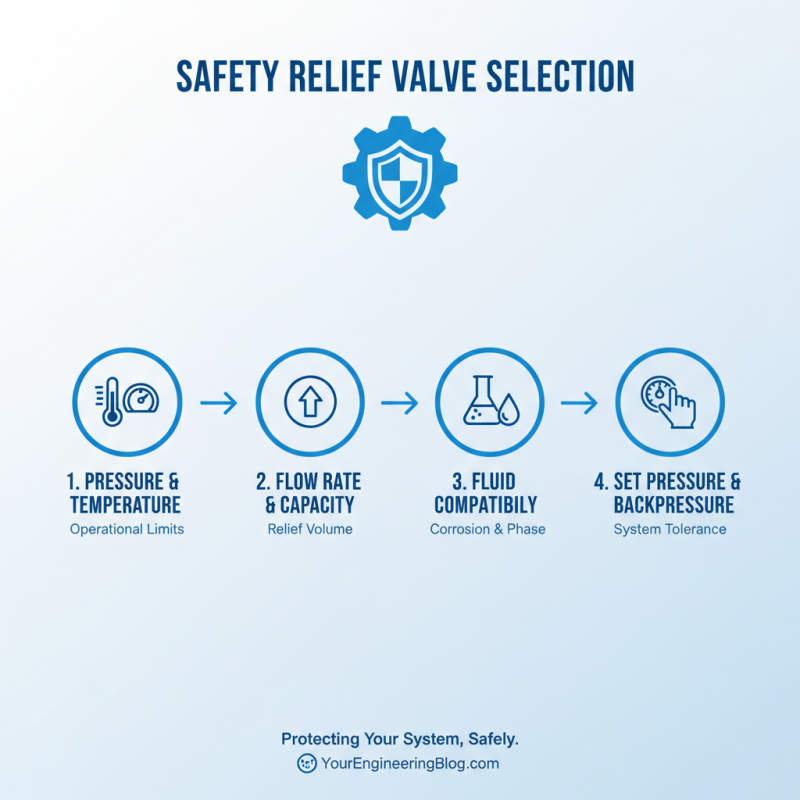
When selecting a safety relief valve, consider factors like system pressure, size, and temperature limits. A mismatch in specifications can compromise safety. Also, operators should be aware that not all valves are the same. Misunderstanding can lead to costly mistakes and safety hazards. Regular staff training can improve awareness and reduce errors.
Evaluating System Pressure and Temperature Requirements
When choosing the right safety relief valve, understanding your system's pressure and temperature requirements is crucial. Different systems have unique specifications. Assessing these parameters helps avoid over-specification or under-specification. A safety valve must match the system's operating conditions closely.
Evaluate the maximum pressure your system will encounter. This figure must be precise. Too high, and you risk valve failure. Too low, and the system may not function correctly. Next, temperature plays a vital role. High temperatures can affect materials and operational longevity. Metals expand and contract, which might impact seal integrity.
Consider the potential for fluctuations in both pressure and temperature. Your safety valve should respond effectively to unexpected changes. Many might overlook these dynamics, leading to costly mistakes. By closely examining pressure and temperature, you can choose a valve that ensures safety and efficiency. Balancing these factors is not always straightforward; it requires careful analysis and understanding of system behavior.
Material Compatibility with Fluids and Environmental Conditions
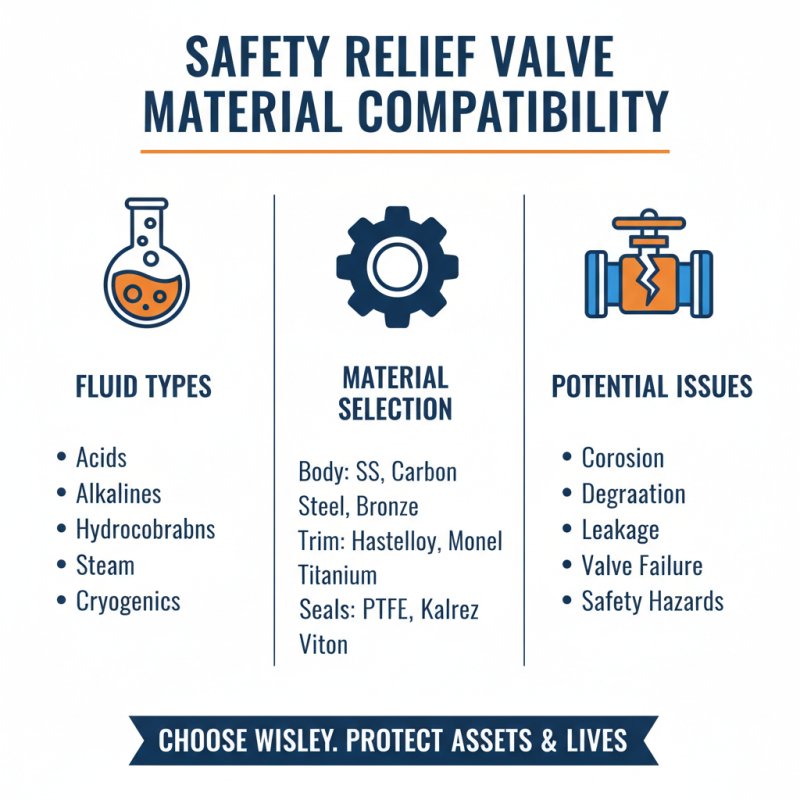
Choosing the right safety relief valve requires careful consideration of material compatibility. Different fluids can react adversely with materials. Corrosion and degradation may occur, leading to valve failure.
For instance, acids and bases might require specialized materials like titanium or certain polymers. Meanwhile, if your system handles hydrocarbons, stainless steel might suffice. Each material has its strengths and weaknesses. It's vital to understand fluid characteristics and environmental conditions.
Temperature and pressure also affect material longevity. High temps can weaken some metals, while others may become brittle. Consult material compatibility charts, but remember they’re not foolproof. Real-world testing is key. It often reveals issues that charts cannot predict. Pay attention to temperature fluctuations in your application. They can cause unexpected challenges.
Installation and Maintenance Best Practices for Safety Relief Valves
When it comes to safety relief valves, proper installation and maintenance are crucial for system reliability. According to industry reports, nearly 25% of safety valve failures stem from improper installation. This highlights the need for precise alignment and secure mounting to prevent malfunctions. Installing a valve at the wrong angle can lead to excessive vibration and premature wear. Ensure that the inlet and outlet connections are as per the specifications to maintain an effective sealing surface.
Maintenance practices are also vital. Regular inspections should include checking for corrosion or leaks. Reports indicate that routine checks can extend valve life by up to 30%. Clean the valve at least annually, especially in harsh environments. This proactive approach helps in identifying issues before they become critical. Additionally, keeping a log of valve performance can identify patterns that necessitate prompt action.
While guidelines exist, the execution can often fall short. Operators may overlook minor leaks or irregularities, thinking they are insignificant. However, these small issues can escalate, leading to larger failures. Remember, every detail matters in ensuring safety and efficiency in your system.