Explore trusted rig components for global markets
Fllow us:

Leave Your Message

Choosing the best Rig Accessories requires more than comparing prices or catalog photographs. Global buyers must examine compatibility, load ratings, corrosion resistance, certification, and after-sales support. A swivel may look suitable online, yet fail to match a rig’s thread profile or working load. Small differences can create expensive delays.
The International Energy Agency’s Oil 2024 report expects global oil-demand growth to slow significantly before 2030. This shift increases pressure on contractors to extend equipment life and reduce unplanned downtime. Deloitte’s 2024 Oil and Gas Industry Outlook also highlights efficiency, digital monitoring, and disciplined capital spending. These trends make reliable accessories more valuable, not less. Still, market reports often group accessories within wider oilfield-equipment categories. Their figures should be read carefully.
IADC technical specialist Jason McFarland offers a practical reminder: “Safety is not a slogan; it is a daily operating discipline.” Buyers should apply that principle to every accessory decision. Ask for traceable material records, inspection history, installation guidance, and realistic delivery terms. Check whether the supplier understands local service conditions, from desert dust to offshore salt spray. A cheaper clamp, hose, or lifting component may become costly after one failed inspection.
The difficult part is admitting that no universal checklist fits every rig. Brand familiarity can mislead. So can an attractive specification sheet. The strongest purchasing process combines field experience, engineering review, independent verification, and supplier accountability. This guide explains how global buyers can compare Rig Accessories with clearer evidence and fewer assumptions.

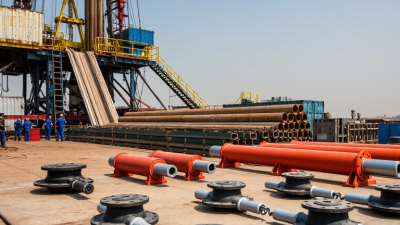
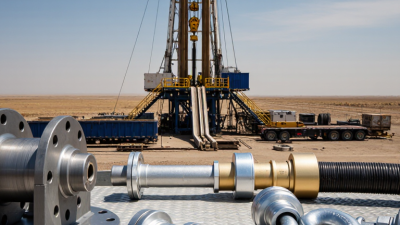
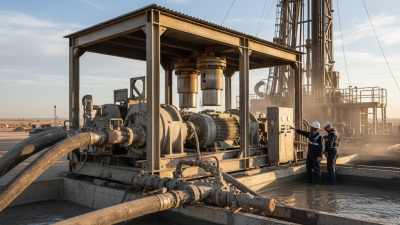
Rig accessories should be defined by the equipment they serve, not by appearance. A drilling rig may require fluid hoses, rotary swivels, clamps, and filtration units. Lifting rigs need rated slings, hooks, load indicators, and stabilizing components. Service rigs often require pressure-control accessories, lighting, tool storage, and reinforced platforms. Each item must match the rig’s capacity, connection method, and movement range. Fit matters.
Start with operating data, not a supplier’s product list. Record maximum load, working pressure, torque, temperature, and duty cycle. Then examine the worksite. Cold regions can make seals brittle, while dusty locations can shorten filter life. Offshore operations may demand stronger corrosion resistance. Manual handling also deserves attention, because heavy accessories increase injury risks and downtime.
Do not trust a perfect-looking specification sheet. Ask for material details, test records, maintenance instructions, and traceable inspection documents. Local safety requirements may differ, so buyers should verify certification with qualified authorities. In field purchasing, I have seen teams select a connector by diameter alone. It fitted initially, but vibration damaged the joint after repeated use. That small oversight became an expensive lesson. A perfect checklist does not exist. Recheck compatibility after transport, installation, and the first operating cycle.
| Equipment Type | Operating Need | Recommended Rig Accessory | Key Selection Criteria | Typical Specification or Capacity | Primary Benefit | Priority for Purchase |
|---|---|---|---|---|---|---|
| Rotary Drilling Rig | Transfer rotary torque while maintaining alignment between the drive head and drill string. | Rotary swivel and drive-line adapter | Match thread form, maximum torque, spindle size, rotation speed, sealing method, and connection geometry. | Torque: 5–50 kN·mSpeed: 0–180 rpm | Improves power transmission and reduces vibration, thread damage, and unplanned downtime. | High |
| Rotary Drilling Rig | Supply drilling fluid or compressed air through the drill string. | Drill-fluid swivel | Check working pressure, flow rate, fluid compatibility, internal passage diameter, and seal serviceability. | Pressure: 10–35 MPaFlow: 100–600 L/min | Maintains continuous circulation for cooling, cuttings removal, and borehole stability. | High |
| Percussion or DTH Rig | Deliver compressed air to a down-the-hole hammer under dusty and abrasive conditions. | High-pressure air hose and safety whip check | Select the correct pressure rating, bore size, bend radius, abrasion cover, temperature range, and end fittings. | Pressure: 1.0–3.5 MPaBore: 25–100 mm | Reduces air leakage and helps prevent hose movement or separation during operation. | High |
| Percussion or DTH Rig | Control exhaust air, dust, and noise near the drilling point. | Dust collector and cyclone separator | Evaluate air volume, filtration efficiency, filter-cleaning method, dust type, and local emission requirements. | Airflow: 2,000–12,000 m³/hFilter: Cartridge or bag | Improves visibility, protects operators, and limits airborne particulate exposure. | High |
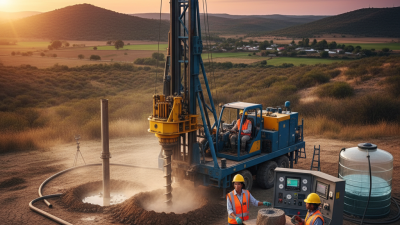
| Water-Well Drilling Rig | Prevent uncontrolled flow of formation water, mud, or cuttings at the borehole opening. | Borehole control head and diverter | Match casing diameter, pressure rating, sealing arrangement, discharge direction, and expected formation pressure. | Casing range: 114–406 mmPressure: 0.7–3.5 MPa | Improves site safety and supports controlled return-flow management. | High |
| Water-Well Drilling Rig | Lift drill rods and casing during tripping operations. | Elevator, rod clamp, and casing tong | Verify pipe outside diameter, rated lifting load, jaw profile, locking mechanism, and compatibility with pipe material. | Load: 50–250 kNPipe OD: 42–406 mm | Speeds up handling while lowering the risk of dropped tubulars and thread damage. | High |
| Core Drilling Rig | Recover intact geological samples with minimum vibration and fluid loss. | Core barrel and wireline overshot | Choose the core diameter, barrel length, inner-tube clearance, bearing arrangement, and rod system. | Core size: 27–85 mmBarrel length: 1.5–3.0 m | Improves sample recovery and reduces the need to withdraw the entire drill string. | High |
| Core Drilling Rig | Maintain a stable fluid path for cooling and removal of cuttings. | High-pressure water pump and mixing tank | Match pump pressure, flow, abrasive-fluid tolerance, electrical or engine power, and tank volume. | Pressure: 2–10 MPaFlow: 20–150 L/min | Controls bit temperature and extends diamond-bit service life. | Medium |
| Foundation or CFA Rig | Install piles while monitoring depth, torque, crowd force, and concrete placement. | Digital drilling-data logger | Confirm sensor inputs, sampling rate, data export format, display visibility, and enclosure protection. | Sampling: 1–10 HzProtection: IP65 or higher | Creates traceable installation records and helps identify changes in ground conditions. | Medium |
| Foundation or CFA Rig | Handle long auger sections and casing safely in restricted work zones. | Auger guide, casing oscillator interface, and lifting sling | Check working load limit, maximum diameter, attachment geometry, sling angle, and site lifting regulations. | Load: 20–150 kNDiameter: 300–1,500 mm | Improves alignment and reduces manual handling during assembly and extraction. | High |
| Geotechnical Sampling Rig | Obtain representative soil samples for classification and laboratory testing. | Split-spoon sampler and sampling tubes | Select sampler diameter, liner material, recovery length, thread connection, and soil type suitability. | Common length: 450–750 mmTube OD: 44–108 mm | Supports consistent sampling and improves comparability between boreholes. | High |
| Geotechnical Sampling Rig | Measure penetration resistance during standard field testing. | Automatic hammer and calibrated anvil | Check impact energy, drop height, release consistency, counter accuracy, and calibration documentation. | Drop height: 750 mmHammer mass: 63.5 kg | Improves test repeatability and reduces operator-dependent variation. | Medium |
| Hydraulic Rig | Protect hydraulic circuits from pressure spikes, contamination, and heat. | Hydraulic hose assembly, filter, and pressure gauge | Match pressure class, impulse rating, hose bore, fitting standard, filtration grade, and temperature range. | Pressure: 20–35 MPaFilter: 10–25 µm | Reduces component wear and helps operators detect abnormal system conditions early. | High |
| All Rig Types | Maintain safe operation in changing weather, dust, vibration, and remote locations. | Emergency-stop system, guarding, and LED work lighting | Review electrical voltage, ingress protection, emergency-stop access, light output, and regional safety requirements. | Protection: IP65–IP67Lighting: 3,000–10,000 lm | Improves visibility, access safety, and response time during abnormal events. | High |
| All Rig Types | Support reliable maintenance and reduce delays caused by wear parts or incorrect fittings. | Service tool kit, spare seal kit, and thread-protection set | Base contents on the rig’s connection standards, duty cycle, climate, service interval, and transport limitations. | Recommended stock: 1–2 service cyclesStorage: Sealed and labeled | Shortens repair time and protects threads, seals, and critical interfaces during transport. | Standard |