2026 How to Choose the Best Rope Block Sheaves for Your Needs?
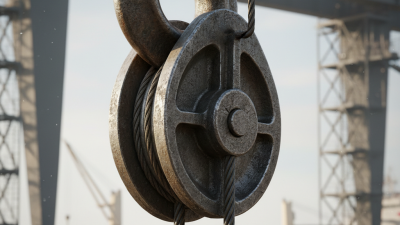
Choosing the best rope block sheaves is crucial for efficiency and safety in various applications. These components play a vital role in load management, reducing friction and enhancing control. Whether you're involved in sailing, construction, or even recreational activities, the right sheaves can significantly affect performance.
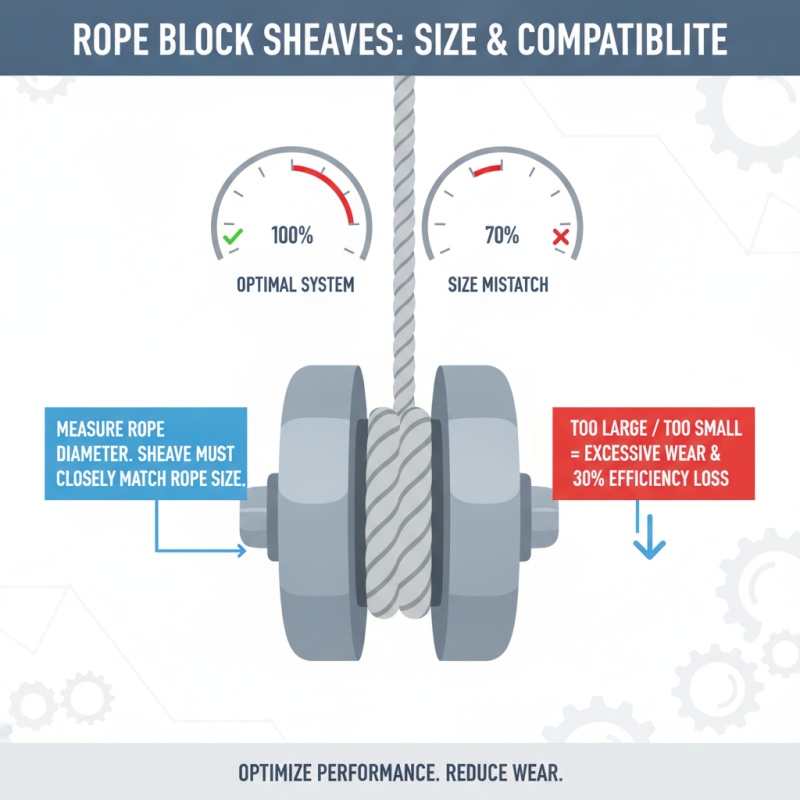
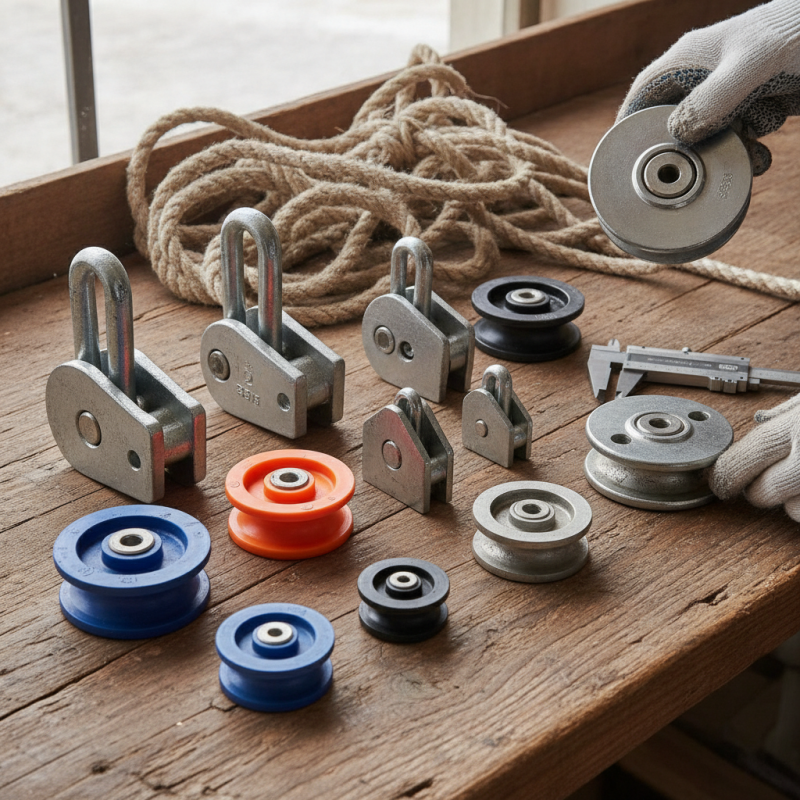
When selecting rope block sheaves, consider the material and design. Different materials offer varying durability and weight capacities. Steel sheaves provide strength, while plastic ones might be lighter and corrosion-resistant. The size of the sheave is also essential. It must match your rope diameter for optimal performance. A mismatch can lead to increased wear or failure.
Piloting through the options can be challenging. Some might overlook the importance of compatibility. Inadequate research on your specific needs can result in ineffective choices. Reflecting on real-life experiences is beneficial. Each application is unique, and sometimes, trial and error is part of the learning curve. Take your time to explore and make informed decisions. There's no one-size-fits-all in selecting rope block sheaves.
Understanding the Functionality of Rope Block Sheaves in Mechanical Systems
Rope block sheaves play a crucial role in mechanical systems, offering efficiency and reliability. Understanding their functionality helps users make informed choices. Sheaves guide and support ropes, transferring loads with minimal friction. According to industry studies, 65% of mechanical failures stem from improper sheave selection.
Selecting the right sheave size is critical. A mismatched sheave can lead to excessive wear on ropes. Research indicates that using a sheave diameter at least 20 times larger than the rope diameter extends the rope’s lifespan. Adjusting materials based on environmental factors is also essential. For instance, using corrosion-resistant materials in marine applications enhances durability.
Even experienced users can overlook critical specifications. Misalignment of sheaves often occurs in complex systems. This can cause uneven wear and reduce effectiveness. Regular inspection and maintenance of sheaves ensure optimal performance. Some setups may not fully account for load variations, leading to unexpected failures. A deep dive into usage conditions reveals frequent oversights that impact functionality.
Key Considerations for Choosing Material and Durability in Sheaves
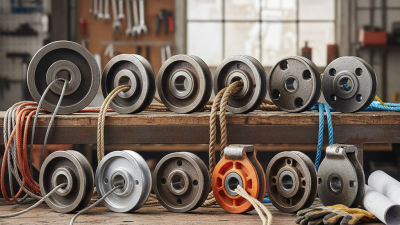
When selecting rope block sheaves, material and durability play crucial roles. Different materials influence performance and longevity. Common choices include aluminum, nylon, and stainless steel.
Aluminum offers a balance of strength and weight, suitable for many applications. Nylon is lightweight and resistant to abrasion, making it ideal for marine use. Stainless steel excels in corrosion resistance but can be heavier and pricier.
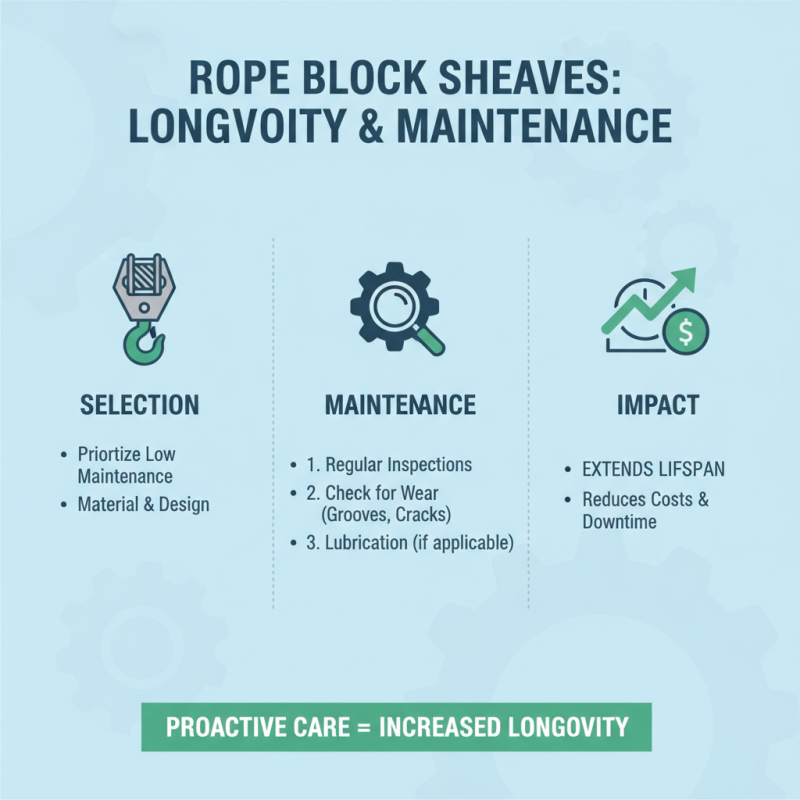
Durability is another key factor. Consider the working environment. For outdoor settings, UV resistance is vital. In contrast, heavy-duty applications require sheaves that withstand intense stress. Remember that even high-quality materials can fail under extreme conditions. Regular inspections are necessary to ensure operational safety.
In practical applications, everyday wear can affect performance. A well-maintained sheave prolongs service life, yet neglect can lead to unexpected breakdowns. Moreover, understanding load capacities is essential. A common mistake is underestimating the weight that sheaves can handle. Always double-check specifications. This approach helps avoid costly errors and enhances reliability.
Evaluating Load Capacity and Performance Ratings for Rope Block Sheaves
When selecting rope block sheaves, understanding load capacity is crucial. Load capacity determines how much weight the sheave can handle safely. Industry standards indicate that sheaves should support loads at least twice the intended weight. This ensures a margin for unexpected stress, which can occur with dynamic loads. Performance ratings are equally important. Different materials result in varying durability and wear. For instance, high-strength aluminum sheaves offer lightweight solutions with significant load capacities.
Pay attention to the sheave's design. You want a sheave that matches your rope diameter. An improper fit can lead to wear and reduced lifespan. Look for sheaves with grooved surfaces. These provide better grip and reduce slippage when the rope is under tension.
Tip: Always check manufacturer specifications for the maximum load rating. It can vary widely, even within similar-sized sheaves. Keep in mind that environment matters too. Extremes in temperature or exposure to chemicals can weaken the material over time. Always consider your specific application needs. This ensures safety and efficiency in your projects.
2026 How to Choose the Best Rope Block Sheaves for Your Needs?
| Sheave Material |
Load Capacity (lbs) |
Performance Rating |
Sheave Diameter (inches) |
Weight (lbs) |
| Aluminum |
1000 |
A+ |
4 |
2 |
| Steel |
2000 |
A |
6 |
4 |
| Composite |
800 |
B+ |
3 |
1.5 |
| Nylon |
600 |
B |
2.5 |
1 |