How to Choose the Best Well Drilling Equipment?
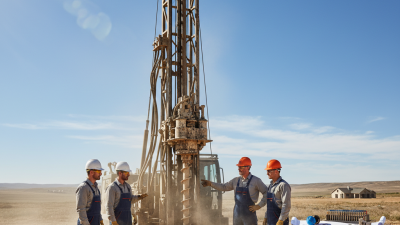
Choosing the right Well Drilling Equipment begins with understanding the ground, not browsing a product catalogue. Soil density, rock hardness, groundwater depth, borehole diameter, and project access each influence the final decision. A compact rotary rig may suit a restricted residential site, while a deeper fractured-rock project may require greater torque, compressor capacity, and lifting strength. The wrong match can cause slow penetration, unstable walls, excessive wear, or expensive downtime.
Dr. John E. Driscoll, a respected groundwater and well-construction specialist, offered a practical principle: “Choose equipment for the formation, not for the brochure.” That advice remains valuable. Buyers should examine drilling records, manufacturer specifications, service support, and the operator’s field experience. Pump pressure, mast capacity, rod size, flushing systems, and spare-part availability deserve close attention. Small details matter.
The best choice is rarely the largest machine. It is the system that performs reliably within the site’s real limits. Consider fuel use, transport weight, noise, maintenance access, and operator safety. Ask how the rig behaves after hundreds of operating hours, not only during a showroom demonstration. Some recommendations may appear convincing but lack local evidence. That deserves skepticism. An honest evaluation should also acknowledge uncertainty, especially when geological data is incomplete. Careful planning, professional inspection, and realistic performance expectations create a stronger foundation for selecting Well Drilling Equipment that is efficient, durable, and suitable for the work ahead.
Define Well Drilling Goals, Depth, Ground Conditions, and Water Requirements
How to Choose the Best Well Drilling Equipment?
Choose equipment only after defining the well’s purpose. A household supply well differs from an irrigation, monitoring, or geothermal project. Record the target yield, daily demand, static water level, and required completion depth. UNESCO’s 2022 World Water Development Report states that groundwater provides nearly half of global drinking water. It also supplies about 40% of irrigation water worldwide. These figures make water demand a design input, not an afterthought.
Depth directly affects mast capacity, drill-string length, compressor output, and lifting systems. The 2015 U.S. Geological Survey water-use report found that groundwater supplied 42% of national irrigation withdrawals. Irrigation wells may therefore require higher flow rates than domestic wells. Ground conditions matter just as much. Soft clay can cause wall collapse, while fractured rock may reduce drilling stability and water recovery. Loose sand often requires careful casing placement and fluid control. Small errors matter.
Review geological maps, nearby well logs, and local hydrogeological records before selecting the rig. Match the drilling method to the formation, not to habit. Rotary systems may suit deep formations, while air-driven methods can perform well in competent rock. Confirm pump testing requirements early. A rig that reaches the planned depth may still lack enough torque or circulation capacity. One uncomfortable lesson remains: published ground data can be incomplete, and field conditions may change within a few metres. Allow contingency capacity, but avoid buying equipment based only on the worst assumption.
Compare Major Types of Well Drilling Equipment
Choosing well drilling equipment starts with the ground, not the machine. Soil layers, rock hardness, groundwater depth, and access space determine the practical options. A site investigation should guide the decision. Skipping this step can create costly delays.
Rotary drilling uses a rotating bit and works efficiently through many soil and rock formations. Mud circulation carries cuttings upward and can help stabilize loose boreholes. However, drilling fluid requires careful control and proper disposal. Air rotary or down-the-hole drilling performs well in hard rock. It produces clean, fast-cutting action and clear geological samples. Dust control becomes important, especially near homes or livestock.
Cable tool rigs use repeated lifting and dropping motions. They are slower, but their simple structure can suit shallow wells and small projects. They also allow crews to observe cuttings clearly. Sonic drilling uses high-frequency vibration to reduce friction around the drill string. It can produce high-quality samples, although equipment costs and operator skill may be higher. Mud rotary may outperform it in some soft formations.
The best choice is rarely the most powerful one. It must match the borehole design, water target, transport limits, and crew experience. I have seen equipment plans fail because access was measured too late. A compact rig may reach a site, but not handle deeper casing. Ask for maintenance records, drilling logs, safety procedures, and realistic production rates before approving a purchase. Supplier claims should be checked against local ground conditions and independent technical advice.
How to Choose the Best Well Drilling Equipment?
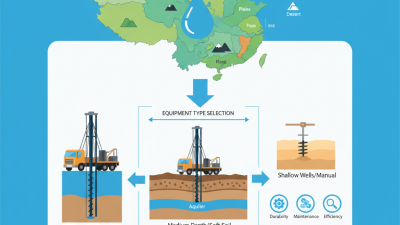
Compare Major Types of Well Drilling Equipment by Typical Practical Drilling Depth
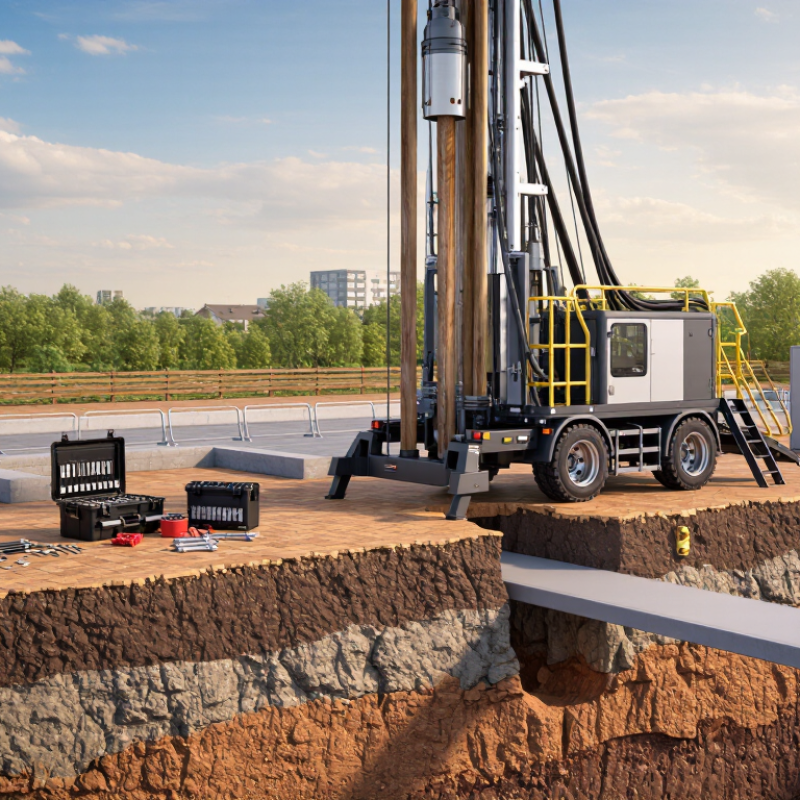
Rotary mud rigs are commonly selected for deeper formations and larger-diameter water wells. Cable-tool rigs are slower but can be effective in unconsolidated formations. Down-the-hole hammer systems are well suited to hard rock, while sonic rigs provide high-quality samples and reduced borehole disturbance. Actual depth depends on geology, casing design, drilling diameter, water conditions, and site regulations.
Evaluate Key Equipment Specifications and Drilling Capabilities
Choosing well drilling equipment requires more than comparing horsepower. Evaluate the machine against the ground conditions, target depth, and required borehole diameter. A compact rotary rig may suit soft clay, while fractured rock demands stronger torque and impact capacity. Check rated drilling depth carefully. Manufacturers often quote maximum figures under ideal conditions.
Inspect the mast, feed system, pump capacity, and engine output. Feed force affects penetration through dense formations. Mud pumps should deliver enough flow to remove cuttings without eroding fragile formations. Monitor torque and rotation speed during operation. Stable readings usually indicate suitable tool control. Excessive vibration may signal poor alignment, worn tooling, or unsuitable drilling parameters. Field experience matters here, because specifications cannot predict every layer underground. I once underestimated gravel content, and production slowed sharply. That mistake changed how I assess site reports.
Tips: Match the drill bit to the formation, not just the planned depth. Confirm transport weight, service access, noise limits, and available water supplies before purchase. Ask for test data from similar geological projects. Review maintenance intervals and spare-part availability with qualified technicians. Keep a written drilling log with depth, pressure, torque, and penetration speed. These records support safer decisions and reveal performance problems early. Also, leave room for uncertainty. Geological surveys can be incomplete, and the most expensive assumption is often the one left untested.
Assess Power Systems, Mobility, Safety, and Operating Costs
Choosing well drilling equipment begins with the power system. Match engine output to formation hardness, drilling depth, and pump demand. A machine that sounds powerful may still struggle under continuous load. Diesel systems suit remote sites, but fuel storage and exhaust control add work. Electric systems run quietly and support cleaner indoor operations. They need dependable grid access or a correctly sized generator. Hybrid setups can reduce idle fuel use, though their controls may require specialized training. Check torque curves, not only peak horsepower. Peak figures can mislead.
Mobility matters when access roads are narrow, muddy, or steep. Compare transport width, ground clearance, turning radius, and setup time. Crawler-mounted rigs offer stability, while truck-mounted units move quickly between locations. That convenience can disappear on soft ground. Before drilling, inspect mast locks, emergency stops, guards, hoses, and lifting points. Confirm that operators can see the work zone clearly. Use documented training and task-based checklists. Noise, dust, water pressure, and falling objects need controls. Small oversights become expensive incidents.
Operating cost extends beyond purchase price. Estimate fuel or electricity, drill rods, bits, filters, lubricants, transport, labor, and scheduled service. Ask how quickly common wear parts can be inspected and replaced. Downtime often costs more than a modestly higher energy bill. Keep maintenance records with hours, pressure readings, and recurring faults. They reveal patterns that memory misses. A practical evaluation should test the rig on representative ground before purchase. A brochure cannot show every vibration, delay, or awkward adjustment. Leave room for uncertainty. Real ground conditions rarely follow the spreadsheet.
Select, Inspect, and Maintain the Equipment for Long-Term Use
Choosing well drilling equipment begins with the ground, not the catalog. Study soil reports, expected depth, water conditions, and access limitations before selecting a rig. A compact rig may suit soft soil, but fractured rock demands stronger torque and better dust control. Match the drill pipe, bit, mud pump, and compressor to the formation.
Fit matters. Inspect the mast, winch, hydraulic lines, and emergency controls before every shift. Look for cracked welds, loose bolts, oil leaks, and damaged guards. Check hose connections carefully. A small leak can become a serious failure under pressure. Measure bit wear and confirm that gauges provide consistent readings. Calibration records add useful evidence during later inspections.
Maintenance should follow the operating manual and actual site conditions. Clean filters daily in dusty areas, grease moving joints at scheduled intervals, and drain moisture from air systems. Replace worn seals before they damage larger components. Keep a simple log with operating hours, pressure readings, repairs, and unusual vibration. Records matter.
I once underestimated how quickly abrasive sand could wear a bit. The drilling slowed, fuel use increased, and the crew lost valuable time. That mistake changed my inspection routine. Still, no checklist is perfect. Operators should pause when the machine sounds different, even when production pressure is high. Training, documented procedures, and independent inspections support safer, more reliable equipment selection and long-term use.