How to Choose the Right Well Drilling Machine for Your Needs?
Choosing the right Well Drilling Machine is crucial for any project involving groundwater extraction. The global well drilling industry is projected to grow significantly, driven by rising water demand and infrastructural developments. According to a report by Market Research Future, the market for drilling machines is expected to reach $6.5 billion by 2025. Selecting the appropriate equipment can greatly impact project efficiency and costs.
"Each project has unique requirements,” says Dr. Elaine Carter, a well drilling expert with over 20 years of experience. She emphasizes the importance of matching machine capabilities with specific needs. For instance, different terrains and water depths require varying drilling technologies. Not all machines perform equally across all scenarios. Misalignment between equipment and project requirements can lead to costly delays and suboptimal results.
Understanding these nuances is essential for successful drilling operations. Potential buyers often underestimate the significance of machine choice. A thorough assessment of project needs—such as soil conditions and depth—helps in making informed decisions. Quality matters. Investing time in selecting the best Well Drilling Machine can save resources in the long run and contribute to project success.
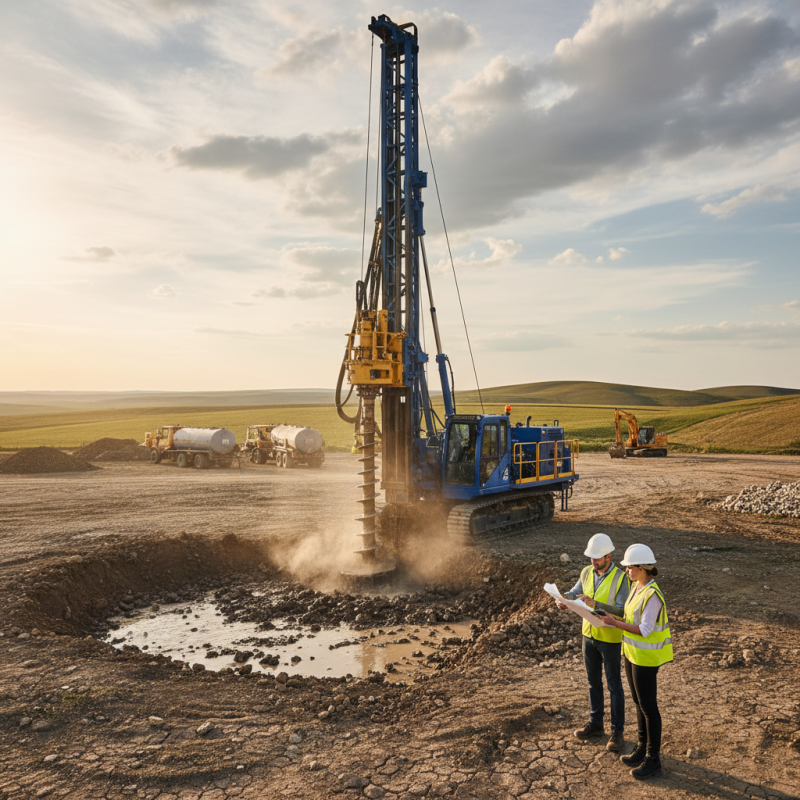
Understanding Your Well Drilling Requirements
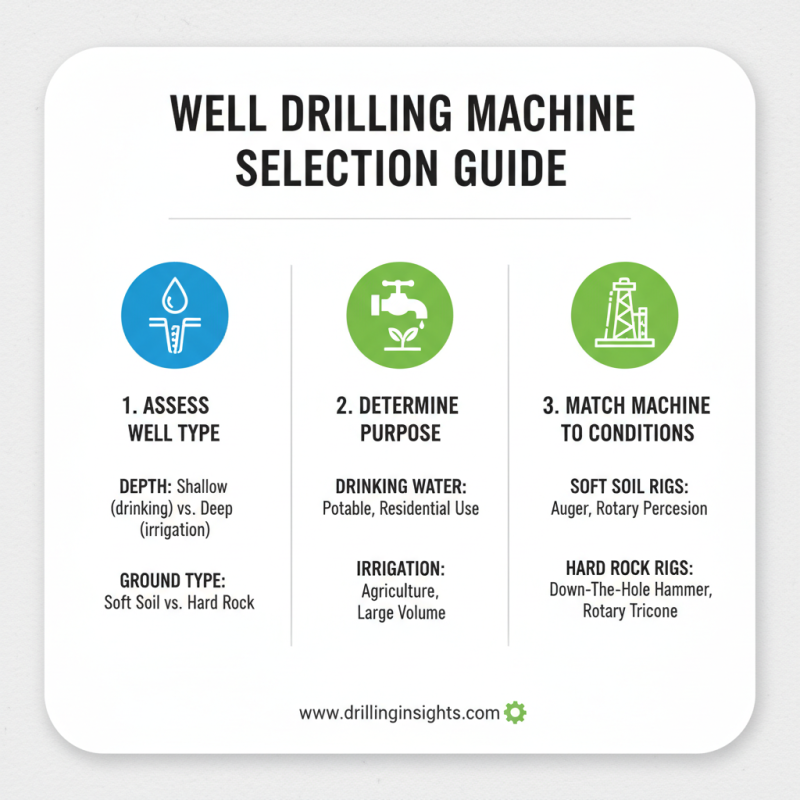
When selecting a well drilling machine, understanding your specific requirements is crucial. Start by assessing the depth and type of well you need to drill. Is it for drinking water or irrigation? Knowing the purpose affects the choice of machinery. Different machines excel in different conditions. For example, some work well in soft soil, while others are designed for rocky terrain.
Consider your operational capacity as well. How often will you use the machine? If it’s a one-time project, a more affordable option might suffice. But if drilling is frequent, investing in a durable machine could save you money in the long run. Reflect on power sources as well, such as electric or diesel. Each has its pros and cons.
Don’t forget to think about portability. A compact machine is beneficial if you have limited space. However, a larger model might offer better performance. It's essential to evaluate where you will use it. Ultimately, your needs should guide your decision. This approach can seem overwhelming, but breaking it down into categories helps simplify the process.
Types of Well Drilling Machines Available
When selecting the right well drilling machine, understanding the types available is crucial. There are primarily three categories: rotary drilling rigs, cable tool rigs, and air rotary rigs. Each has distinct advantages tailored to different soil and rock conditions.
Rotary drilling rigs are versatile and can penetrate hard materials. They often use mud to lubricate the bit. According to an industry report, this type can drill depths exceeding 5,000 feet. However, they can be expensive and may require specialized training to operate effectively.
Cable tool rigs, on the other hand, are effective in softer soils. They operate by repeatedly lifting and dropping a heavy bit. While reliable for shallow wells, their speed is limited. Data indicates that they can drill between 100 to 500 feet daily under optimal conditions. Despite their simplicity, achieving deeper wells can be a challenge.
Air rotary rigs are known for their speed and efficiency. They use compressed air to remove cuttings. This makes them suitable for various geological conditions. Recent trends show that about 30% of new wells utilize this technology. However, these machines can struggle in saturated soils, leading to unexpected downtime.
Choosing the right machine requires careful consideration of your specific needs and conditions. Evaluating the cost, ease of operation, and soil types will enhance decision-making. Each type has its strengths and weaknesses, making it essential to align choices with project requirements.
Key Features to Consider When Choosing a Machine
Choosing the right well drilling machine
is crucial for success. Start by evaluating the type of soil and rock you'll be facing. Different machines excel in various conditions.
A rotary drill is great for hard rock, while a percussion drill can handle softer materials.
Ensure the machine's specifications match your drilling environment.
Power and portability are key features. A powerful machine can operate efficiently at greater depths.
However, it should not be too heavy to transport easily. Think about the dimensions and weight.
Smaller units might be beneficial for tight spaces. They often come with limited capabilities,
but they can get the job done without hassle.
Don’t forget the ease of maintenance. A machine that’s complex can lead to downtime and frustration.
Look for user-friendly designs and accessible components. Regular checks and upkeep are essential.
Address potential issues before they become significant problems.
Assess your experience level. If you’re new, a simpler machine may be more practical.
Assessing Your Budget and Cost of Ownership
When selecting a well drilling machine, budget considerations are critical. The initial purchase price is just one part of the equation. A comprehensive report indicated that ownership costs can account for up to 30% of the total expenses over a machine’s lifespan. This includes maintenance, fuel, and repairs. For instance, routine maintenance can range from $500 to $1,500 annually, depending on the machine's complexity.
Fuel consumption also impacts your wallet. Different types of drilling machines have varying fuel efficiencies. Some models consume as much as 10 gallons per hour. Over a year, if you operate 40 hours a week, this adds up quickly. Moreover, hiring a skilled operator may be necessary for optimal operation. Their salaries can significantly influence your budget.
Consider the resale value too. Not all machines hold value the same way. Some depreciate rapidly, losing almost 50% of their worth within five years. This is a crucial aspect to ponder. A machine that seems affordable might cost significantly more when you account for ownership and resale. Thoroughly assessing these factors ensures a more informed decision, which reduces long-term financial stress.
Maintenance and Support for Well Drilling Machines
When choosing a well drilling machine, maintenance and support play crucial roles. Proper upkeep can prevent costly breakdowns. A study shows that unmaintained machines can lead to a 20% decrease in efficiency. Regular service checks ensure longevity and optimum performance. It’s vital to have a reliable team for emergency assistance.
Documentation is often overlooked. Many operators lack clear records of maintenance schedules. This can create problems when troubleshooting. A simple logbook can track repairs and servicing. Consistent updates help identify patterns in machine performance. It's essential to analyze these data points. A strong relationship with support services enhances confidence in operations.
Field conditions vary widely. Machines may need to adapt to different terrains and depths. Regular check-ups can expose hidden issues before they escalate. Statistics indicate that 30% of failures come from wear and tear. Operators need to address signs of fatigue early. The right support network can significantly reduce downtime. Experts recommend routine inspections every few months, depending on usage intensity.