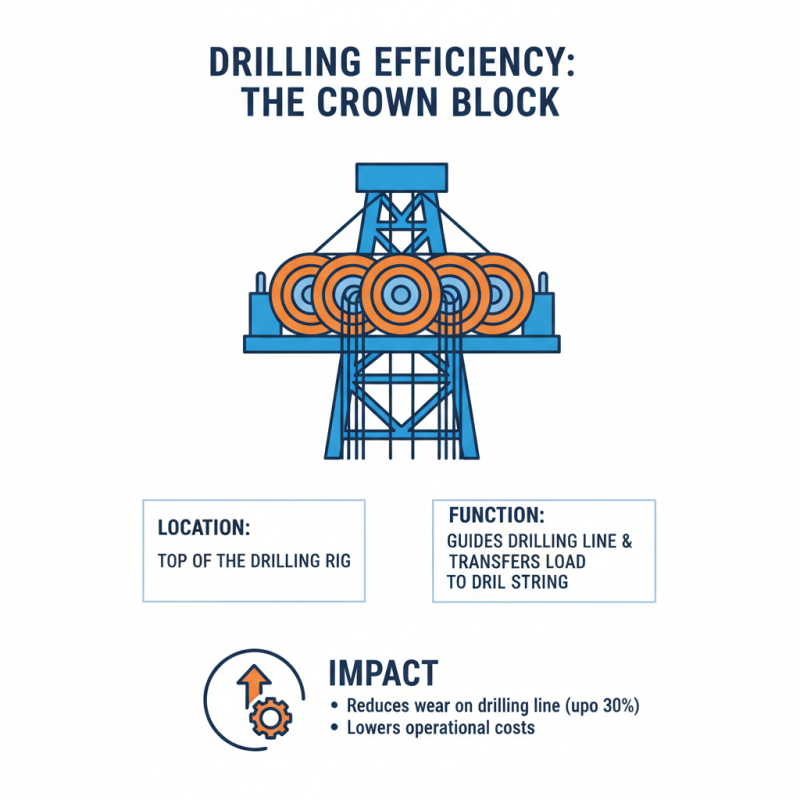
Explore trusted rig components for global markets
Fllow us:

  • shabang03
Leave Your Message

What is a Crown Block in Drilling Operations?

In the realm of drilling operations, Crown Blocks play a pivotal role in the transportation of drilling loads. These blocks are part of the hoisting system and transfer the weight of the drill string. According to industry reports, nearly 50% of drilling equipment failures can be traced back to hoisting system components, emphasizing their critical nature.

Crown Blocks consist of multiple sheaves and are designed to withstand immense stress. They assist in lowering and raising the drilling tools efficiently. With rig capacities often exceeding 1,500 tons, the importance of robust Crown Blocks cannot be overstated. These structures must be carefully maintained to ensure safety and operational efficiency.

While technological advancements have improved their design, the challenges persist. Operators must regularly inspect and replace worn components. Neglect can lead to catastrophic failures, impacting productivity and safety. It is crucial to reflect on maintenance practices and invest in training to prevent such occurrences. The reliance on these essential components underscores the need for diligence in their upkeep.
What is a Crown Block in Drilling Operations?

Definition of a Crown Block in Drilling Operations

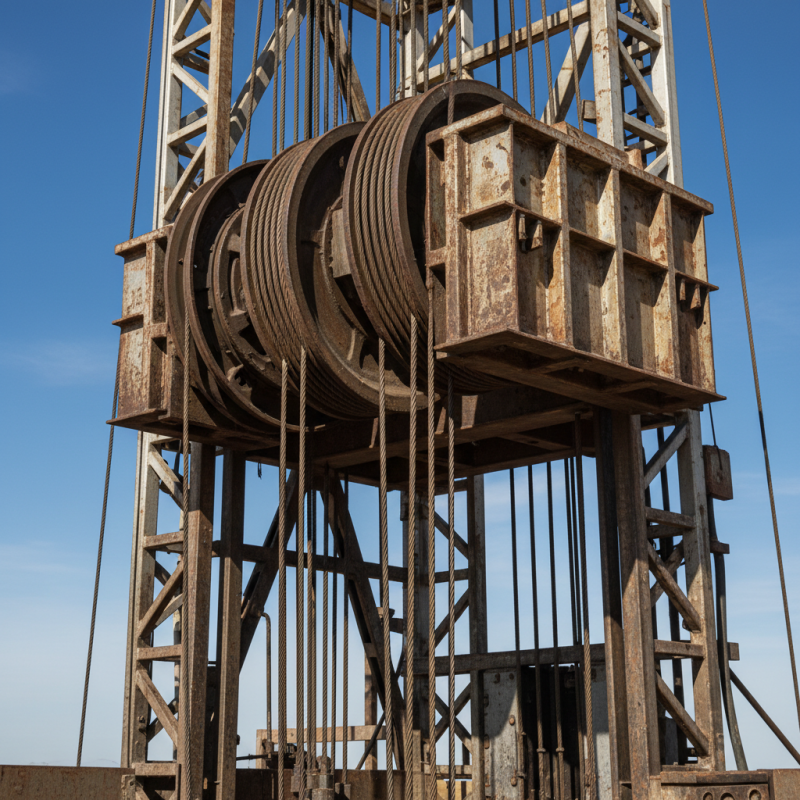
The crown block is an essential component in drilling operations. It facilitates the movement of the drilling line. This block is positioned at the top of the drilling rig. It supports the weight of the drilling system and helps guide the wireline.

Typically, the crown block features multiple sheaves. These sheaves allow for smooth and efficient cable operation. This process is critical when raising or lowering the drill bit. Proper maintenance of the crown block is crucial. Neglect can lead to severe equipment failures.

**Tip:** Regularly inspect the sheaves for signs of wear and tear. Replace any damaged parts promptly to avoid complications.

Understanding the crown block's role can enhance operational safety. It’s not just about function; it’s about reliability. Operators must be familiar with its mechanics. Errors can lead to drilling mishaps. Everyone must take responsibility for the equipment's integrity.

**Tip:** Always document maintenance and inspection findings. This practice helps track the crown block's condition over time. It also provides insight into potential issues before they escalate.
Crown Block Usage in Drilling Operations

This chart depicts the utilization hours of the crown block in drilling operations over the past four years. Increased use indicates improved efficiency and operational capability in drilling activities.

Function and Purpose of the Crown Block

What is a Crown Block in Drilling Operations?

The crown block is a critical component in drilling operations, playing a vital role in the overall efficiency of the drilling process. Typically located at the top of the drilling rig, it consists of multiple sheaves or pulleys. These sheaves guide the drilling line, transferring the load from the rig to the drill string. According to industry reports, a properly maintained crown block can reduce wear on the drilling line by up to 30%, significantly influencing operational costs.

One of the key purposes of the crown block is to support the weight of the drill string and manage tension effectively. When drilling, the forces involved can be immense, with weights reaching thousands of pounds. A failure in this system can lead to catastrophic results, including damaged equipment and halted operations. For instance, a report by the American Petroleum Institute highlighted that about 20% of drilling incidents occur due to issues with lifting and hoisting equipment, which includes the crown block.

Additionally, the crown block can impact the overall drilling performance. Inefficiencies in this area can lead to longer drilling times and increased costs. A recent study indicated that optimizing the crown block setup could potentially enhance drilling speed by 15%. However, achieving this requires careful monitoring and regular maintenance. Recognizing that even minor issues can escalate is crucial for drilling teams aiming to minimize downtime and maximize productivity.

Components of a Crown Block Assembly

What is a Crown Block in Drilling Operations?

A crown block is essential in drilling operations. It plays a crucial role in the hoisting system. The crown block assembly, typically mounted on the rig's drilling mast, consists of several key components. These include sheaves, bearings, and a frame, all designed to handle significant loads.

The sheaves are crucial; they guide the drilling line and reduce friction during operations. Typically, sheaves are made of durable materials like steel or reinforced composites. They can sustain loads of up to 500 tons. Bearings facilitate smooth rotation, which minimizes wear. The frame supports all components and must be robust enough to endure harsh drilling conditions. Excessive wear can lead to mechanical failure, making maintenance vital.

Despite their reliability, crown blocks can face issues. Over time, the impact of drilling can create misalignment. Additionally, wear and tear may not be immediately visible. Regular inspections are crucial. A study noted that 30% of drilling downtime is linked to equipment failure, including crown blocks. Proper lubrication and timely replacements can prevent significant problems, enhancing operational efficiency.

Operational Safety Considerations for Crown Blocks

Crown blocks play a vital role in drilling operations, but their safety cannot be overlooked. Data from the International Association of Drilling Contractors shows that equipment failure is a leading cause of incidents on rigs. Many feature safety mechanisms, yet human error often leads to mishaps. Operators must be diligent in conducting regular inspections to identify potential hazards.

Operational safety considerations are paramount. For instance, the Occupational Safety and Health Administration recommends training crew members on proper rig operations. Despite these recommendations, many still lack adequate training. This gap creates an environment where preventable accidents can occur. It's worth noting that companies can experience downtime due to unforeseen failures, resulting in significant financial losses.

Another concern is the maintenance process. While experts recommend a preventive maintenance schedule, not all crews adhere to it. A study indicated that about 40% of rig accidents stem from poor maintenance practices. This statistic highlights the critical need for strict adherence to procedures. Insufficiently maintained crown blocks increase the likelihood of catastrophic failures during drilling operations. The industry must address these issues to enhance the overall safety culture.

Maintenance and Inspection of Crown Blocks in Drilling

Crown blocks play a crucial role in drilling operations. Their primary function is to support the drilling line and provide a means to lift heavy loads. Regular maintenance of crown blocks is essential to ensure safe and efficient drilling. The American Petroleum Institute (API) standards recommend inspecting crown blocks every three months. This helps to identify wear and tear that could lead to significant failures.

Inspecting the crown block involves checking the sheaves for cracks and ensuring they rotate freely. Any signs of abnormal wear should be meticulously documented. This data is vital for improving future maintenance strategies. According to a report by the Occupational Safety and Health Administration (OSHA), improper maintenance has contributed to 20% of drilling accidents. Therefore, adherence to a strict inspection schedule is critical.

**Tips:** Always conduct visual inspections before each shift. Use a checklist to ensure nothing is overlooked. Installing monitoring systems can also help track the condition of the crown block continuously. Consider training staff on best practices for maintenance. Regular training can enhance safety and operational efficiency.

What is a Crown Block in Drilling Operations? - Maintenance and Inspection of Crown Blocks in Drilling

Dimension Details Maintenance Frequency Inspection Method
Weight Capacity Typically ranges from 100 tons to 300 tons Every 500 hours of operation Visual inspection and load testing
Material High-strength steel or alloys Annually for structural integrity Ultrasonic testing and magnetic particle inspection
Size Standard dimensions: 3ft x 3ft or custom Every 1000 hours of operation Caliper and laser scanning
Lubrication Grease or specialized lubricants Monthly checks Visual inspection for wear and tear