Essential Rig Accessories Buyers Guide for 2026?
As we approach 2026, the rig accessories market is poised for significant growth. According to a recent industry report by MarketWatch, the global market for rig accessories is expected to exceed $5 billion by 2026. This surge highlights the increasing demand for efficient, durable, and innovative accessories that enhance rig performance.
With the rise of automation and advanced technologies, rig accessories are evolving. Buyers today seek versatility and reliability alongside functionality. Industry experts suggest that investing in high-quality rig accessories can improve productivity and safety. However, the variety of options can overwhelm purchasers. Understanding which accessories best suit individual needs is crucial for making informed decisions.
In this landscape, it’s essential to consider factors such as compatibility, material quality, and user reviews. Many accessories may look appealing but fail to withstand real-world conditions. Thus, reflecting on past purchases can reveal valuable lessons. Careful selection of rig accessories not only enhances operational efficiency but ensures long-term value. As we navigate this market, recognizing these elements will shape better purchasing strategies in 2026 and beyond.

Understanding Essential Rig Accessories for 2026
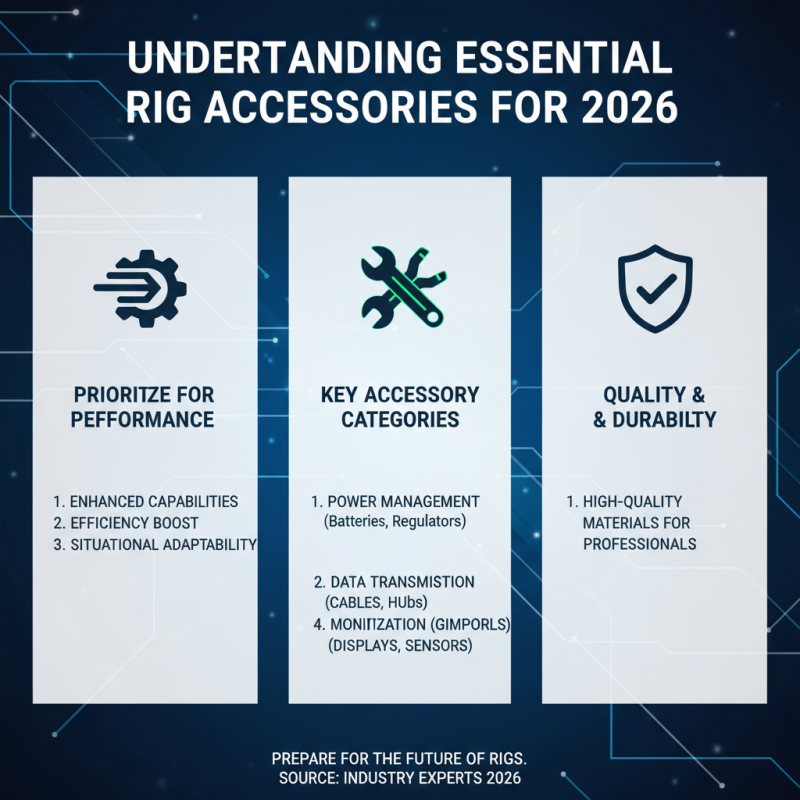
When preparing for 2026, it's essential to explore the necessary rig accessories. Understanding what to prioritize can make a significant difference in performance and efficiency. Essential accessories enhance the rig's capabilities for various situations. Experienced professionals emphasize the importance of selecting high-quality, durable items.
Among the must-have accessories are versatile lighting options. They improve visibility in low-light conditions. Rigging safety gear also ranks high on the list, ensuring safety while working on challenging projects. It's worth considering materials that withstand harsh environments. This can be a reflection of experience in the field. Proper tools can streamline workflow and increase productivity.
However, buyers often overlook compatibility. Not all accessories work seamlessly with every rig setup. It's crucial to assess the specific needs of your operation. Keep in mind that cost can become a barrier. Investing in quality equipment might require a higher budget, but it often pays off in the long run. Balance between price and functionality is essential, with careful evaluation needed to avoid common pitfalls.
Key Features to Look for in Rig Accessories
When exploring rig accessories for 2026, it's vital to consider adaptable features. A versatile accessory can enhance functionality. Look for adjustable components that can be tailored to different rigs. This flexibility allows for a customized setup, improving efficiency during use.
Durability is another critical aspect. Quality materials ensure longevity and resilience against harsh conditions. Accessories should withstand wear and tear, especially for outdoor applications. Consider accessories that have weather-resistant features to protect against moisture and extreme temperatures. However, not all products meet these requirements, so careful evaluation is essential.
Compatibility plays a significant role as well. Accessories must easily integrate with your existing rig. Look for options that offer universal fit or multi-functional capabilities. Understanding the specifics before buying can save time and frustration. Reflect on how often you will need to upgrade or replace accessories. The right choice is a balance between performance and necessity, not just trends.
Essential Rig Accessories Buyers Guide for 2026
| Accessory Type |
Key Features |
Material |
Price Range |
| Tripod |
Adjustable height, quick-release plate, lightweight |
Aluminum |
$50 - $150 |
| Stabilizer |
Gimbal, counterweights, ergonomic grip |
Carbon Fiber |
$100 - $400 |
| Lighting Kit |
Adjustable brightness, softboxes, portable |
Plastic, Metal |
$80 - $300 |
| Microphone |
Directional pickup, windscreen, frequency response |
Metal |
$30 - $200 |
| Monitor |
HD resolution, HDMI inputs, touchscreen |
Glass, Plastic |
$150 - $600 |
Top Rig Accessories Recommended for Various Needs
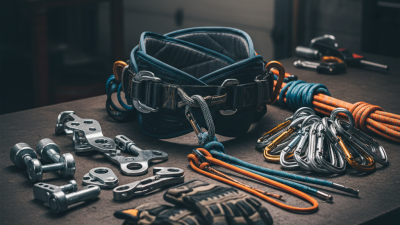
When preparing for a successful rigging session in 2026, knowing the right accessories is essential. Each rig setup demands specific tools to enhance efficiency and safety. Some must-have accessories include quality slings, shackles, and lifting blocks. These items help ensure secure loads while minimizing risks.
Tips: Always inspect your rig accessories regularly. Wear and tear can compromise safety. Look for signs of fraying or corrosion. Replacing worn items can prevent potential accidents.
Another vital aspect is the type of environment where you'll be working. Different settings may require specialized gear. For underwater work, consider waterproof harnesses. In aerial environments, lightweight rigging components can improve maneuverability without sacrificing strength.
Tips: Familiarize yourself with local regulations. They can influence your choice of accessories. Compliance ensures safety and can ultimately improve your rigging efficiency.
Essential Rig Accessories Usage Statistics (2026)
This chart displays the usage frequency of essential rig accessories for 2026, showcasing the most commonly used items among videographers and filmmakers. Tripods and lighting equipment are clearly the most favored, while specific accessories like dollies and filters are used less frequently.
Budgeting for Quality: Cost vs. Value in Rig Accessories
Choosing rig accessories can be overwhelming. With many options available, budget often influences decisions. Focusing on cost versus value is essential for every buyer.
Low-priced accessories can lead to poor performance and safety issues. A well-made accessory ensures quality and longevity, justifying initial costs.
Consider the materials used in rig accessories. Strong, durable materials might have a higher upfront cost. However, they offer better reliability and efficiency. Cheaper options can wear down quickly, forcing frequent replacements. This ends up costing more in the long run. It's crucial to evaluate not just the price but also the expected lifespan and performance.
Buying decisions should reflect personal use and experience. Are you going for frequent fieldwork or occasional use? Your choice depends on how you will use the equipment.
Evaluate your needs critically. Sometimes, investing a little more leads to a significantly better experience. Prioritize your requirements over trends. Quality should always outrank the price tag.
Future Trends in Rig Accessory Design and Functionality
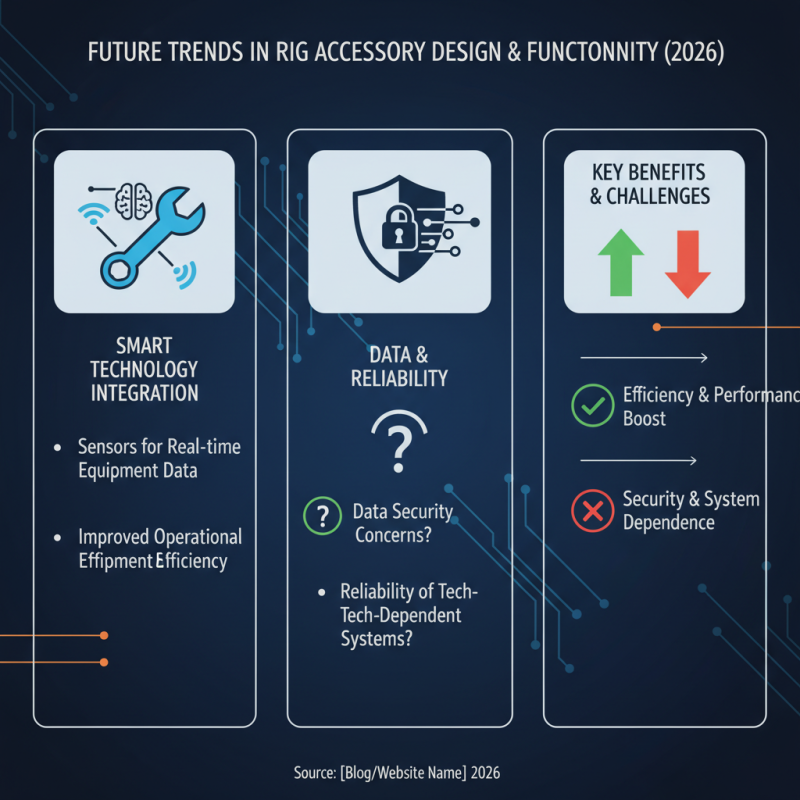
As we look towards 2026, rig accessory design is evolving rapidly. One significant trend is the integration of smart technology into rig accessories. This includes sensors that provide real-time data on equipment performance. By using these technologies, operational efficiency can improve significantly. However, the reliance on technology raises questions about data security and reliability.
Another trend is an increased focus on sustainability. Many manufacturers are exploring eco-friendly materials in their accessories. These innovations aim to reduce environmental impact while maintaining durability. Yet, the challenge remains in balancing cost with sustainable practices. Finding materials that meet both criteria is not straightforward and requires ongoing research.
Functional versatility is also paramount. Accessories that serve multiple purposes are gaining popularity. For instance, a single rig accessory may now offer storage, protection, and enhanced usability. This adaptability can save space and reduce costs. Nevertheless, determining the ideal balance between versatility and specialization presents a dilemma for designers. They must address how to incorporate various functions without compromising effectiveness.