Why Rig Accessories Are Essential for Optimal Performance in Your Operations?
In the fast-paced world of operations, the importance of Rig Accessories cannot be overstated. Experts like John Mitchell, a senior engineer in the industry, emphasize, "Quality rig accessories can make the difference between success and failure." With the right tools, performance levels can significantly rise, leading to more efficient operations and improved safety.
Rig Accessories include various components that enhance performance. These might range from safety devices to specialized tools. Each accessory plays a critical role in ensuring smooth operations. Yet, many overlook their significance, leading to costly mistakes. It's essential to recognize how these elements contribute to overall success.
However, not all businesses invest adequately in Rig Accessories. Some may treat them as optional rather than essential. This mindset can result in operational delays and increased risks. Reflecting on current practices is crucial. Improving the selection and maintenance of Rig Accessories could unlock new levels of efficiency and safety.
Importance of Rig Accessories in Enhancing Operational Efficiency
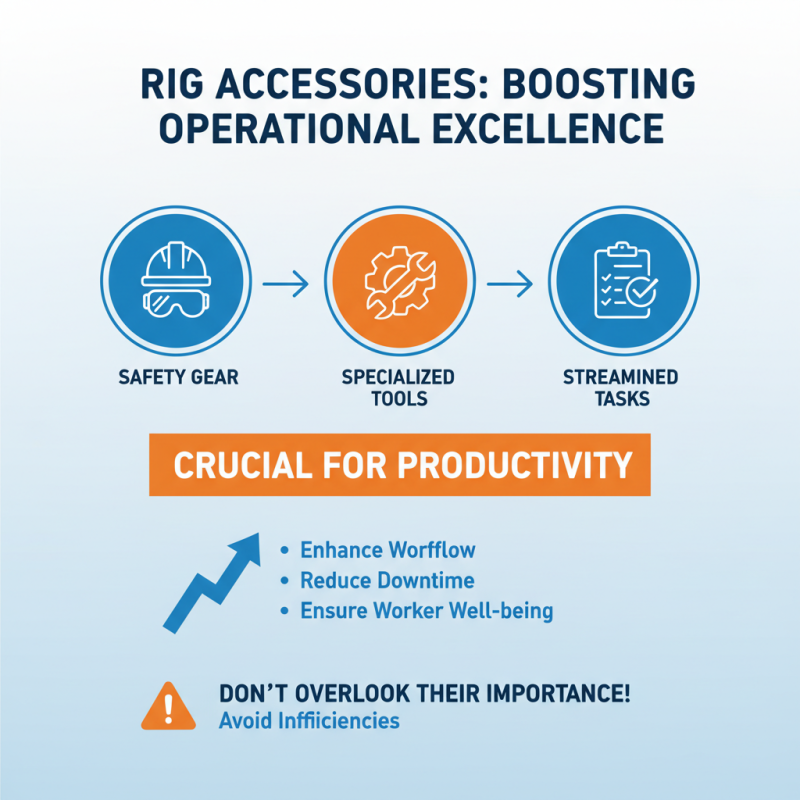
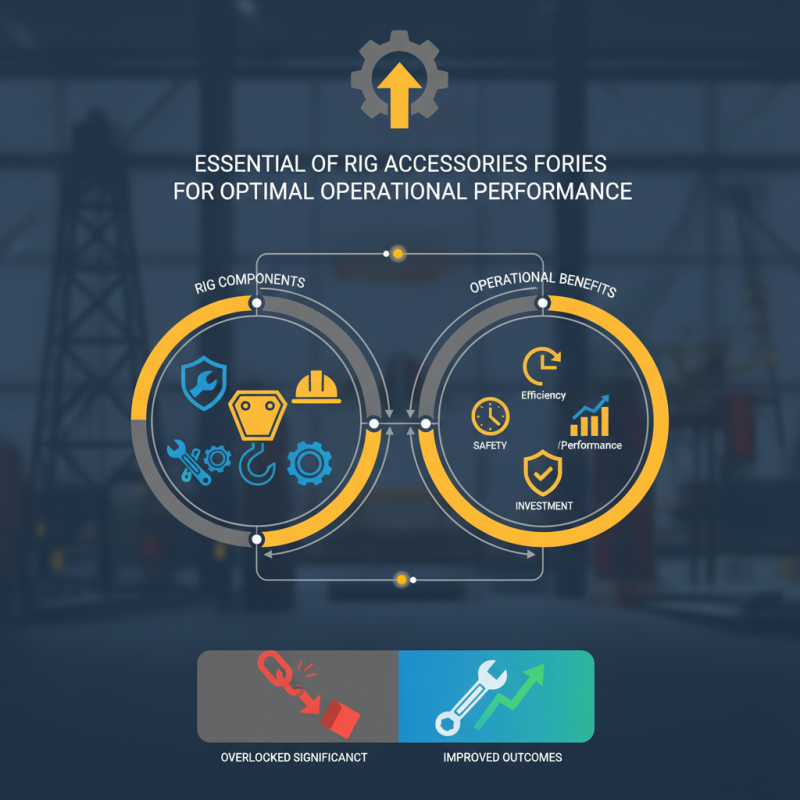
In the world of operations, rig accessories play a crucial role. They are not just add-ons; they enhance productivity and streamline tasks. Various accessories, like safety gear and specialized tools, improve workflow significantly. Workers rely on these essentials daily. However, some may overlook their importance, leading to inefficiencies.
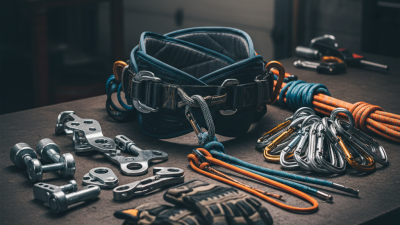
Consider the use of safety harnesses. They protect workers but also allow them to focus on their tasks, knowing they are secure. The right tools can speed up a job, yet, sometimes teams settle for what they have instead of what they need. This mindset can lead to delays and risks. Tight schedules often push workers to forget the value of these accessories.
Each accessory has a purpose and contributes to better outcomes. Ignoring them might save costs in the short term but can cause long-term setbacks. Improving operational efficiency requires reflection on what’s necessary. Are all available accessories being utilized? Regular assessment can lead to enhanced productivity and safer working conditions.
Types of Rig Accessories and Their Specific Functions
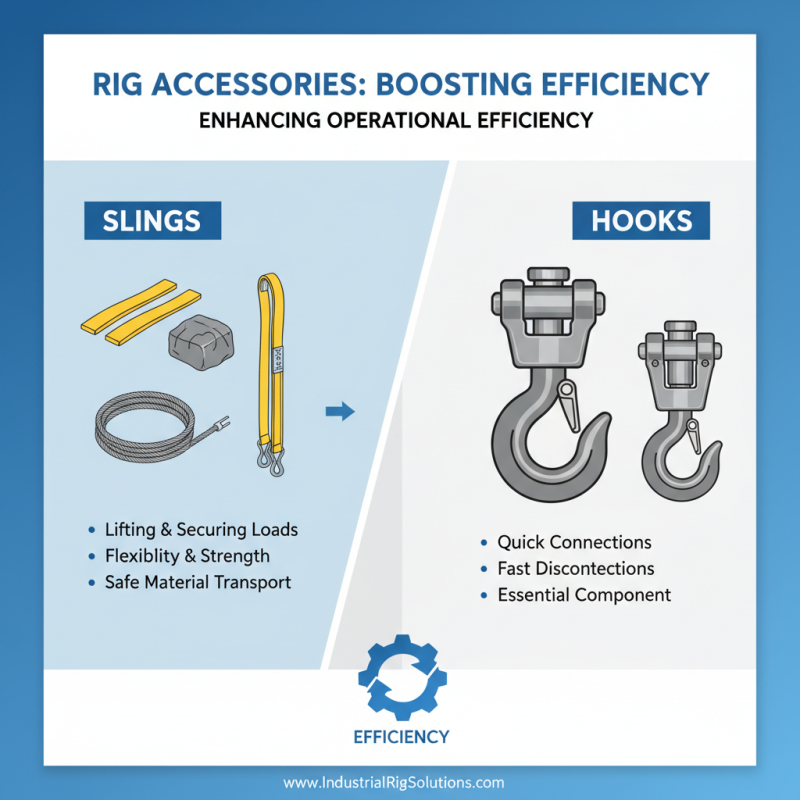
Rig accessories play a vital role in enhancing operational efficiency. Various types of accessories serve specific functions. For example, slings are crucial for lifting and securing loads. They provide flexibility and strength, ensuring safe transport of materials. Hooks are another essential component, enabling quick connections and disconnections.
When choosing rig accessories, consider the materials used. Some are more durable than others. Often, users overlook wear and tear. Regular inspection can prevent accidents. Ensure your accessories are rated for the intended load. Using improvised solutions can be risky. You might save time initially, but the long-term consequences can be severe.
Tips for effective rigging: Always double-check connections before lifting. Keep accessories organized to avoid unnecessary confusion. Practice proper maintenance to extend the life of your equipment. Remember, even minor faults can lead to major issues. Stay vigilant to ensure optimal performance in every operation.
Impact of Rig Accessories on Safety and Compliance Standards
Rig accessories play a vital role in
maintaining safety and compliance in operations. Each accessory serves a specific purpose, ensuring equipment functions
as intended. For example, safety latches prevent accidental
disconnections, while proper gauges allow accurate monitoring of pressure levels. Neglecting these accessories can
lead to dangerous situations.
When accessories malfunction, compliance with safety standards
is jeopardized. Regulatory bodies have strict guidelines that operators must follow. Inadequate rig accessories can
result in penalties or even temporary shutdowns. This not only affects operations but also risks the safety of workers.
A single missing safety component can lead to catastrophic failures.
Regularly inspecting and replacing worn accessories is
crucial. It may seem minor, but small details can make a big difference. Sometimes, operators overlook the importance
of these parts. This complacency could have dire consequences. Rig operators must recognize that every accessory is
an integral part of their system’s safety.
Best Practices for Choosing the Right Rig Accessories
Choosing the right rig accessories is crucial for boosting operational efficiency. Accessories like stabilizers, tensioners, and safety guards enhance the rig's performance. They protect the equipment and ensure longevity. However, not all accessories fit every job. Assess your specific needs first.
Take time to evaluate rig environments. Understanding the terrain and conditions can guide your accessory selection. Lightweight tools may work well in one area but fail in another. Testing the equipment periodically can reveal gaps in functionality. Are you aware of any weaknesses in your current setup?
Budget constraints might limit options, but don't sacrifice quality for cost. Prioritize essential accessories over trendy ones. The wrong tools can lead to costly delays. Reflect on past experiences—what worked? What didn't? This insight can be invaluable when investing in equipment for optimal performance.
Why Rig Accessories Are Essential for Optimal Performance in Your Operations
This bar chart demonstrates the importance of various features of rig accessories, highlighting that quality and durability are the most critical factors for optimal performance in operations. Ensuring these aspects can significantly enhance operational efficiency.
Maintenance and Care for Rig Accessories to Ensure Longevity
Proper maintenance of rig accessories is crucial for ensuring their longevity. Regular inspections should be a routine part of your operations. Look for signs of wear or damage. These checks can save you from costly downtime later. Lubrication is often overlooked. Ensure moving parts are well lubricated to prevent rust and friction. A little attention goes a long way in prolonging the life of your equipment.
Cleaning is another essential step in care. Dust, dirt, and grime can interfere with operation. Use appropriate cleaning solutions for different materials. Avoid abrasive cleansers to prevent scratches. Storing accessories correctly also matters. They should be kept in a dry and clean area. Improper storage can lead to moisture buildup, which damages the accessories over time. Ignoring these aspects might lead to unexpected failures in critical situations. Reflecting on your current practices can highlight areas for improvement.