10 Essential Tips for Choosing the Right Hydraulic Pump Unit
Selecting the right Hydraulic Pump Unit is crucial for operational efficiency in various industrial applications. Research indicates that improper pump selection can lead to a 30% decrease in system performance. The global hydraulic pump market is projected to grow to $12 billion by 2026, underscoring the importance of making informed choices.
In an age where technology rapidly evolves, understanding the nuances of hydraulic systems is essential. Manufacturers offer varied pump types, and choosing the right one can greatly affect productivity and maintenance costs. For example, a mismatched pump can cause excessive wear, resulting in costly repairs over time.
Many industries rely on hydraulic systems for critical functions. A well-selected Hydraulic Pump Unit ensures reliability and durability. Yet, many still overlook the fundamental aspects of pump selection. By focusing on efficiency, compatibility, and operational demands, businesses can avoid common pitfalls.
Understanding the Types of Hydraulic Pump Units Available on the Market
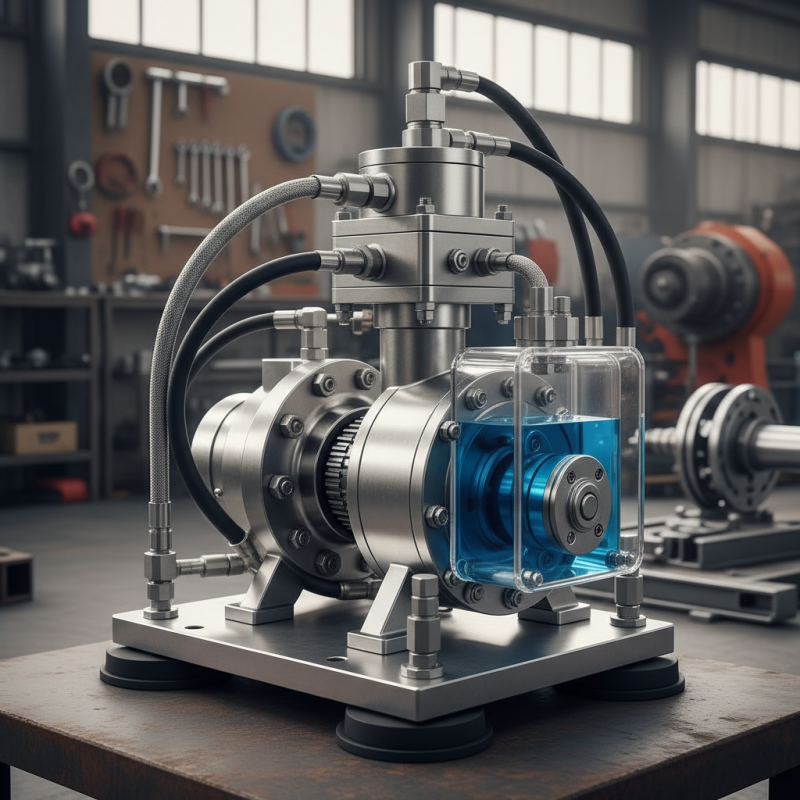
When selecting a hydraulic pump unit, understanding the types available is crucial. There are several primary categories: gear pumps, piston pumps, and vane pumps. Each type has unique applications and characteristics. Gear pumps are commonly used for low-pressure systems. They are relatively simple and cost-effective. Piston pumps excel in high-pressure environments, often utilized in heavy machinery. Vane pumps can handle varying flow rates efficiently, making them versatile for diverse tasks.
According to industry reports, about 45% of hydraulic pump users prefer gear pumps for their durability and ease of maintenance. However, only 28% appreciate piston pumps, despite their higher efficiency in demanding conditions. Vane pumps, while only preferred by 15%, offer adjustable output, making them valuable for certain applications. Each type has strengths and weaknesses. Understanding these nuances can prevent costly mistakes.
Choosing the right unit impacts performance and efficiency. Factors such as horsepower, pressure requirements, and fluid compatibility play significant roles. Many users overlook detailed specifications, leading to suboptimal performance. It’s essential to assess your needs carefully. Seeking advice from experienced professionals can guide you toward the best options, minimizing risks associated with poor choices.
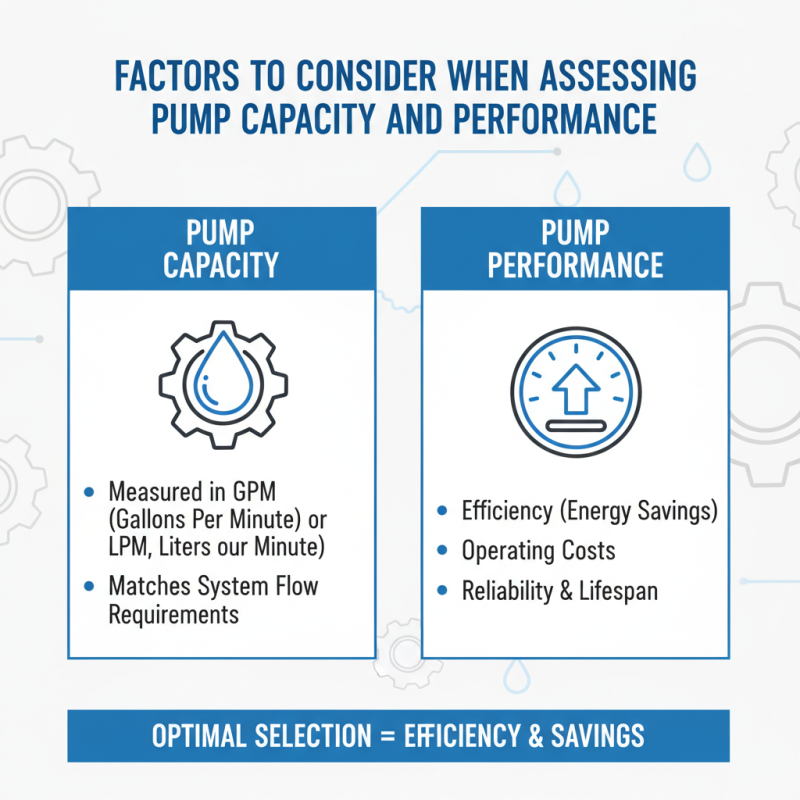
Factors to Consider When Assessing Pump Capacity and Performance
When selecting a hydraulic pump unit, understanding pump capacity and performance is crucial. According to industry experts, capacity is typically measured in gallons per minute (GPM) or liters per minute (LPM). The right selection can lead to efficiencies that save energy and operating costs.
One key factor to consider is the workload requirements. Determine the maximum pressure needed. Many applications require pumps to operate at pressures between 1,500 and 3,000 psi. Ensuring the pump meets these requirements is vital.
Tip: Evaluate the specific application needs. Will the pump be used for lifting, pressurizing, or powering equipment? Each application may require different capacity ratings.
Additionally, look at the materials used in pump construction. Corrosion resistance is essential in harsh environments. Studies show that pumps designed with high-grade materials last longer and perform better.
Tip: Don't overlook maintenance accessibility. Pumps that are difficult to service can lead to higher downtime and costs. Aim for units that can be easily serviced or replaced.
Remember, carefully assessing these factors can prevent costly mistakes and enhance operational efficiency.
Evaluating the Compatibility of Hydraulic Pumps with Your System
Evaluating the compatibility of hydraulic pumps with your system is crucial. Factors such as
system pressure, flow rate, and fluid type must align. These considerations ensure
optimal performance and longevity. According to the Hydraulic Institute, improper pump selection accounts
for nearly 30% of operational failures. Therefore, understanding your specific application
is essential.
Tip: Ensure you match the hydraulic pump's pressure
ratings with your system requirements. Data shows that exceeding recommended pressure can significantly shorten pump life.
Fluid compatibility is another critical element. Different fluids can react differently with pump materials. This mismatch can lead to
corrosion or reduced efficiency. Reports indicate that about 20% of failures stem from incompatible fluids.
Tip: Regularly assess fluid properties and make necessary
adjustments. Routine maintenance can improve performance and reliability. Keep in mind that even minor miscalculations can lead to significant downtime.
In conclusion, prioritize compatibility in your selection process. It is a key factor in maintaining a dependable hydraulic system.
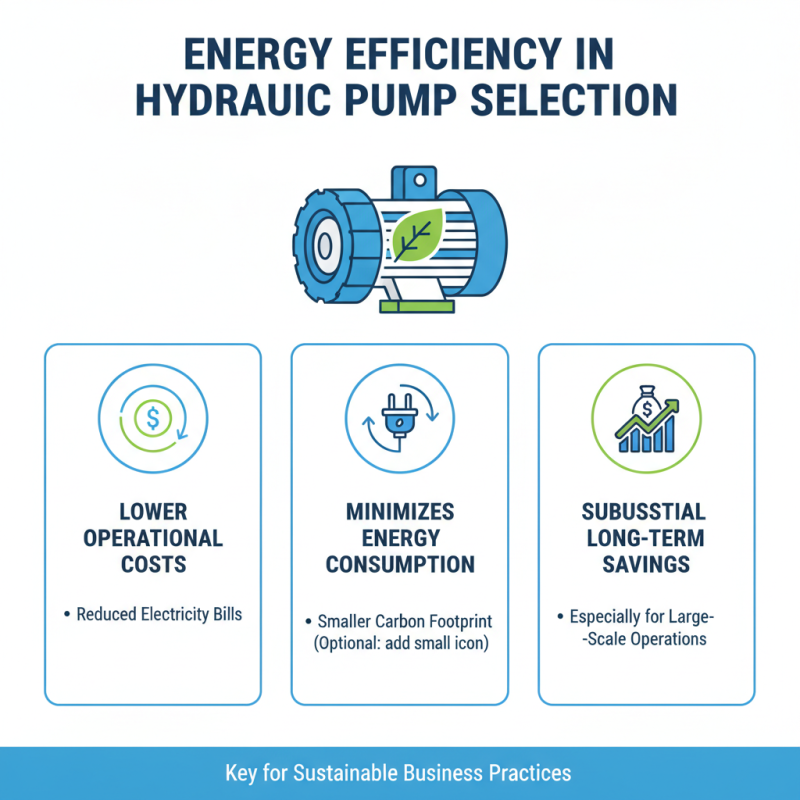
Importance of Energy Efficiency in Hydraulic Pump Selection
When selecting a hydraulic pump unit, energy efficiency should be a primary consideration. An energy-efficient pump reduces operational costs significantly. It helps in minimizing energy consumption, thus lowering electricity bills. For businesses with large-scale operations, this can lead to substantial savings over time.
Efficiency often translates to performance. A highly efficient pump can achieve the same output using less energy. This not only benefits the environment but also boosts the lifespan of the equipment. However, it’s important to evaluate the specific needs of your system. Sometimes, older pumps might seem cheaper but can waste more energy in the long run.
Understanding maintenance needs is essential. An energy-efficient pump may require advanced maintenance techniques. If your team lacks expertise, costs can escalate. Always consider how troubleshooting will impact energy savings over time. Balancing cost, efficiency, and maintenance is often challenging but vital. Analyzing all these factors leads to a more informed and responsible decision.
Maintenance and Support Services for Hydraulic Pump Units
When selecting a hydraulic pump unit, maintenance and support services should be at the forefront of your considerations. Regular maintenance ensures optimal performance and longevity. A well-maintained pump reduces downtime and increases productivity. Keep in mind that not all services are equal. Assess the expertise of the service provider before making your choice.
Consider the frequency of required maintenance. Is it monthly, quarterly, or annually? This frequency will help you understand the potential costs involved. Timely inspections can catch issues early. You may face higher repair costs without proper support. Look for providers offering comprehensive support packages.
Expert advice is invaluable. Seek out technicians who understand your specific needs. Their insights can prevent future problems. Additionally, prompt service is vital during emergencies. Delays can lead to significant operational losses. Keep a list of reliable contacts for urgent needs. A solid maintenance plan, coupled with expert support, is key to your hydraulic pump’s success.