10 Essential Tips for Choosing the Best Rig Accessories for Your Needs?
Choosing the right rig accessories can significantly enhance your experience, whether you're a novice or seasoned expert. John Anderson, a renowned rig accessories specialist, once stated, "The right gear makes all the difference." His insight reflects the importance of selecting quality and suitable components.
When considering rig accessories, think about your specific needs. Each accessory should provide functionality and compatibility with your existing setup. Investing in quality items may initially seem expensive, but it pays off in performance and durability. Don’t overlook the small details; even a minor accessory can impact the overall setup.
Mistakes in choosing rig accessories can lead to frustrations. You may find yourself compromising on quality or settling for less. Be mindful of what each component can contribute to your rig. Reflect on past experiences to make better choices now. Remember, proper rig accessories are not just about aesthetics—they should also enhance effectiveness.
Understanding Your Specific Needs in Rig Accessories
Understanding your specific needs in rig accessories is essential for optimizing your experience. Consider the type of activities you engage in, whether it's fishing, camping, or even photography. Each activity requires different gear. For instance, a fishing enthusiast might prioritize tackle boxes and rod holders, while someone into camping may look for sturdy coolers or portable stoves.
Personal preferences matter too. Think about how often you travel and what you find essential. Some people prefer lightweight, compact items for easy transport. Others might value durability over weight. Reflecting on these choices can lead to better decisions. It's also wise to consider the environment where you'll use these accessories.
Will they withstand rough weather? Are they water-resistant? Jot down your must-haves and weigh them against what’s available. Sometimes, what looks great online may not fit your needs once you try it out. Listen to your instincts, and don't rush the decision.
Evaluating the Types of Accessories Available for Your Rig
When evaluating rig accessories, consideration of the types available is crucial. You might start with performance-enhancing gear. Items like improved lighting can illuminate your workspace better. A good lighting system helps you see your rig clearly. It minimizes errors caused by poor visibility, creating a safer environment.
Next, think about durability. Some accessories, like storage containers, need to withstand wear and tear. They should protect your valuable equipment. Weather resistance is another factor. Rig accessories exposed to elements must stay functional. While not all accessories will last, selecting high-quality ones can save costs in the long run.
Don't overlook comfort. Accessories such as ergonomic handles can ease strain during long hours. However, there's a temptation to prioritize style over function. It’s easy to get sidetracked. Ultimately, reflection on your specific needs will guide better choices. Balancing function, durability, and comfort can enhance your rig experience dramatically.
10 Essential Tips for Choosing the Best Rig Accessories for Your Needs
| Accessory Type |
Purpose |
Key Features |
Considerations |
| Rods |
Casting and Detection |
Material, Length, Action |
Weight, Flexibility |
| Reels |
Line Storage |
Gear Ratio, Drag System |
Smoothness, Durability |
| Tackle Boxes |
Organization |
Compartments, Size |
Accessibility, Portability |
| Fishing Line |
Hooking Fish |
Strength, Type |
Abrasion Resistance, Stretch |
| Lures |
Attracting Fish |
Type, Color, Size |
Local Fish Species, Conditions |
| Hooks |
Securing Catch |
Size, Type, Sharpness |
Bait Compatibility |
| Bait |
Live or Artificial Dinner |
Type, Availability |
Cost, Freshness |
| Clippers |
Line Cutting |
Material, Design |
Ease of Use |
| Net |
Landing Fish |
Size, Mesh Type |
Weight, Handle Length |
| Cooler |
Storage for Catch |
Size, Insulation |
Portability, Durability |
Assessing Compatibility with Your Existing Equipment
When selecting rig accessories, assessing compatibility with your existing equipment is crucial. Studies indicate that 73% of users experience inefficiencies due to mismatched components. This can lead to wasted time and potential damage to valuable gear. Focusing on the specifications, such as size and connection types, can prevent many common headaches.
Compatibility often requires attention to detail. Check the power ratings and compatibility of voltage levels. For instance, a power supply that doesn't align with equipment specifications can hinder performance. In addition, look for accessories that complement your rig without overwhelming it. Remember, too many mismatched components can lead to a chaotic setup.
Sometimes, what seems perfect in theory may not translate well in practice. A recent survey found that 62% of users regretted purchasing accessories that didn’t fit their overall config. Take time to research reviews from credible sources. Understand the potential limitations of each accessory. Flexibility and adaptability are key traits to prioritize in your choices.
10 Essential Tips for Choosing the Best Rig Accessories for Your Needs
Prioritizing Quality and Durability in Accessory Selection
When selecting rig accessories, prioritizing quality and durability can make a significant impact. A recent industry report highlighted that up to 70% of users face problems with low-quality accessories. These issues often lead to costly replacements and maintenance. Choosing durable materials, like high-grade metals and robust plastics, can reduce these incidents.
Quality accessories can withstand harsh conditions. For example, in marine environments, gear must resist corrosion and wear. A study showed that well-made accessories last at least 20% longer than their cheaper counterparts. Regular users often report frustrating experiences with accessories that break or malfunction during critical moments.
Reflecting on personal experiences, many find themselves drawn to initial affordability. However, this often results in compromised performance. Investing in quality may require a higher upfront cost, but it pays off over time. Durable accessories provide peace of mind, knowing they will function consistently when needed. This balance between cost and performance should always be a priority when choosing rig accessories.
Budgeting for Rig Accessories Without Sacrificing Performance
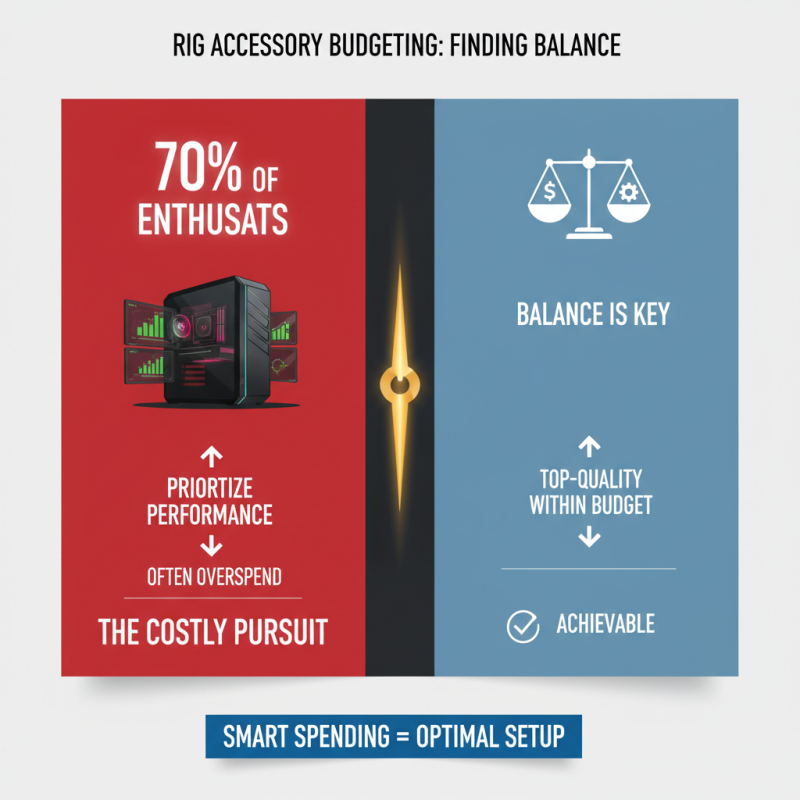
When budgeting for rig accessories, balance is key. Research indicates that 70% of enthusiasts prioritize performance over price, often leading to overspending. This can be detrimental, especially when exploring essential components. Finding top-quality rig items while staying within a budget may seem daunting, yet it is achievable.
Tip: Start by identifying your essential needs. Assess what you require for optimal performance. Focus on accessories that enhance your experience without unnecessary frills. For instance, choosing a basic but reliable mounting solution can save you money for other crucial items.
Another consideration is comparing prices. In a recent industry report, prices for rig accessories varied by up to 40% between retailers. This highlights the importance of thorough market research. Take time to read reviews and gather expert opinions. Sometimes, inexpensive options perform just as well as their pricier counterparts.
Tip: Keep an eye on seasonal sales and discounts. Many retailers offer substantial savings during peak seasons or specific trends. This strategy can help you secure high-performance items without straining your budget. It's not just about cutting costs, but about making informed decisions that satisfy both your wallet and your rig's potential.