10 Essential Tips for Choosing the Right Well Drilling Machine?
When it comes to selecting a Well Drilling Machine, making the right choice can be daunting. Expert David Thompson, a well-known figure in the well drilling industry, once said, “Choosing the right machine can make or break your drilling project.” This emphasizes the importance of the decision.
The well drilling market is diverse. There are numerous machines, each designed for specific purposes and conditions. Understanding your needs is critical. Consider factors such as drilling depth, soil type, and budget. A mistake here could lead to costly delays.
Furthermore, it's vital to research manufacturers and their products. Not all well drilling machines are created equal. Some may have outstanding reviews but falter in real-world conditions. Take your time to assess features and warranties. The right machine is a long-term investment. Select wisely for a successful well drilling journey.
Understanding Different Types of Well Drilling Machines Available
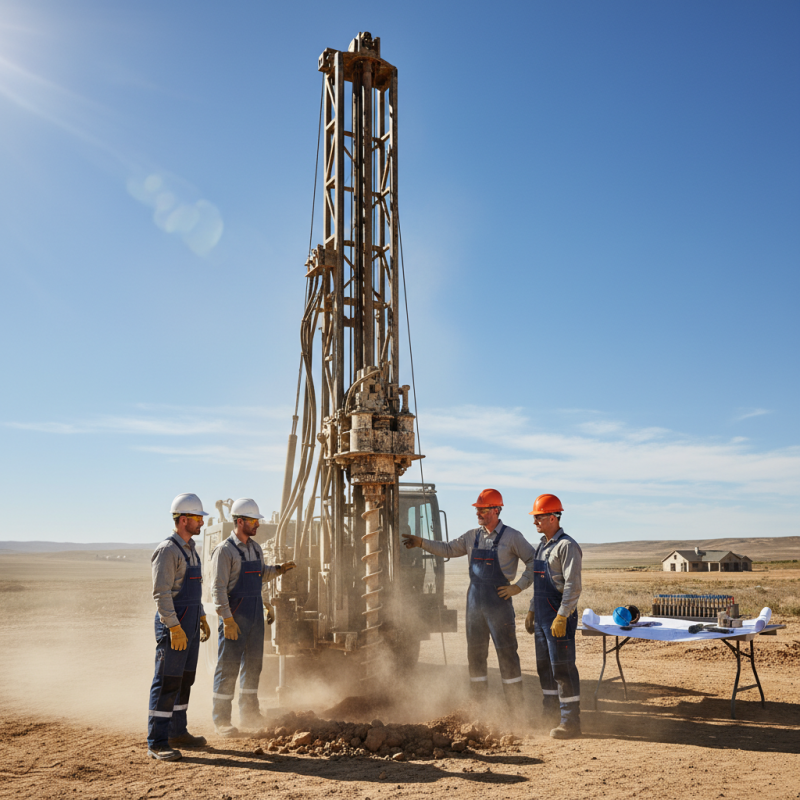
When choosing a well drilling machine, it's essential to understand the different types available. The most common types include rotary, percussion, and auger drilling machines. Each has unique features and capabilities. For instance, rotary machines are best for deep wells, while percussion machines excel in hard rock conditions. Understanding these differences will guide your decision.
Consider the specific needs for your drilling project. The soil type in your area significantly impacts the choice of machinery. For clay or sandy soil, an auger drill might work well. However, if you're dealing with rocky terrain, a rotary drill is more appropriate. Additionally, assess the machine's power requirements and portability. Some machines may be too heavy for certain locations.
It's crucial to weigh the benefits and drawbacks of each option. A more powerful machine may perform better but could be overly complex for simple tasks. Reflecting on these factors before making a choice can save both time and resources. Always remember that the right fit for your project may not always be the most advanced or expensive option available.
Different Types of Well Drilling Machines
Key Features to Consider in a Well Drilling Machine
Choosing the right well drilling machine requires careful consideration of key features. These machines vary widely in design, capabilities, and costs. The size of the borehole needed is a primary factor. A report from the International Association of Drilling Contractors indicates that drilling depths can range from 50 feet to over 1,000 feet, depending on the application.
When selecting a machine, focus on its power source. Diesel engines often provide high torque, which is crucial for challenging soil conditions. Electric models can be more convenient, especially in urban settings. Look for machines with adjustable depths to accommodate different project needs.
Tip 1: Evaluate your soil type. Sandy soil requires different techniques than clay or rocky conditions.
Another vital feature is portability. Compact machines are essential for tight job sites. However, lighter machines may lack durability and power. A balance is necessary.
Tip 2: Consider the machine's stability. Some models are prone to tipping, especially in uneven terrain.
Drilling speed is also important. Faster machines can save time, but they may compromise accuracy. Some operators might prefer a slower, more stable option for precision work. A machine's weight influences its ease of transport and speed.
Tip 3: Think about maintenance needs. Machines with complex systems may require more frequent inspections.
10 Essential Tips for Choosing the Right Well Drilling Machine - Key Features to Consider in a Well Drilling Machine
| Feature |
Description |
Importance |
| Drilling Depth |
Maximum depth the machine can reach effectively. |
High |
| Power Source |
Type of power the machine uses (e.g. diesel, electric). |
Medium |
| Mobility |
Ease of transportation and setup at different sites. |
High |
| Weight |
Weight of the machine, affecting transport and stability. |
Medium |
| Drilling Speed |
Rate at which the machine can drill through the ground. |
High |
| Versatility |
Ability to drill in various soil types and conditions. |
High |
| Ease of Operation |
User-friendliness and required training for operation. |
Medium |
| Maintenance Requirements |
Frequency and complexity of maintenance tasks. |
High |
| Cost |
Initial price and long-term operating costs. |
High |
| Safety Features |
Built-in mechanisms to improve user safety. |
High |
Evaluating the Power and Efficiency of Drilling Equipment
Choosing the right well drilling machine hinges on evaluating power and efficiency. According to a recent industry report, the efficiency of drilling equipment can impact project timelines by up to 30%. Equipment with higher power ratings often drills faster. However, this doesn't always translate to success.
The balance between power and efficiency is delicate. A powerful machine consumes more fuel, which may increase operating costs. It’s essential to examine the torque and RPM (revolutions per minute) ratings. For instance, machines with lower RPMs may be more efficient in certain soil types. Often, efficiency is overlooked, yet it can lead to significant savings over time.
Knowledge of local geology is also vital. A powerful machine might struggle in rocky terrain. Conversely, a less powerful unit could prove more effective. Understanding the specific requirements of each job can lead to better equipment selection. Not all drilling projects benefit from sheer power. In some cases, efficiency and adaptability are more critical. Choosing a well drilling machine demands carefully consideration. Each option has its trade-offs, and these choices can greatly affect project outcomes.
Assessing Durability and Maintenance Requirements of Drilling Machines
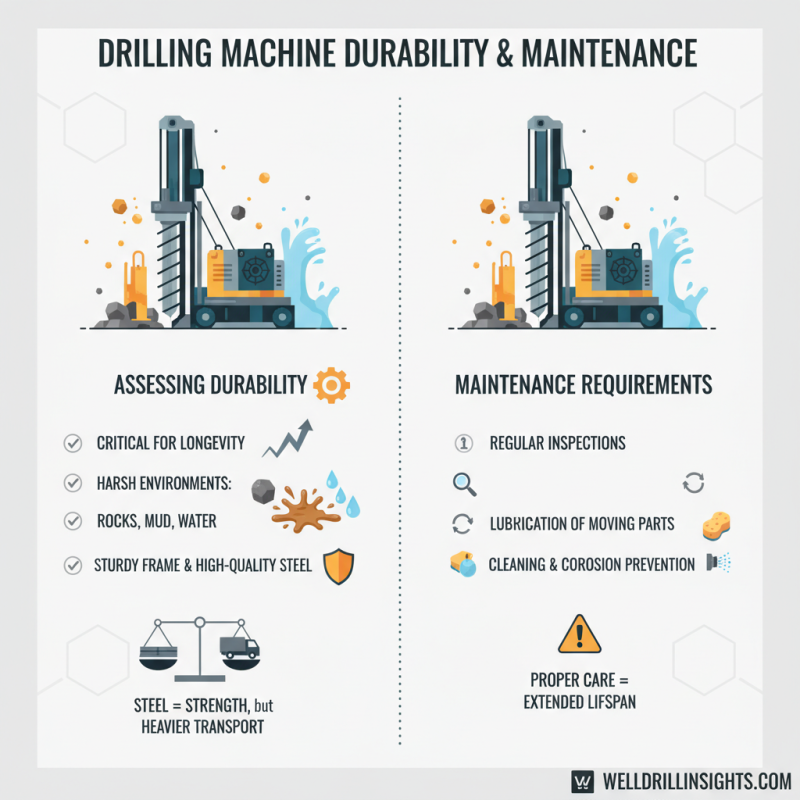
When selecting a well drilling machine, assessing durability is critical. Drilling machines face harsh environments. They encounter rocks, mud, and water. A sturdy frame is essential for long-term performance. Look for machines made with high-quality materials. Steel components often provide better strength. However, they may add weight, making transport more challenging.
Maintenance requirements also play a vital role. Machines need regular check-ups to function efficiently. Some drills require frequent lubrication, while others demand less attention. Understand the specifics of the machine you choose. A complicated maintenance schedule can lead to operational delays. Simpler options might suffice but could lack advanced features.
Remember, not every machine fits every project. You might find machines that seem perfect but have hidden maintenance issues. Consulting with experts can help clarify these concerns. Durability and upkeep should align with your project goals. Choose wisely to avoid regrets later on.
Budgeting: Cost Considerations for Purchasing a Well Drilling Machine
When considering the purchase of a well drilling machine, budgeting is crucial. According to a recent industry report, the cost of drilling machines can range from $5,000 to over $50,000. Factors affecting the price include the machine's size, capacity, and technology. Understanding your budget will help narrow down options.
Tip: Determine how often you’ll use the machine. If it’s for occasional projects, a lower-end model may suffice. Frequent use might warrant a more robust machine.
Don’t forget maintenance costs. An estimate from industry insiders suggests that maintenance can add another 10-20% to your annual expenses. This ongoing cost is essential for keeping your machine in peak condition.
Tip: Set aside funds specifically for upkeep. Neglecting maintenance can lead to larger repairs down the road. Furthermore, hidden costs can arise from unexpected breakdowns, affecting project timelines and expenses.