Top Well Drilling Equipment You Need for Successful Projects?
When embarking on a well drilling project, choosing the right well drilling equipment is crucial. The equipment you select can significantly affect the project's success and efficiency. Poor choices can lead to delays, increased costs, and even safety risks. Therefore, understanding the various types of well drilling equipment is essential for anyone involved in this field.
Different drilling projects require specific tools and machinery. A reliable rotary drill helps penetrate hard materials, while mud pumps maintain fluid circulation. Additionally, safety gear is often overlooked but essential for worker protection. Without proper equipment, projects may suffer from inefficiencies and heightened risks.
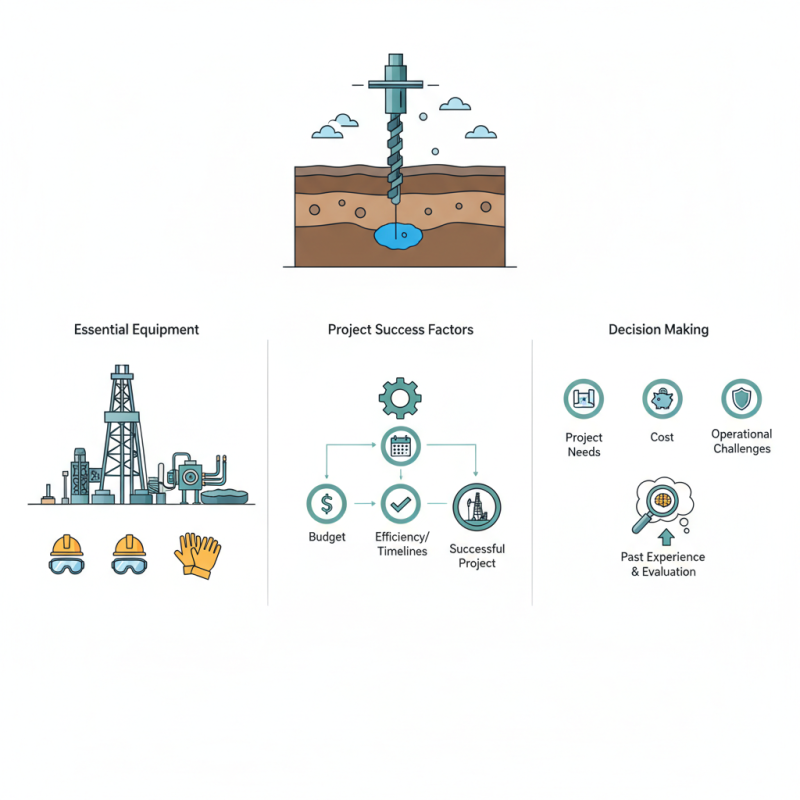
Investing in high-quality well drilling equipment can make a difference. However, choosing the right set can be overwhelming. It requires careful consideration of project needs, budget constraints, and operational challenges. Ensure to evaluate your equipment choices thoroughly before committing. A reflection on past experiences can also guide better decisions in future projects.
Essential Components of Well Drilling Equipment
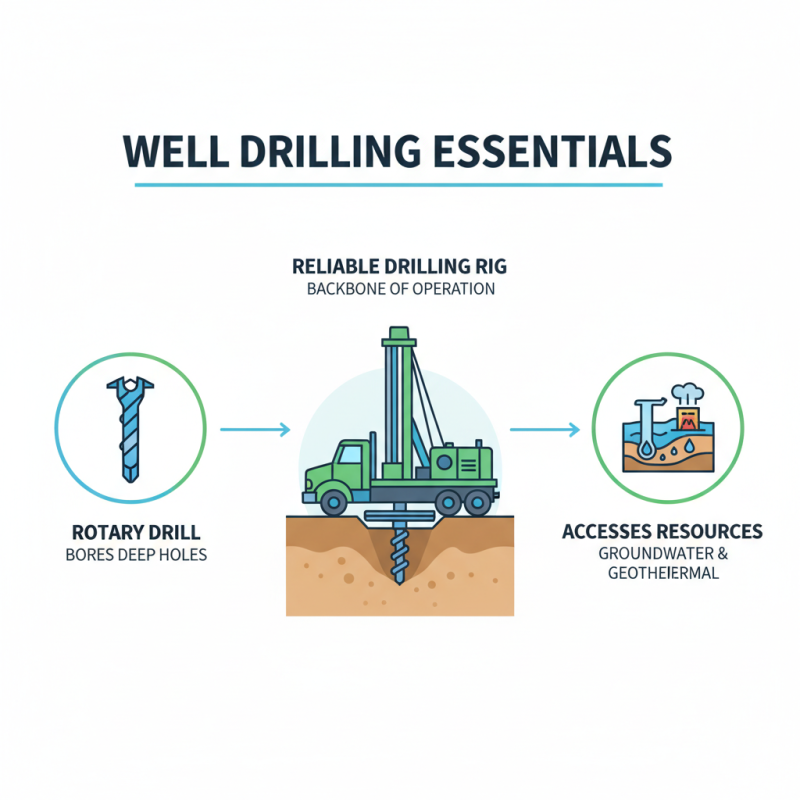
Well drilling projects require essential equipment for efficiency. A reliable drilling rig is the backbone of this operation. It supports various tools and systems that facilitate the drilling process. A rotary drill, for example, enables the boring of holes deep into the earth. This equipment is critical for accessing groundwater or geothermal resources.
Tips: Always assess the site conditions before choosing equipment. Consider soil type and depth. A well-suited rig can significantly reduce costs and time.
Drill bits are another vital component. They come in different shapes and sizes for various applications. A diamond bit works well in hard rock. In contrast, a tricone bit is better for softer formations. Proper bit selection can impact the success of the entire project.
Tips: Never overlook bit maintenance. A worn-out bit can cause delays. Regularly inspect and replace bits to maintain efficiency.
Additionally, supportive equipment like pumps and casings are crucial. These components manage water flow during drilling. They also stabilize the borehole. Having the right pumps can enhance the entire drilling process.
Tips: Use high-quality materials for casings. Weak casings may lead to collapses. Assess your project needs carefully to choose the right equipment.
Different Types of Drilling Rigs for Various Projects
When starting a drilling project, choosing the right rig is crucial. Each rig type is designed for specific environments and depths. For instance, rotary drilling rigs are popular for their efficiency. They are versatile and can operate in various soil conditions. A report from the International Association of Drilling Contractors notes that rotary rigs accounted for over 70% of global drilling operations in 2022.
Another option is the cable tool rig. These rigs are less common but are effective in shallow formations. They use a big hammer to break rock and are ideal for water wells. Research indicates that cable tool rigs can be more budget-friendly in specific situations. However, they can be less efficient than rotary rigs in deeper drilling.
Tips: Choose the rig based on your project's depth and location. Research local soil conditions. Remember, the wrong choice can lead to delays and excess costs. Consider your project's future needs as well. What works for one site may not work for another. Always expect setbacks and be ready to adapt. Planning and flexibility are essential.
Top Well Drilling Equipment You Need for Successful Projects
| Drilling Rig Type |
Main Features |
Suitable Projects |
Depth Capability |
| Rotary Drilling Rig |
Versatile, effective for various soils |
Water wells, geothermal, exploratory |
Up to 20,000 feet |
| Cable Tool Rig |
Uses weight and cable for drilling |
Water wells, oil exploration |
Up to 1,500 feet |
| Top Drive Rig |
Enhances drilling speed and efficiency |
Oil and gas exploration |
Up to 30,000 feet |
| Hydraulic Rig |
Powerful and precise operation |
Geothermal, environmental drilling |
Up to 15,000 feet |
| Portable Rig |
Easy transport and setup |
Small water wells, research |
Up to 1,000 feet |
Key Accessories to Enhance Drilling Efficiency
Effective drilling relies on the right accessories. These tools enhance the overall efficiency of the process. Advanced drilling mud systems, for instance, significantly improve the rate of penetration. A study found that rigs using effective mud systems can increase productivity by 35%. This is crucial in reducing downtime and cutting costs.
Another key accessory is drill bits. They come in various designs, each suited for different formations. Using the wrong bit can slow progress considerably. According to industry reports, selecting the right type can improve the rate of penetration by up to 20%. Knowing when to switch bits can save valuable time.
Investing in monitoring systems also plays a vital role. Real-time data can inform decisions and reduce risks. However, not all operations utilize this technology effectively. Many still rely on outdated methods, leading to inefficiencies. Experts recommend reevaluating existing protocols regularly. This can help identify gaps and improve outcomes.
Safety Gear and Equipment for Well Drilling Operations
When drilling wells, safety is paramount. Proper safety gear can prevent accidents and injuries during operations. According to the Occupational Safety and Health Administration (OSHA), nearly 2.8 million workers are affected by workplace injuries each year. Hence, adhering to safety protocols must be a priority.
Essential safety gear includes helmets, gloves, and eye protection. Helmets protect against falling objects, a common hazard on drilling sites. Gloves ensure grip and prevent cuts. Eye protection is crucial as drilling operations often generate flying debris. Moreover, high-visibility clothing is vital for site workers. Statistics indicate that 31% of fatal accidents occur when workers are struck by objects or vehicles. Visibility reduces this risk.
Drilling sites can be unpredictable. Wet or muddy conditions can lead to slips and falls. Wearing non-slip footwear can mitigate these risks. However, even the best safety measures cannot eliminate all hazards. Regular safety audits and training are necessary. They help workers stay vigilant. Remember, no equipment can replace the fundamental need for a strong safety culture. The key lies in creating an environment where safety is woven into the daily fabric of operations.
Top Well Drilling Equipment Usage Statistics
This bar chart illustrates the percentage usage of different well drilling equipment in operations. Proper utilization of equipment is essential for ensuring the success and safety of drilling projects.