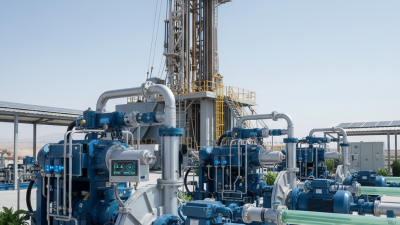
Top Facts About Oilfield Mud Pumps You Need to Know?
In the oil and gas industry, the role of the Oilfield Mud Pump is critical. These pumps manage drilling fluids and enhance the efficiency of drilling operations. John Smith, a respected expert in the field, once stated, "Without reliable mud pumps, drilling is like sailing without a compass." This emphasizes the importance of understanding the technology behind these pumps.
The functionality of an Oilfield Mud Pump is not just mechanical; it plays a vital role in safety and efficiency. High-quality mud pumps prevent pressure loss and help in maintaining the balance during drilling. However, with technological advances, some pumps fall behind in performance and reliability. Companies must reflect on their choices when selecting equipment, ensuring they meet modern standards.
Furthermore, the evolution of mud pumps is an ongoing process. Each innovation brings improvements, yet challenges remain. Many operators grapple with maintenance issues and the need for continuous training. As the industry grows, so does the demand for better-performing Oilfield Mud Pumps. There is much to learn and adapt in this field, making ongoing education and innovation essential for success.
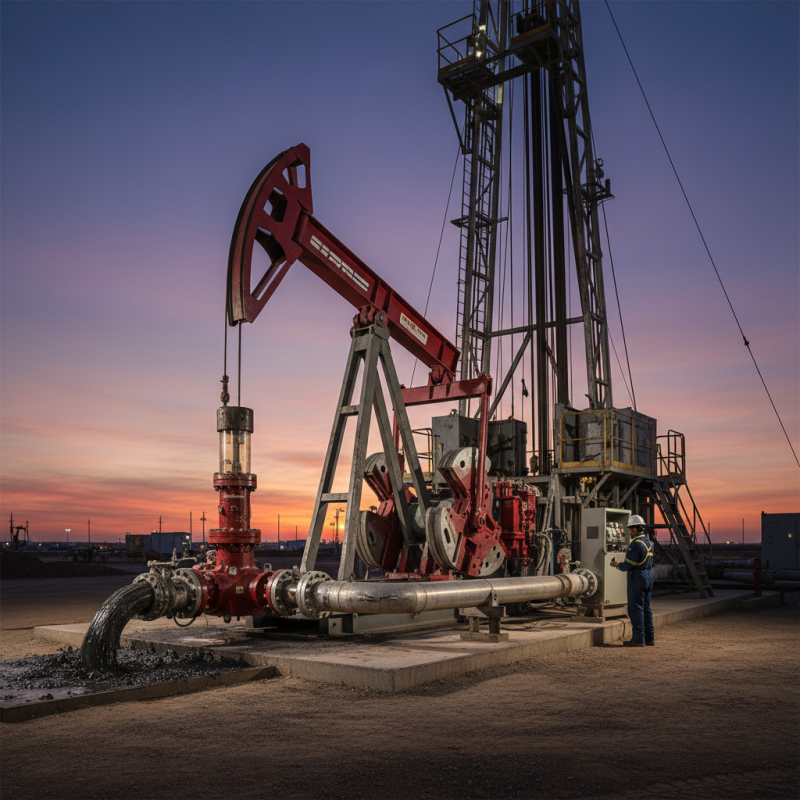
Overview of Oilfield Mud Pumps and Their Importance in Drilling
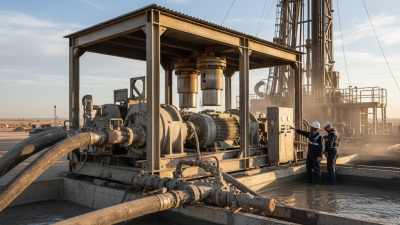
Oilfield mud pumps play a crucial role in drilling operations. They are essential in circulating drilling fluid, known as mud, down into the wellbore. This mud cools the drill bit and helps remove rock cuttings. Without efficient mud pumps, drilling can slow, leading to increased costs and risks.
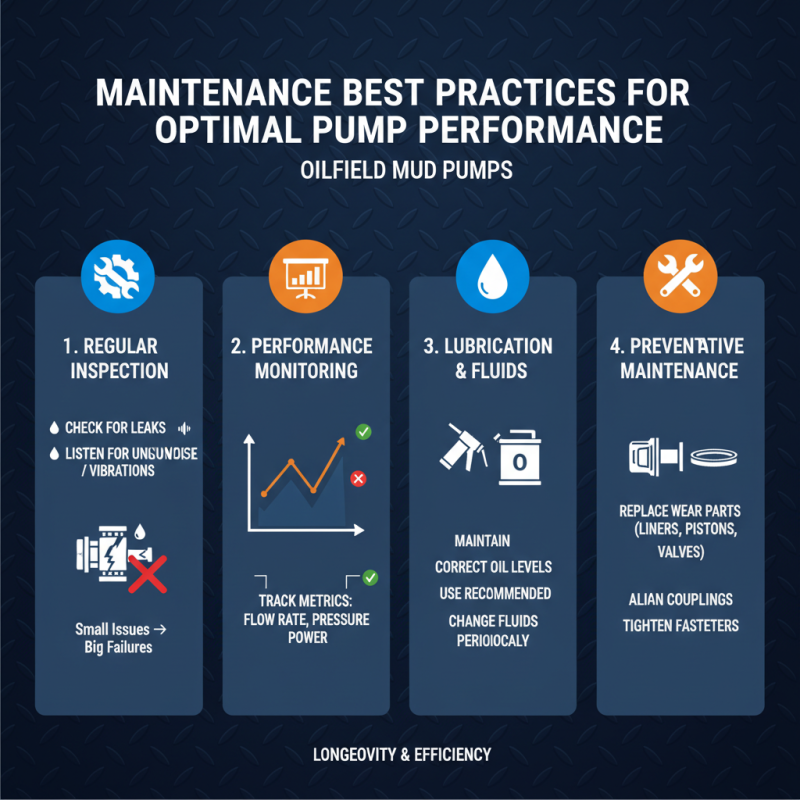
Tips: Regular maintenance of mud pumps is vital. Check for signs of wear and tear. Replace parts before they fail to avoid costly downtime.
Mud pumps come in various types: centrifugal, positive displacement, and gear pumps. Each has unique characteristics suited for different drilling environments. For instance, positive displacement pumps handle higher viscosity mud effectively. Understanding these types helps in selecting the right pump for specific needs.
Tips: Keep an eye on the pump's output pressure. It indicates when something may be wrong. Unexpected fluctuations can signal issues that need immediate attention.
The importance of mud pumps in the drilling process cannot be understated. They ensure safe and efficient drilling, ultimately impacting the success of oilfield operations. Ignoring their significance could lead to catastrophic failures and project delays.
Types of Oilfield Mud Pumps: Diaphragm, Centrifugal, and Piston Pumps
Oilfield mud pumps are crucial in the drilling process. They circulate drilling fluids, which cool and clean the drill bit. There are three main types: diaphragm pumps, centrifugal pumps, and piston pumps. Each serves a specific purpose and has unique characteristics.
Diaphragm pumps use a flexible membrane to move fluid. They are effective for handling viscous fluids and slurries. These pumps can create high pressure, making them ideal for challenging drilling conditions. However, they are not always the best for high-flow applications.
Centrifugal pumps are widely used due to their efficiency. They move liquids using a rotating impeller. This design allows for high flow rates with moderate pressure. They can struggle with thicker fluids, leading to inefficiency. Some reports indicate that using centrifugal pumps in improper applications can reduce overall performance.
Piston pumps rely on a reciprocating motion to draw and push fluid. They handle varying viscosity levels and can achieve high pressures. Yet, their design often results in more wear and tear. Maintenance can be intensive, leading to higher operational costs. A study by the Society of Petroleum Engineers shows that piston pumps require regular servicing to maintain optimal performance.
Key Components of Mud Pumps and Their Functions in Operation
Mud pumps play a crucial role in the drilling process of oilfields. Key components of these pumps include the motor, fluid end, and drive mechanisms. The motor powers the pump, converting electrical energy into hydraulic energy. This allows the pump to circulate drilling fluid or mud. The hydraulic energy is essential for maintaining pressure and ensuring efficient operations.
The fluid end is where the mixing and pumping of the drilling mud occurs. It includes components like the suction and discharge valves, which control the flow. Over time, these components wear out. According to industry reports, approximately 20% of drilling downtime is linked to mud pump failures. This statistic highlights the importance of regular maintenance and monitoring.
Drive mechanisms, often a combination of gears and belts, ensure optimal performance. They translate the motor’s energy into motion, driving the pump. Without proper calibration, the drive can become inefficient. Inefficiency can lead to increased costs in drilling operations. Thus, understanding these key components helps in achieving better performance and lower operational risks.
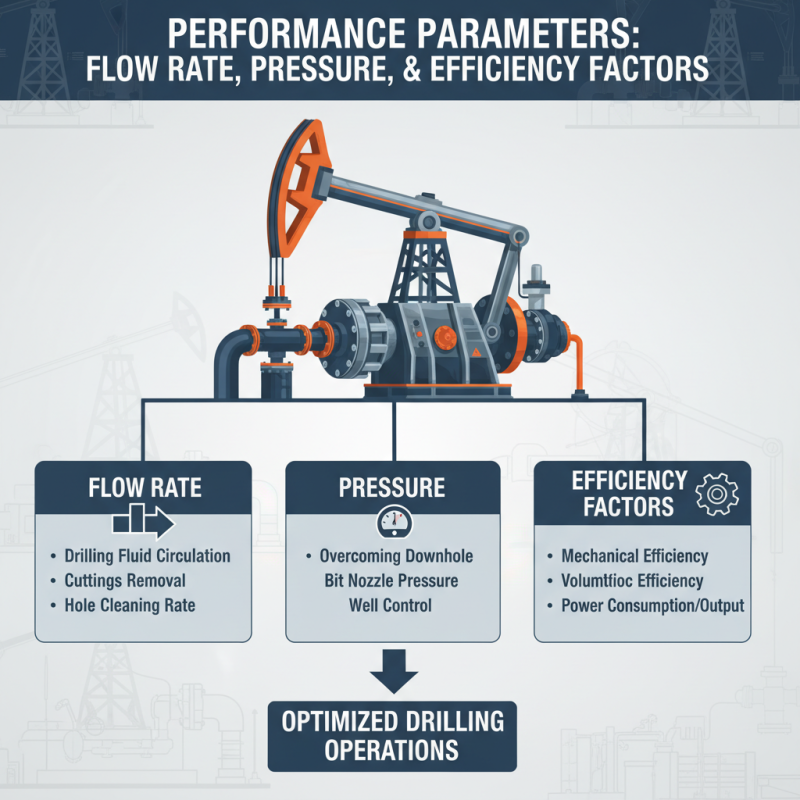
Performance Parameters: Flow Rate, Pressure, and Efficiency Factors
Oilfield mud pumps play a crucial role in drilling operations. Their performance directly impacts the efficiency of the entire drilling process. Flow rate, pressure, and efficiency are key parameters worth examining.
The flow rate of a mud pump typically ranges from 250 to 600 gallons per minute (GPM). This can vary based on the pump’s design and the viscosity of the drilling fluid used. At optimal conditions, pumps can maintain pressure levels of up to 7,500 psi. However, many factors influence these figures. For example, equipment wear and tear can significantly reduce efficiency. Industry reports indicate that nearly 30% of operators face performance issues due to inadequate maintenance.
Efficiency factors also involve the pump's operational environment. High temperatures and abrasive drilling conditions can drastically affect performance. For instance, increased heat can lower fluid viscosity, impacting flow rates. The challenge is to balance efficiency with operational robustness. Many pumps struggle under extreme conditions, leading to operational downtime. This indicates a need for better monitoring and maintenance practices in the field to ensure reliable performance.