What is Oil Drilling Equipment and How to Choose the Best?
Oil drilling is a complex and critical industry. Proper equipment is essential for efficiency and safety. According to Dr. Emily Vargas, a leading expert in Oil Drilling Equipment, "The right tools can make or break a drilling operation." This statement highlights the importance of selecting appropriate machinery.
Choosing the best Oil Drilling Equipment involves understanding various factors. Each project has unique demands. Equipment must match these demands to ensure success. From drills to pumps, every piece matters. However, many operators overlook vital aspects during selection. They may focus solely on cost, which can lead to poor performance.
Inexperienced teams often misjudge their requirements. This creates gaps in efficiency and safety. Relying on outdated equipment can pose risks. Dr. Vargas emphasizes, "It's not just about the latest technology; it's about fit for purpose." This calls for careful planning and consideration, ensuring operations run smoothly and safely.
What is Oil Drilling Equipment?
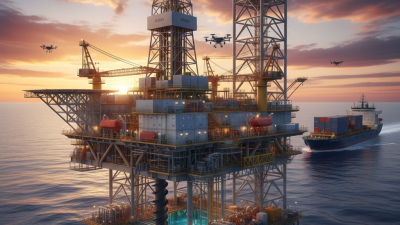
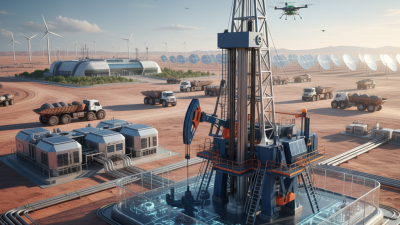
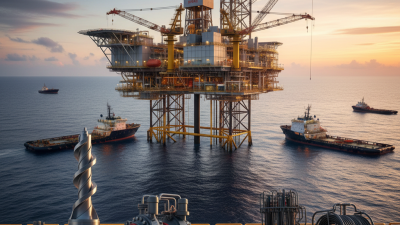
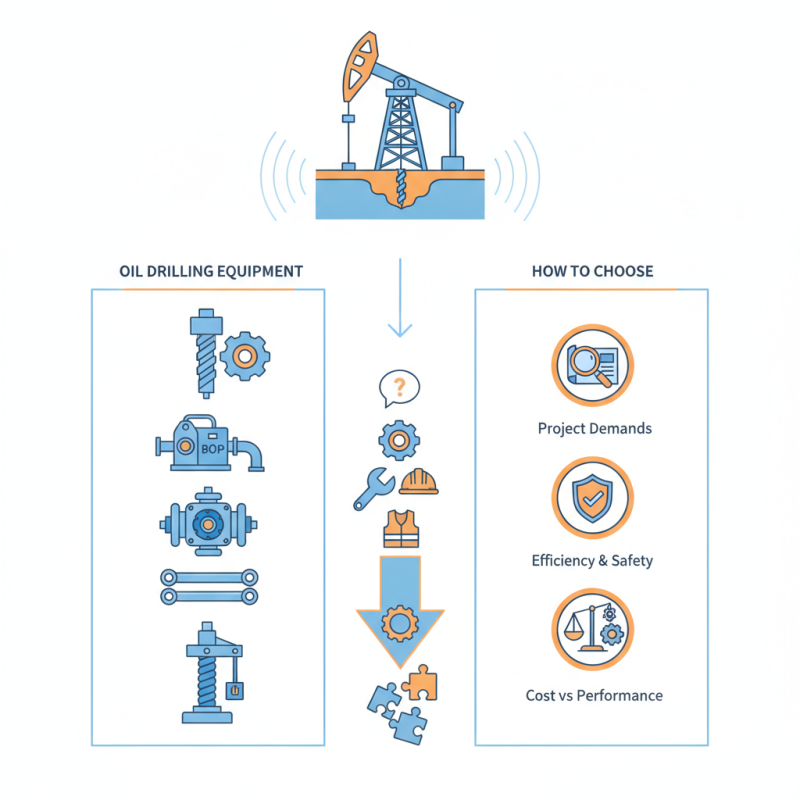
Oil drilling equipment is crucial in the extraction of crude oil. This machinery includes drills, rigs, and pumps. Each component plays a unique role in reaching oil deposits deep below the earth's surface. Understanding how these pieces work together is vital for successful drilling operations.
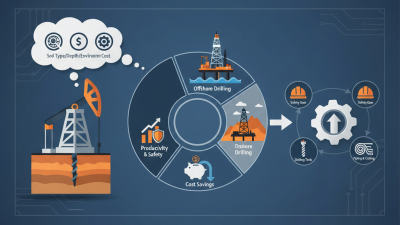
When choosing drilling equipment, one must consider several factors. The type of drilling, the depth of the target, and the formation characteristics are essential. Rigs can be onshore or offshore, impacting the choice significantly. Safety and reliability are paramount, as equipment failures can lead to costly delays and environmental hazards.
Moreover, not all equipment is created equal. There are cases where equipment fails to meet the demands of specific environments. This can lead to operational inefficiencies. Regular maintenance and updates are often overlooked yet can greatly affect performance. Recognizing these needs is part of a responsible approach to oil drilling.
Oil Drilling Equipment Usage by Type
This chart displays the percentage usage of various types of oil drilling equipment in the industry. The data represents a typical distribution of equipment used in drilling operations.
Types of Oil Drilling Equipment and Their Functions
When considering oil drilling equipment, understanding its types and functions is crucial. The drilling rig is the heart of any operation. It includes components like the rotary table, drill pipe, and the derrick. The rotary table turns the drill, while the derrick supports the heavy equipment. According to the Energy Information Administration, the global market for drilling rigs was valued at over $200 billion in 2022. This figure highlights the importance of using advanced technology in these rigs to enhance efficiency.
Drilling tools also play a significant role in the operation. Stabilizers, drill bits, and downhole motors are essential for optimal performance. Stabilizers keep the drill bit aligned, ensuring a straight path underground. Drill bits come in various types, such as roller cone and fixed cutter. They are crucial for penetrating different rock formations. Industry data shows that up to 70% of drilling costs come from selecting the right bit.
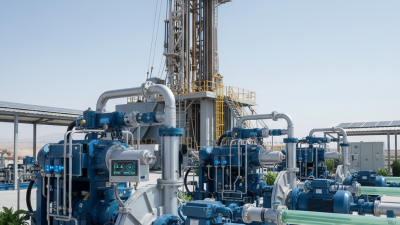
Moreover, the ancillary equipment cannot be overlooked. Mud pumps circulate drilling fluid, which cools the bit and removes cuttings. These pumps must have a high flow rate to manage the demands of deep drilling. Despite advancements, many companies still face challenges in choosing the correct equipment. Misalignments can lead to costly delays. The wrong pump may not deliver the required pressure, impacting the drilling operation. These issues reflect the need for careful assessment before equipment selection.
Factors to Consider When Choosing Oil Drilling Equipment
Choosing the right oil drilling equipment is crucial for efficiency and safety. Start by evaluating the specific needs of your drilling project. Consider the type of oil reservoir and the drilling environment. Different geological formations require different equipment. Ensure the equipment can handle the pressures and temperatures expected in the field.
One critical factor is the durability of the equipment. Drilling can be harsh on machinery, so opt for tools made from high-quality materials. Research the equipment’s reliability and maintenance history. Many expensive tools may look appealing but can be impractical in real-world conditions.
**Tips:** Always consult with experienced drilling engineers. Their insights can reveal equipment strengths and weaknesses. Don’t overlook the importance of after-sales support. Strong customer service can be vital for equipment longevity.
Think about the technological features as well. Advanced tools can enhance precision and safety. However, newer technology may also come with a learning curve. A balance between cutting-edge features and user-friendliness is essential. Make a list of necessary features before engaging with suppliers. It’s easy to get overwhelmed by flashy options, so stay focused on your essential needs.
What is Oil Drilling Equipment and How to Choose the Best? - Factors to Consider When Choosing Oil Drilling Equipment
| Equipment Type |
Purpose |
Key Features |
Considerations for Choosing |
| Drill Rigs |
To create the borehole |
Mobility, power requirements, rig type |
Terrain, depth of drilling, budget |
| Pump Units |
To move fluids |
Flow rate, pressure ratings |
Well characteristics, system compatibility |
| Downhole Tools |
For various drilling functions |
Durability, length, weight |
Type of formation, desired results |
| Mud Systems |
For cooling and cleaning |
Viscosity control, adaptability |
Local environmental regulations, well conditions |
| Casing and Tubing |
To support the borehole |
Material strength, size |
Drilling depth, formation pressure |
Maintenance and Safety Practices for Oil Drilling Equipment
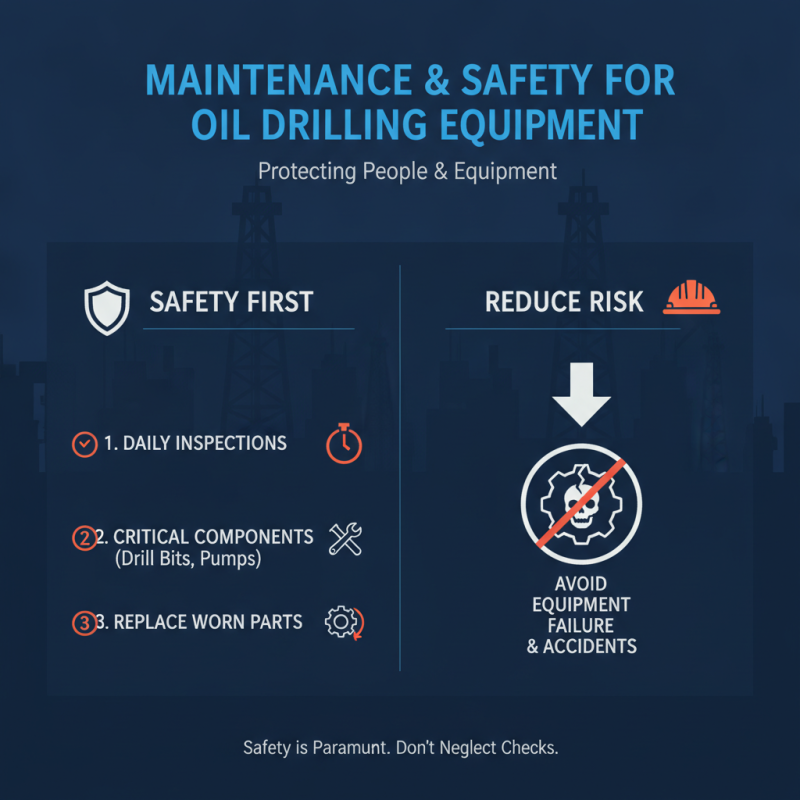
Safety is paramount when operating oil drilling equipment. Regular maintenance checks can significantly reduce the risk of accidents. This includes inspecting all critical components, like drill bits and pumps. Operators should conduct daily inspections before starting work. Any worn or damaged parts must be replaced immediately. Neglecting these checks can lead to severe equipment failure.
Training is another essential aspect of safety practices. Workers must understand how to operate equipment correctly. Regular safety drills can prepare them for emergencies. Keeping safety gear, like helmets and gloves, in good condition is also vital. However, many teams overlook this part, leading to accidents.
Documentation of maintenance and training is crucial. Records help track the equipment's condition over time. Reviewing these documents can highlight recurring issues. Ignoring patterns can prove costly later. Ensuring compliance with industry standards is not just a checklist task; it is a continuous commitment to safety and reliability.
Innovations in Oil Drilling Equipment Technology
Innovations in oil drilling equipment are driving efficiency and safety in the industry. Advanced drilling technologies are emerging, helping operators reach deeper reserves more effectively. For instance, the use of rotary steerable systems allows for precise borehole placement. According to a recent report by the International Energy Agency, these innovations can reduce drilling time by up to 30%.
The integration of automation in drilling equipment further enhances performance. Real-time data analytics improves decision-making during drilling operations. A survey revealed that 70% of companies experienced increased safety and reduced costs after automating their drilling processes. However, the implementation of such technologies raises questions about the dependency on machines. Over-reliance could lead to skill shortages among human operators, which is concerning.
Moreover, sustainability is becoming a priority in equipment design. Emerging materials and eco-friendly technologies aim to reduce the environmental impact of drilling. While these innovations are promising, challenges remain in balancing cost, efficiency, and sustainability. Industry experts caution that without proper regulations, some advancements may not lead to meaningful environmental improvements. As the oil sector evolves, continuous evaluation of these innovations is essential.