Top Oil Drilling Equipment Trends for 2026 What Buyers Need to Know
As we look towards 2026, the landscape of oil drilling equipment is poised for significant transformation. Buyers must adapt to quickly changing technologies that enhance efficiency and safety. These innovations promise to increase productivity while reducing environmental impacts, critical issues driving the industry's evolution.
Understanding current trends in oil drilling equipment is essential. Advanced robotics, automated systems, and IoT integration are reshaping operations. These advancements are not just a trend; they are becoming necessary for competitiveness. However, aligning new equipment with existing workflows poses a challenge for many companies.
Buyers should carefully evaluate their options. What works for one operation might not suit another. Flexibility and adaptability will be key in making informed purchasing decisions. Embracing change requires a willingness to reflect on previous choices. Being proactive now ensures preparedness for the future of oil drilling equipment.
Emerging Technologies in Oil Drilling Equipment for 2026
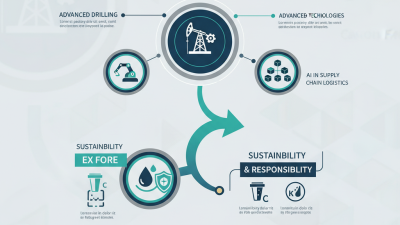
As the oil industry continues to evolve, new technologies are shaping the future of drilling equipment. In 2026, automation will play a significant role. Advanced drilling rigs with AI capabilities will enhance precision. Workers can then focus on strategic tasks rather than routine operations. This shift should improve safety and efficiency on drill sites.
Another trend is the integration of IoT devices. These devices will gather real-time data, allowing for better decision-making. However, this reliance on technology can introduce risks. System failures or cyber threats can disrupt operations. Companies must prioritize cybersecurity to protect sensitive information.
Moreover, environmental considerations drive innovation. Equipment designed for reduced emissions will become more common. Though these products may initially cost more, they can lead to significant savings in the long run. Adopting sustainable practices may challenge traditional methods, but they are crucial for compliance and public perception. Balancing profitability with responsibility will be essential.
Top Oil Drilling Equipment Trends for 2026
| Trend |
Description |
Impact |
Expected Adoption Year |
| Automated Drilling Technologies |
Implementation of robotics and AI to improve drilling efficiency. |
Increased efficiency and reduced operational costs. |
2026 |
| Advanced Sensors |
Utilization of IoT devices for real-time monitoring of drilling conditions. |
Enhanced decision-making and safety measures. |
2025 |
| Eco-Friendly Drilling Fluids |
Development of biodegradable and environmentally safe drilling fluids. |
Reduction of environmental impacts. |
2026 |
| Data Analytics Integration |
Use of big data to optimize drilling operations and predict failures. |
Increased reliability and reduced downtime. |
2025 |
| Virtual Reality Training |
Training personnel using VR technology for enhanced skills promotion. |
Improved safety protocols and operational efficiency. |
2026 |
Key Features and Innovations in Drilling Machinery
As we look toward 2026, oil drilling equipment is evolving rapidly. Innovations in drilling machinery focus on automation, which enhances efficiency. The global oil drilling market is projected to grow significantly, reaching approximately $89 billion by 2026. This growth pushes the need for advanced features in machinery.
Advanced sensors and real-time data analytics are pivotal. They allow operators to monitor drilling conditions instantly. Such technologies improve decision-making and reduce downtime. According to a recent industry report, facilities implementing these technologies saw a 30% increase in operational efficiency.
Tip: Stay informed on emerging technologies. Attend industry conferences and subscribe to relevant publications.
Another trend is the integration of eco-friendly solutions. This shift responds to environmental concerns. Many companies are researching alternatives like biodegradable drilling fluids. However, the efficacy of these solutions still requires more investigation.
Tip: Evaluate the environmental impact of your equipment choices. Sustainable options may offer long-term cost savings.
Buyers need to assess both performance and sustainability when selecting drilling machinery. The right combination will set the foundation for success in the future.
Shifts in Buyer Preferences and Demand for Eco-Friendly Solutions
As the energy sector evolves, buyer preferences are shifting dramatically. Many operators now prioritize eco-friendly drilling solutions. This trend stems from a growing awareness of environmental impacts. Companies are exploring options to reduce carbon footprints. Innovations in materials and machinery are making this possible.
Buyers are increasingly demanding efficient, sustainable equipment. They want technologies that minimize waste and maximize energy efficiency. These solutions often come with higher initial costs, yet they promise long-term savings. Embracing renewable energy sources, like solar and wind, is also gaining traction in drilling operations. The transition is challenging but necessary.
Some companies still struggle to adapt. There remains a reliance on traditional methods that may not align with eco-friendly goals. The hesitation often arises from fear of reduced productivity or increased expenses. However, the push for sustainability is undeniable. The future of oil drilling heavily leans towards responsible practices, regardless of the obstacles.
Top Oil Drilling Equipment Trends for 2026
This chart illustrates the projected buyer demand for various oil drilling equipment trends in 2026. Eco-friendly solutions are leading the demand, followed by automation and AI technologies, indicating a significant shift toward sustainable and innovative practices within the industry.
Market Trends Influencing Oil Drilling Equipment Purchases
The oil drilling equipment market is evolving rapidly. Buyers are now keenly interested in technologies that enhance efficiency and reduce environmental impact. New technologies, like digital drilling systems, are gaining traction. These systems provide real-time data analysis, helping operators make informed decisions quickly. It's essential for buyers to assess how these advancements can fit into their operations.
However, challenges remain. The supply chain for oil drilling equipment can be complex and unpredictable. Buyers need to be aware of potential delays and pricing fluctuations. Sustainability is another crucial factor influencing purchases. Companies are increasingly mandated to comply with stricter regulations focused on carbon emissions. This has led to a demand for eco-friendly drilling solutions.
Moreover, the global shift towards renewable energy cannot be overlooked. As investments in alternative energy rise, traditional oil sectors might face resource allocation issues. Buyers need to navigate these market dynamics carefully. Engaging with industry experts and keeping up with technological developments are vital steps for informed purchasing decisions. The landscape is changing, and adaptability will be a key driver of success in 2026 and beyond.
Impact of Regulatory Changes on Drilling Equipment Standards
Regulatory changes are reshaping the oil drilling equipment landscape in 2026. As environmental policies become stricter, equipment standards are evolving. Companies must navigate these new regulations to remain competitive and sustainable.
One significant change is the increased demand for eco-friendly technologies. Drilling rigs now comply with enhanced emissions standards. This requires integrating cleaner fuel options and advanced waste management systems. Companies may struggle with the cost of these upgrades but neglecting them could lead to compliance issues.
Moreover, equipment durability is also under scrutiny. New guidelines push for improved safety features and longevity in materials used. While these enhancements can raise initial investments, they lead to lower maintenance costs over time. However, many buyers are still hesitant, uncertain about the return on investment. Adapting to these changes is crucial for future success.