What is an Oilfield Mud Pump and How Does it Work?
In the oil and gas industry, the role of an Oilfield Mud Pump is crucial. These pumps are designed to circulate drilling fluid, also known as mud, during the drilling process. According to Dr. Emily Lawson, a renowned expert in drilling technologies, “The efficiency of an oilfield mud pump directly influences the success of drilling operations.” This statement emphasizes the importance of understanding how these pumps work.
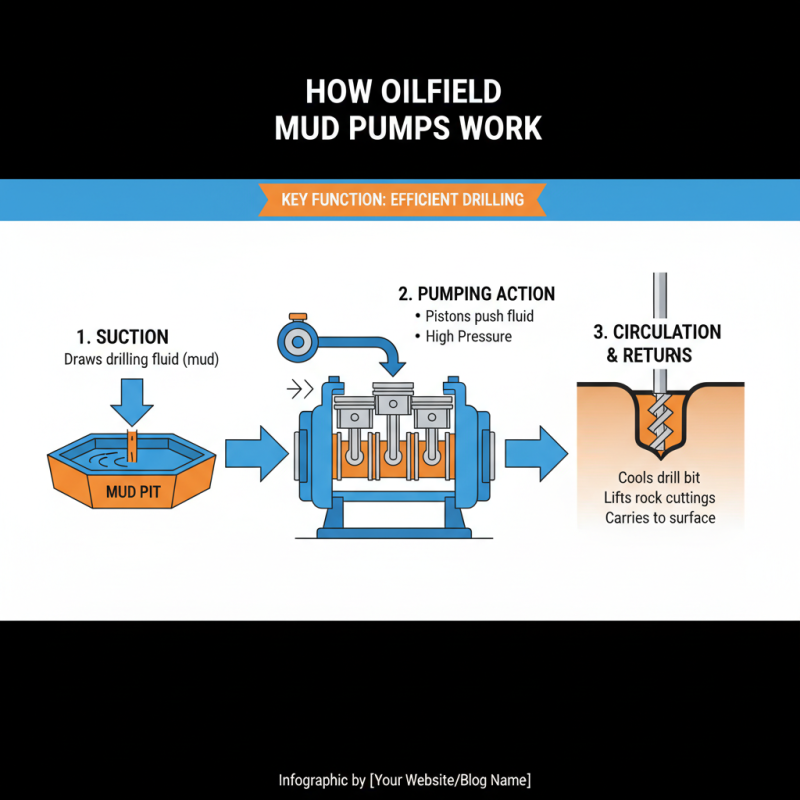
Oilfield Mud Pumps operate by creating pressure that pushes mud through the drill pipe. They ensure that the drill bit remains cool and removes cuttings from the well. The complexity of these pumps lies in their design, requiring precise engineering to handle high pressures and volumes. Each pumping system must be adapted to the unique conditions of the drilling site, including depth and geology.
There's room for improvement in the industry. Many operators encounter challenges with pump maintenance and performance. Understanding these issues can lead to better training and innovative solutions. The knowledge surrounding the Oilfield Mud Pump is essential for efficient drilling operations. As the industry evolves, staying informed and adaptable is key to overcoming future challenges.
What is an Oilfield Mud Pump?
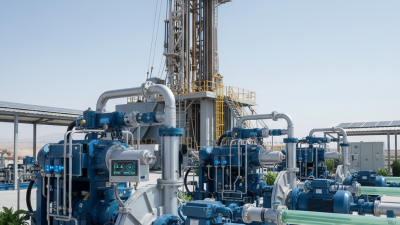
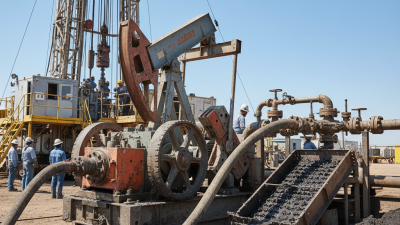
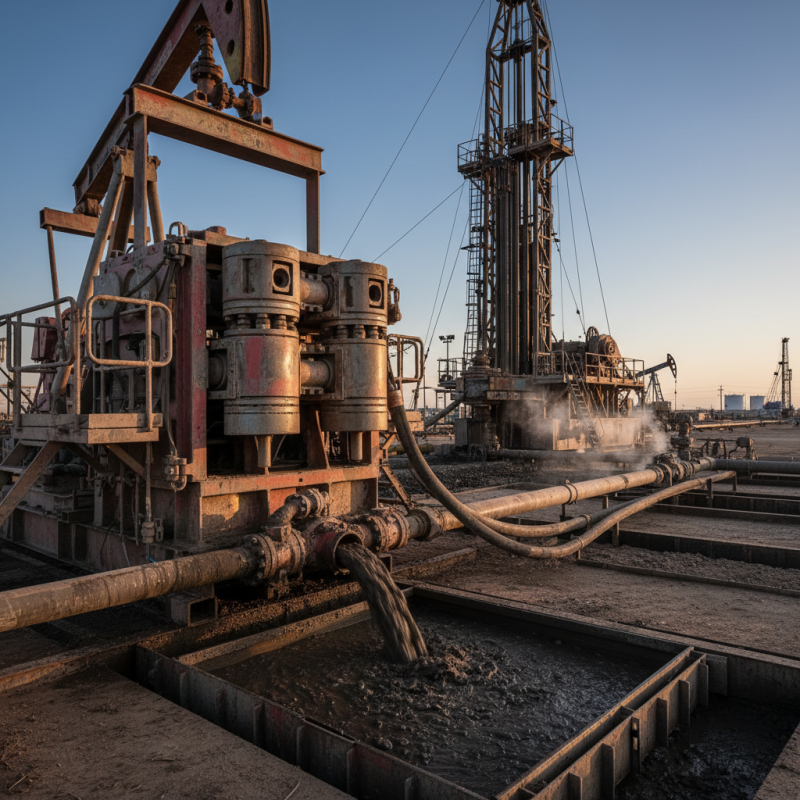
An oilfield mud pump is a critical component in the drilling operations of oil and gas industries. It is responsible for circulating drilling fluid, or mud, from the surface down to the drill bit and back. This fluid plays an essential role in cooling the drill bit, removing rock cuttings, and maintaining pressure in the wellbore.
Mud pumps typically operate on a triplex or duplex mechanism, which helps enhance their efficiency. According to industry reports, these pumps can handle high viscosity fluids, capable of delivering up to 1000 gallons per minute (GPM) under significant pressure. This capacity is essential for maintaining a stable drilling operation. However, the performance of a mud pump can be impacted by factors such as wear and tear of components and the fluid's chemical properties.
Operating an oilfield mud pump demands careful monitoring. Insufficient maintenance can lead to pump failures or inefficiencies, which can severely disrupt drilling operations. Various reports have highlighted that around 15% of drilling downtime results from equipment failure, including mud pumps. As drilling technology evolves, ensuring optimal function and longevity of mud pumps remains a challenge, emphasizing the need for skilled technicians and operational expertise in this critical area.
What is an Oilfield Mud Pump and How Does it Work?
| Aspect |
Description |
| Purpose |
Circulate drilling fluid in the borehole to remove cuttings, stabilize the well wall, and cool the drill bit. |
| Working Principle |
Utilizes suction and discharge mechanisms to move drilling mud through the system using pistons or rotary designs. |
| Types of Mud Pumps |
Triplex, duplex, and piston pumps are the most commonly used types in oilfield operations. |
| Key Components |
Includes the pump body, pistons, valves, drive system, and fluid inlet/outlet ports. |
| Applications |
Used in various drilling operations including land drilling, offshore drilling, and geothermal drilling. |
| Maintenance Considerations |
Regular inspection, cleaning, and replacement of wear parts are crucial for optimal performance. |
The Role of Mud Pumps in Drilling Operations
Mud pumps play a crucial role in drilling operations. They circulate drilling fluid, also known as mud, through the drill string and back to the surface. This fluid lubricates and cools the drill bit, while also helping to control the pressure in the borehole. A reliable mud pump ensures optimal fluid circulation, essential for efficient drilling.
In drilling, the quality of mud is vital. It carries away rock cuttings and prevents the collapse of the borehole. However, challenges arise. If the mud pump fails, the entire operation can be compromised. Issues like vibration or cavitation can lead to decreased performance. Regular maintenance of the pump is critical, yet often overlooked. Operators must pay attention to signs of wear or malfunction.
Understanding the dynamics of mud pumps can enhance drilling efficiency. Knowledge of the pump's specifications and capabilities helps operators make informed decisions. This expertise contributes to the overall success of drilling operations, highlighting the importance of continuous learning in the field.
How Oilfield Mud Pumps Operate Mechanically
Oilfield mud pumps are vital for the drilling process. Their primary function is to circulate drilling fluid, commonly known as mud. This fluid cools the drill bit and carries rock cuttings to the surface. A mud pump's operation is intricate yet essential for efficient drilling.
Mechanically, oilfield mud pumps typically use a piston or diaphragm design. The pump creates a vacuum to draw mud into the cylinder. As the piston moves, it builds pressure and forces the mud out through the discharge line. Different components play a role here. The valves, for instance, prevent backflow and ensure continuous flow. Each part must function flawlessly to maintain optimal performance.
While these pumps are engineered for reliability, they can face challenges. Wear and tear can lead to leaks or inefficiencies. Regular maintenance is crucial. Operators often overlook minor issues until they escalate into major problems. This aspect requires constant vigilance. Understanding the mechanics of mud pumps can help prevent downtime and improve drilling operations.
Types of Mud Pumps Used in the Industry
Mud pumps play a crucial role in oilfield operations. They circulate drilling fluid, also known as mud, during drilling. These pumps are essential for maintaining pressure and removing cuttings from the wellbore. In the industry, several types of mud pumps are commonly used, each offering unique advantages.
The positive displacement pump is one of the most popular types. It draws fluid into a chamber and expels it with a plunger action. This design allows for high-pressure outputs crucial in deep drilling. Another common type is the centrifugal pump. This pump utilizes a rotating impeller to increase fluid velocity. It is effective for low-viscosity fluids but may struggle with thick mud.
Challenges exist with each type. For example, positive displacement pumps require regular maintenance due to wear and tear from high pressures. In contrast, centrifugal pumps might not perform well with varying mud densities. Choosing the right pump involves understanding specific project needs and potential complications.
Maintenance and Troubleshooting of Mud Pumps
Mud pumps are essential in oilfield operations, directing drilling fluid from the surface to the drill bit. Regular maintenance is crucial to ensure reliability and efficiency. Proper upkeep can help avoid costly downtimes during projects.
Routine checks are vital for optimal pump performance. Inspecting fluid levels and ensuring seals are intact can minimize leaks. According to the Society of Petroleum Engineers, untreated wear can lead to 15% efficiency loss. Keeping an eye on the discharge pressure helps detect potential issues early.
**Tips:** Regularly replace worn-out components to extend pump life. Monitor vibration levels closely; unusual patterns can signal problems. Implementing a strict maintenance schedule also reduces unexpected breakdowns.
Understanding the common issues can aid in troubleshooting. Pump cavitation often occurs due to low fluid levels or blockages. This can be detrimental, leading to severe damage. Addressing these elements promptly is essential. Operators should also pay attention to the motor's performance; fluctuations can indicate electrical issues.