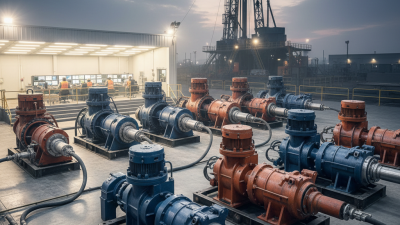
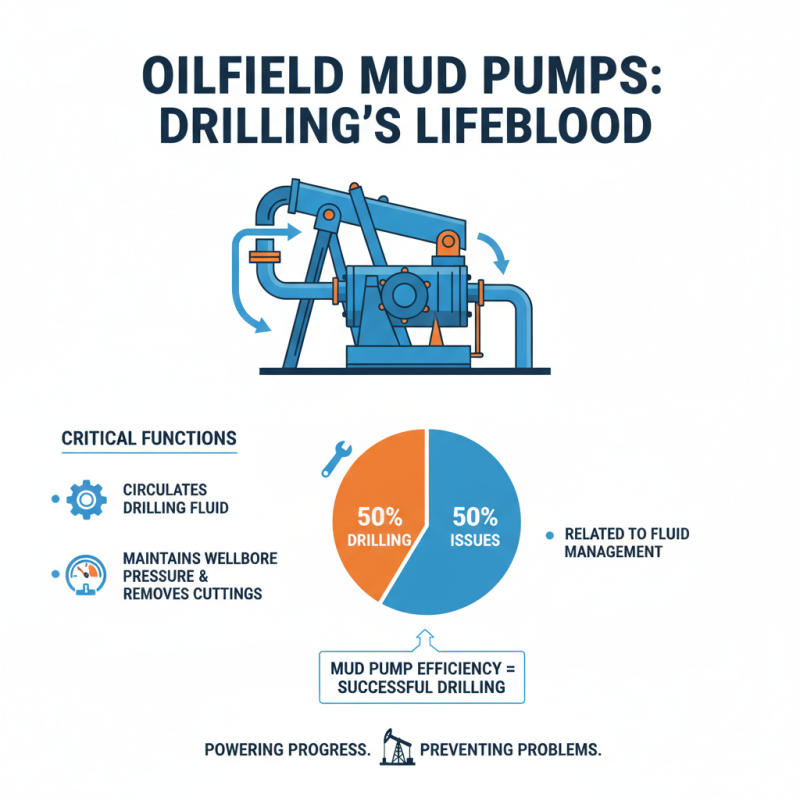
The effectiveness of an Oilfield Mud Pump is critical for drilling operations. It serves as a driving force behind the entire drilling process. Without a reliable pump, the drilling might face serious setbacks.
An Oilfield Mud Pump circulates drilling fluid. This fluid cools and lubricates the drill bit. It also helps remove cuttings from the wellbore. Improper functioning of the pump can lead to drilling delays. Such delays can increase costs and affect project timelines. Hence, maintaining the pump is a priority.
Investing in a high-quality Oilfield Mud Pump may seem costly, but it ensures efficiency. A well-maintained pump allows for steady drilling. However, not all companies prioritize this. Some may overlook pump maintenance, leading to potential failures. Reflecting on these choices can help improve overall drilling success.
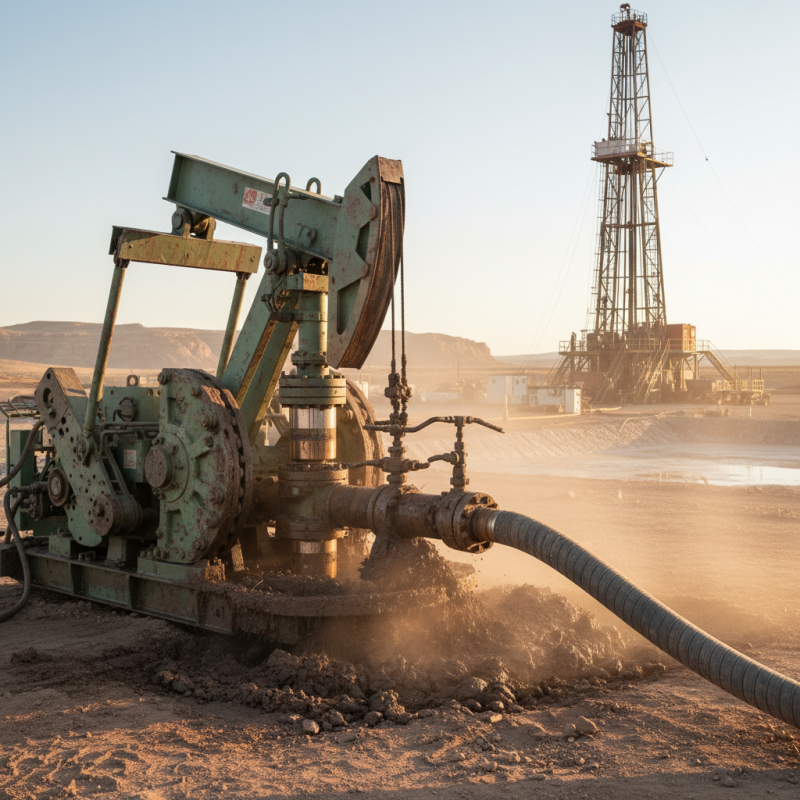
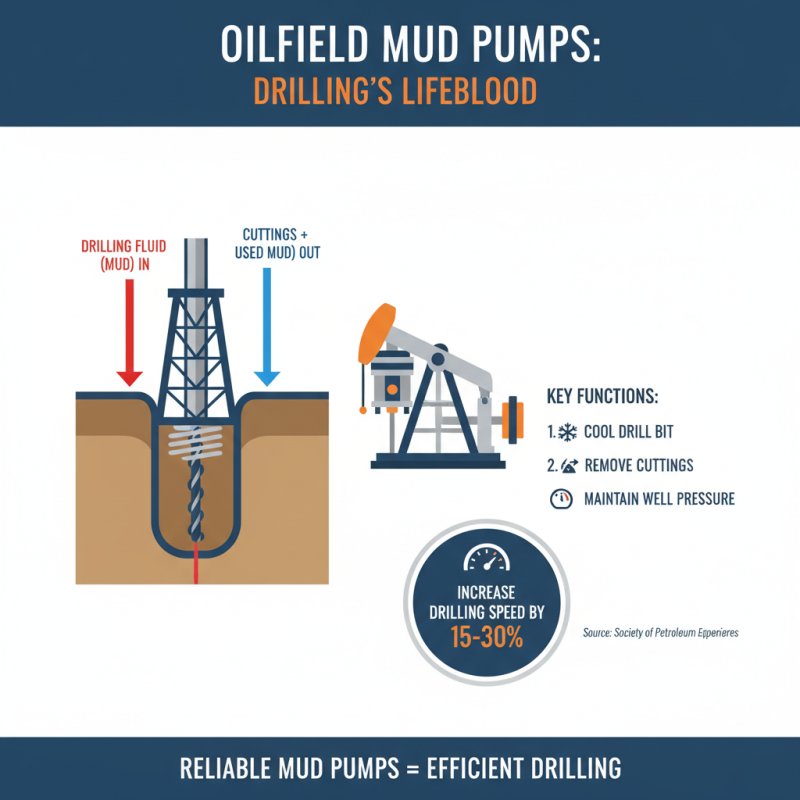
Oilfield mud pumps play a crucial role in drilling operations. They circulate drilling fluid, also known as mud, throughout the wellbore. The mud helps cool the drill bit, remove cuttings, and maintain pressure in the formation. According to a report by the Society of Petroleum Engineers, effective mud circulation can increase drilling speed by 15% to 30%. This highlights the importance of having reliable mud pumps.
A mud pump's efficiency directly impacts drilling costs. Inefficient pumps can lead to downtime, which is costly. Data shows that downtime can average $25,000 per day in the oil and gas industry. Inadequate mud management, compounded by pump issues, can exacerbate these costs and lead to longer project timelines. Proper maintenance of mud pumps is essential. Regular checks and preventive measures can save significant amounts in operational delays.
The choice of mud pump also affects overall drilling performance. Each well has its unique requirements. Utilizing the wrong pump type can complicate operations. Some operators may underestimate this impact. Yet, data indicates that 40% of drilling failures stem from poor mud circulation. This emphasizes that understanding mud pump dynamics is essential to drilling success.
Oilfield mud pumps play a pivotal role in the drilling process. These pumps circulate the drilling fluid, which is essential for maintaining pressure and removing cuttings from the wellbore. According to recent industry reports, up to 50% of drilling issues are related to fluid management. The efficiency of mud pumps directly impacts the overall success of drilling operations.
The primary function of mud pumps is to deliver the drilling fluid at a controlled rate. This helps in counterbalancing formation pressure and preventing blowouts. A study by the Society of Petroleum Engineers indicates that a consistent flow rate can significantly reduce non-productive time, which costs operators millions annually. Many teams underestimate the significance of optimizing pump performance.
Mud pumps also enhance well stability, aiding in smoother drilling. They help reduce friction and wear on drilling bits, prolonging their lifespan. However, it’s vital to regularly maintain these pumps to prevent failures. Unexpected breakdowns can lead to costly delays. A proactive approach to monitoring mud pump conditions is essential for drilling efficiency. Regular assessments can identify wear and tear, ensuring operational reliability and success in the field.
Mud pumps play a crucial role in the drilling industry. They circulate drilling fluid, also known as mud, to remove cuttings and maintain pressure. According to a study by the International Association of Drilling Contractors (IADC), nearly 75% of drilling failures can be traced back to issues with mud pumps. This statistic highlights the pump's importance in ensuring a successful drilling operation.
In terms of efficiency, recent industry reports show that high-performance mud pumps can improve drilling speed. A well-calibrated pump can increase penetration rates by up to 30%. This enhancement can lead to significant time and cost savings. However, it’s important to consider maintenance. Regular checks and repairs are vital. A lack of attention can result in downtime and increased costs. Even with the best pumps, failures can occur. It's a point of reflection for operators.
Performance metrics show that mud pump efficiency directly impacts overall drilling success. Research indicates that improper pump selection can lead to a 15% drop in overall performance. Monitoring these variables and understanding the data are key to optimizing operations. Yet, many in the industry overlook these factors. This common oversight can hinder progress and efficiency over time. Being aware of these performance statistics is essential for operational improvement.
The chart above showcases key performance metrics of oilfield mud pumps, which are crucial for drilling success. The data demonstrates the relationship between pump efficiency, maintenance hours, average discharge pressure, fluid flow rate, and failure rate, underlining the importance of these factors in ensuring optimal drilling operations.
When selecting a mud pump for oilfield operations, several factors come into play. The pump's capacity is crucial. It must handle the required flow rates for specific drilling depths. A pump with insufficient capacity can lead to drilling failures and increased costs. Therefore, understanding flow rate requirements is essential.
Another important aspect is the pump's efficiency. An efficient mud pump reduces energy consumption and operating costs. It also extends the equipment's lifespan. However, finding a balance between performance and efficiency can be challenging. Operators must analyze various models carefully and review existing performance data.
The type of drilling fluid used also influences mud pump selection. Different fluids have various viscosities and densities, which impact the pump's performance. Compatibility between the pump and the drilling fluid must be considered. Selecting the wrong pump for the fluid type can lead to issues like wear and tear. This decision process requires thorough reflection on past drilling experiences to avoid future mistakes.
Mud pumps play a vital role in drilling operations. They circulate drilling fluid, or mud, to the drill bit. This fluid cools the bit and carries rock cuttings to the surface. Effective mud pumps ensure optimal pressure and flow rates, essential for maintaining drilling efficiency.
Recent advancements in mud pump technology have greatly impacted drilling success. Improved designs enhance fluid displacement and reduce maintenance costs. Some pumps now feature variable speed drives. This allows for better control of mud circulation. However, challenges remain. Integrating new technology can sometimes lead to operational complications. Not every rig is equipped to handle advanced systems, creating inconsistencies in performance.
Moreover, as operators push deeper into challenging formations, reliance on mud pumps increases. The demand for efficient pumps highlights the need for ongoing research and development. While the industry has made significant progress, constant evaluation of mud pump efficiency is crucial. Ensuring compatibility with various drilling environments presents a continuing challenge that needs attention.