Top Rig Accessories for Enhanced Performance and Safety in Fishing
When it comes to fishing, choosing the right rig accessories can significantly impact your success. According to expert angler Sarah Johnson, "The right rig accessories enhance performance and ensure safety on the water." Her insights highlight the importance of these tools.
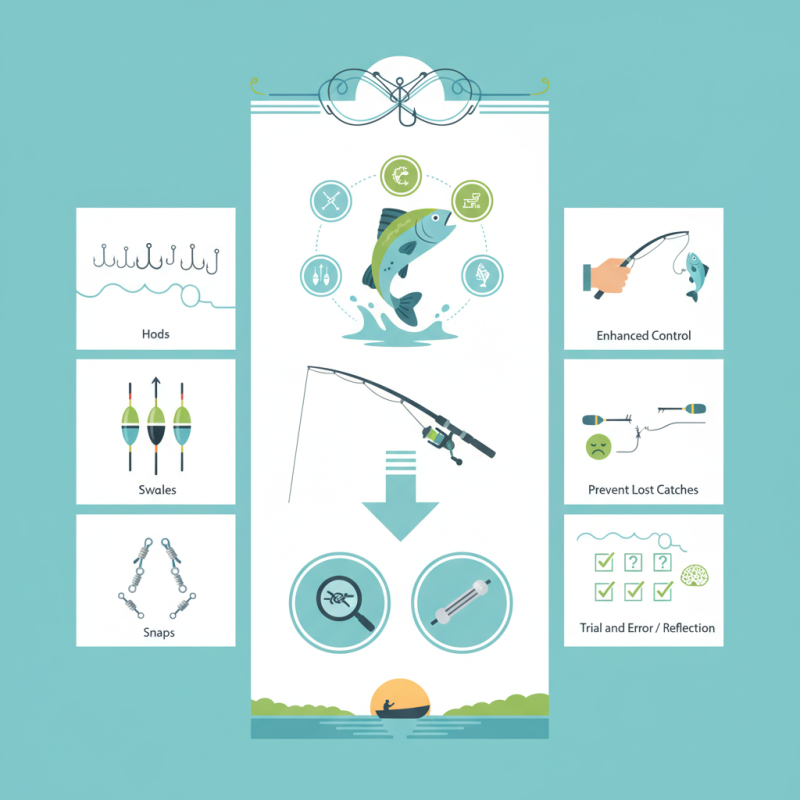
Rig accessories come in various forms, from hooks to bobbers. Each plays a role in creating an effective setup. Many anglers overlook the quality of these materials, which can lead to missed opportunities or unsafe situations. For example, a subpar knot or cheap swivel can fail when it matters most.
Moreover, having high-quality rig accessories can improve your fishing experience. It allows for better control and helps prevent lost catches. However, it is vital to assess what works best for your needs. Every fisherman has their preferences, and trial and error is part of the process. Reflecting on past experiences can lead to better choices in the future.
Essential Fishing Rig Components for Optimal Performance
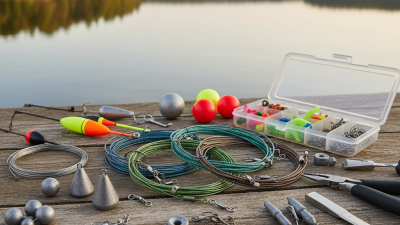
When it comes to fishing rigs, choosing the right components can significantly influence your performance. Key elements include hooks, weights, and swivels. Each piece plays a crucial role.
Hooks should be sharp and strong. They must match the type of fish you are targeting. Weights keep your bait submerged. Select the right size to suit water conditions.
Swivels help prevent line twists, ensuring your rig operates smoothly. A good swivel enhances your chances of catching more fish. Pay attention to line types as well. Braided line is strong and abrasion-resistant, but monofilament offers stretch and invisibility under water. Experiment with different combinations to find what works best for you.
Don’t overlook safety accessories, like a fishing net and pliers. These tools assist in handling fish responsibly. Be mindful when using sharp objects or dealing with hooks. Each trip teaches something new, whether about your gear or fishing techniques. Reflect on your experiences to improve consistently. Fishing not only challenges your skills but also encourages thoughtful practice.
Safety Gear for Fishing: Protecting Yourself on the Water
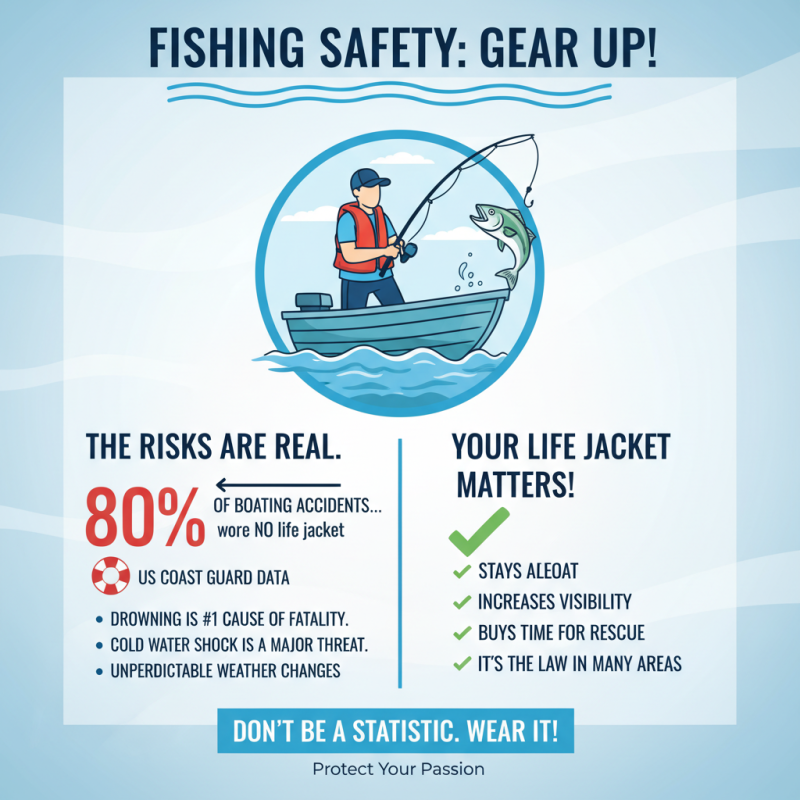
Fishing can be a thrilling activity, but safety must always come first. Many anglers underestimate the dangers present on the water. According to the U.S. Coast Guard, nearly 80% of boating accidents involve individuals who were not wearing life jackets. This statistic is alarming but highlights the importance of personal protective equipment.
Essential safety gear includes life jackets, signaling devices, and appropriate clothing. A life vest that fits well can save a life. It allows freedom of movement while ensuring flotation. Additionally, carrying a whistle or flares is crucial. These small items can alert others in case of emergency. In fact, a report from the American Boating Association shows that having a communication device onboard can reduce rescue times by up to 60%.
The right clothing is often overlooked. Waterproof jackets and non-slip shoes can prevent falls and hypothermia. Being wet in cold conditions can be dangerous. Many fishermen experience discomfort and distraction due to inadequate gear. This can lead to accidents, especially when handling fishing equipment on slippery surfaces. Reflecting on these details can enhance the overall fishing experience while improving safety. Prioritizing safety gear is not just smart; it’s essential for everyone’s well-being on the water.
Enhancing Bait Presentation with the Right Accessories
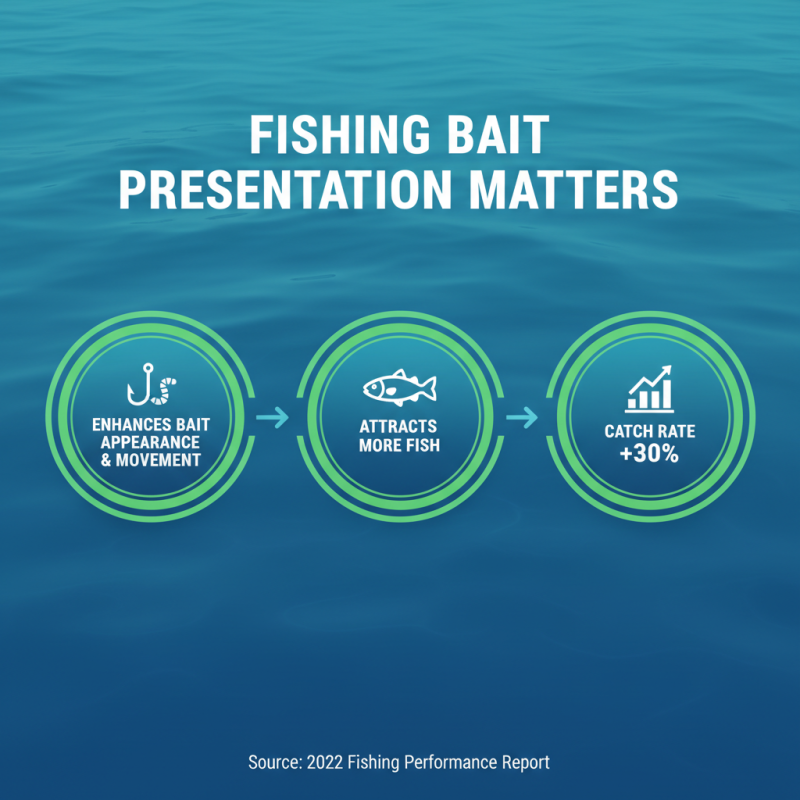
When fishing, bait presentation is crucial. The right accessories can significantly enhance how bait looks and moves in the water. Studies show that fish can be attracted by subtle changes in how bait appears. The 2022 Fishing Performance Report noted that effective bait presentation increases catch rates by up to 30%. That's a substantial boost, worth considering for any angler.
Using tackle like bait rigs or specialized hooks can make a noticeable difference. These accessories help to keep the bait in an ideal position. Proper alignment can mimic natural movement. Yet, sometimes, anglers overlook the importance of adjusting their setup. A poorly positioned bait can easily deter fish. An angler might feel frustration instead of satisfaction without realizing these small details.
Incorporating weighted accessories can also enhance the depth at which the bait is presented. Certain techniques suggest experimenting with different weights to gauge their impact. Adjustments can lead to greater success based on water conditions. While it might seem trivial, the right combination often turns an average day on the water into an unforgettable one. Fishing is as much about precision as it is about patience.
Tools for Rigging: Improving Efficiency and Effectiveness
When it comes to fishing, rigging plays a crucial role. The right tools can significantly enhance performance. A well-prepared rig ensures you spend less time fixing tangles and more time fishing. An efficient setup allows you to respond quickly to bites, increasing your catch rates.
Consider investing in high-quality lines and hooks. They may seem simple, but their quality can make a big difference. A sturdy line prevents breakage during battles with larger fish. Hooks with sharp points ensure solid catches. Always carry backups in your tackle box. You never know when you might need them.
Tackle trays can keep everything organized, saving precious time on the water. However, remember that over-packing can lead to confusion. Keeping your rig simple sometimes yields the best results. Reflect on past fishing trips; what worked well? What didn’t? Fine-tuning your gear based on experience can lead to more successful outings.
Maintenance Tips for Fishing Rigs to Ensure Longevity and Safety
Maintaining your fishing rig is crucial for longevity and safety. Regular inspections can reveal hidden issues. Check for frayed lines or rusted hooks. These small details can make a big difference. If you notice a problem, don’t ignore it. Fixing it now can save a catastrophic failure later.
Cleaning your rig after each use is vital. Saltwater can corrode materials quickly. Freshwater also carries debris that can cause wear. Rinse your equipment thoroughly, especially moving parts. This simple act can extend the life of your gear. Remember, being proactive is essential; waiting for something to break is risky.
Don't forget to store your rig properly. Keep it in a dry place, away from direct sunlight. Use protective cases when possible. Moisture can lead to mold, while heat can degrade materials. An organized space will help you keep track of your equipment. It’s easy to misplace something or overlook maintenance. Regular care ensures your rig stays ready for action.