What are Rope Block Sheaves and How Do They Work?
Rope Block Sheaves are essential components in various mechanical systems. They allow for the efficient movement of ropes, making them crucial in industries like construction and shipping. Understanding how Rope Block Sheaves function can greatly enhance their application.
These sheaves are grooved wheels that guide the rope and reduce friction. The design allows the rope to be redirected smoothly. When a load is applied, the sheaves help distribute weight evenly. This distribution is key for safety and functionality.
However, improper use of Rope Block Sheaves can lead to issues. If the rope is too thick, it may not fit well. This misalignment can cause damage over time. Reflecting on these details is vital for maximizing the effectiveness of Rope Block Sheaves in real-world applications.
What are Rope Block Sheaves?
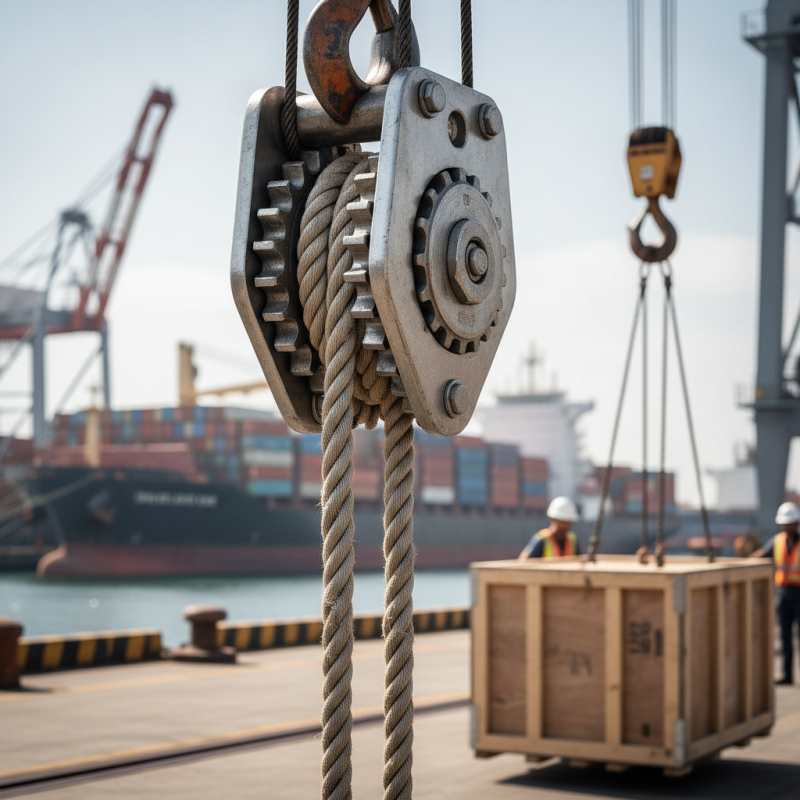
Rope block sheaves play a crucial role in numerous mechanical applications. These components are wheels designed to guide a rope or cable. They are often found in systems like pulleys and cranes, where they help in lifting heavy loads. Sheaves reduce friction and wear on ropes, increasing their lifespan.
When a rope runs over a sheave, it creates a smooth surface that minimizes resistance. The design can affect performance significantly. If the sheave's groove is too wide, the rope may slip. Conversely, a narrow groove can lead to increased wear. This balance is critical but sometimes tricky to achieve.
Many users may overlook the importance of regular inspections. Over time, dirt and debris can collect in the sheave's groove, affecting how the rope moves. It's essential to clean and maintain these components regularly. Neglecting this task can lead to decreased efficiency and potential failure. Being engaged with routine checks can save you from future mishaps.
The Anatomy of a Rope Block Sheave
Rope block sheaves are vital components in many lifting and pulling applications. Understanding their anatomy helps us grasp how they function. A sheave is a wheel on an axle designed to guide rope. It reduces friction and allows smoother motion. The grooves on the sheave are essential. They direct the rope into the correct path. The depth and shape of these grooves can vary. This affects how the rope behaves as it moves.
The material of the sheave plays a significant role too. It must balance strength and weight. Lightweight materials are excellent for mobility. However, they can compromise durability. This could result in wear and tear over time. Users often overlook this balance. The axle and bearings are also critical. They determine how freely the sheave can rotate. A stiff axle can lead to inefficiencies. Not every sheave performs optimally in every environment.
When selecting a sheave, consider the application. The diameter of the sheave impacts the moment of lifting. Larger diameters can help, but may be cumbersome. Each choice involves trade-offs. A well-functioning sheave can enhance performance. Yet, an improper fit leads to frustration. Observing these details ensures better outcomes in practical use.
How Rope Block Sheaves Function in Mechanical Systems
Rope block sheaves are crucial components in many mechanical systems. They guide and support ropes or cables, providing direction for pulling or lifting loads. In various industries, from construction to shipping, these parts make movement easier and more efficient.
Mechanical systems often face challenges, such as misalignment or friction. Rope block sheaves help reduce these issues. According to industry reports, equipment efficiency can improve by up to 30% when using well-designed sheaves. This is significant in operations where time and resources are critical. However, wear and tear is a common problem. Over time, sheaves may wear out or become misaligned, requiring regular inspection.
Through careful design, rope block sheaves can enhance the performance of complex systems. They work best when paired with the right materials and settings. Still, the need for maintenance is a reminder of the importance of vigilance in engineering. A small oversight can lead to larger failures. Effective management of these components is essential for optimal operations.
Understanding Rope Block Sheaves: Load Capacities
This bar chart illustrates the load capacities of different rope block sheaves. Understanding these capacities is crucial in mechanical systems where precision and safety are paramount.
Applications of Rope Block Sheaves in Various Industries
Rope block sheaves play a crucial role in many industries. They serve as vital components in lifting and rigging operations. These sheaves reduce friction and increase efficiency. Consequently, they are widely used in construction, shipping, and entertainment sectors. In construction, sheaves facilitate the movement of heavy loads. This makes it easier to lift materials to high places. In shipping, they help in managing cargo on ships and docks.
In entertainment, rope block sheaves support stage rigging. They allow for seamless movement of sets and lighting. These applications demonstrate their versatility. However, proper installation and maintenance are critical. Neglecting wear and tear can lead to accidents. Users should regularly inspect sheaves for damage. Often, operators overlook this aspect, leaving equipment vulnerable.
Rope block sheaves are typically made from durable materials. But, their effectiveness can diminish over time. This is a concern in high-demand environments. Operators may not always recognize when to replace them. Increased wear can lead to decreased performance and safety risks. It’s essential to maintain awareness of the condition of these components. Regular training can ensure users are knowledgeable and vigilant.
Maintenance Tips for Rope Block Sheaves to Ensure Longevity
Maintenance is crucial for rope block sheaves, ensuring they function smoothly. Regular inspections can reveal wear and tear. Look for cracks or unusual grooves. A small issue today can lead to bigger problems tomorrow. Sometimes, users overlook minor scratches. They may seem harmless at first but can worsen over time.
Lubrication is another key aspect. Using the right lubricant keeps sheaves moving freely. However, over-lubricating can attract dirt. This dirt can create friction, reducing efficiency. Cleaning the sheaves regularly helps prevent this buildup. Wipe away dust with a soft cloth and inspect for any foreign objects.
Storage matters too. When not in use, keep the sheaves in a dry place. Excess moisture can cause rust. A protective cover can also be beneficial. Even with precautions, accidents happen. Sometimes, users might forget these basics. Reflecting on maintenance habits can extend a sheave’s lifespan significantly.