Top 10 Well Drilling Machines Every Contractor Should Know?
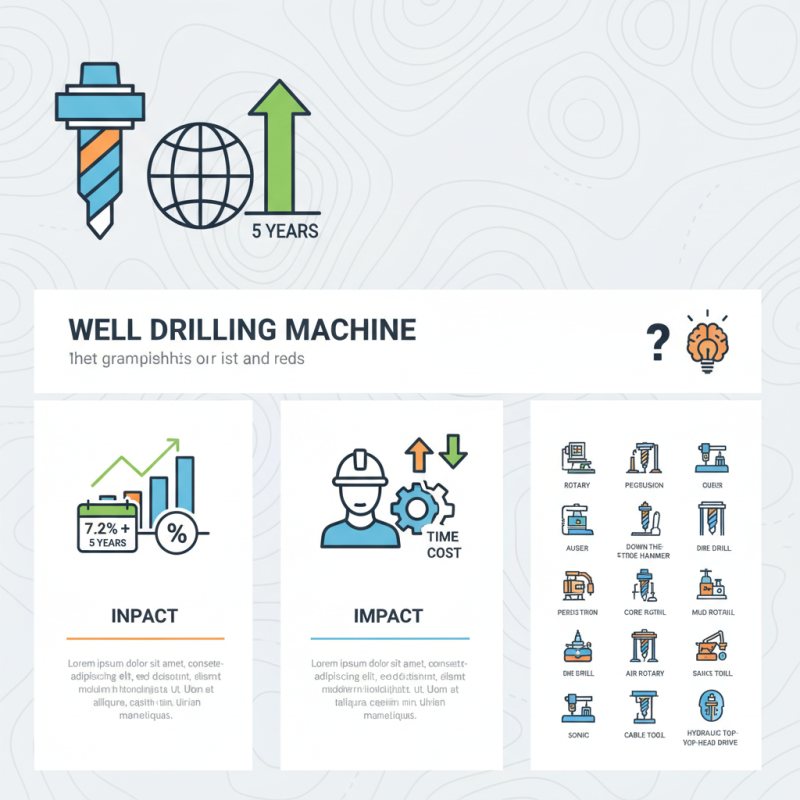
In the rapidly evolving construction industry, choosing the right equipment is crucial. One essential piece of machinery is the Well Drilling Machine. According to a recent report by the Global Drilling Equipment Association, the well drilling market is projected to grow at a rate of 7.2% annually over the next five years. This growth highlights the increasing demand for efficient drilling solutions.
Industry expert John Smith, a veteran in drilling technology, emphasizes the importance of selecting the right tool. He stated, "The right Well Drilling Machine can dramatically impact project timelines and costs." This insight resonates deeply as contractors face the challenge of balancing quality and efficiency.
Several machines stand out for their unique features and capabilities. However, identifying the best option can be overwhelming. It's essential to deeply understand each machine's specifications and their adaptability to various drilling conditions. In this competitive market, making informed choices is vital for success and sustainability.
Essential Types of Well Drilling Machines for Contractors
Well drilling is essential for many contractors. There are several types of machines that can help with this task. Each type serves a unique purpose in the drilling process.
Rotary drilling machines are popular for their efficiency. They use a rotating drill bit to penetrate the ground. These machines can work through various soil types. However, they can be expensive and require skilled operators. It's important to consider training for your team. Also, they may have higher fuel consumption, which adds to costs.
Cable tool rigs are another option. These machines rely on a heavy chisel and gravity to drill. They are not as fast as rotary rigs but can be effective in specific conditions. One drawback is that they might struggle in hard rock. Contractors need to be aware of site conditions before choosing this method. It’s crucial to weigh the pros and cons carefully when selecting equipment for your projects.
Key Features to Consider When Choosing a Drilling Machine
When selecting a well drilling machine, several key features can make all the difference. Consider the horsepower and torque. These factors greatly influence the machine's efficiency. A higher horsepower ensures it can penetrate tough soil layers without stalling. Torque helps in maintaining consistent performance under varying conditions. Pay attention to the weight of the machine too. Heavier models typically offer better stability during operation.
Tip: Always assess your project needs before choosing a machine. For instance, if you're working in rocky areas, consider a model with advanced drilling capabilities. A small machine may be easier to transport, but it might lack the power for heavier tasks.
Another important aspect is portability. If your projects are often in remote locations, a lightweight design is beneficial. Compact machines can easily be moved without extra equipment. However, don't overlook the durability. Some lightweight models may sacrifice robustness. It’s essential to find a balance between portability and strength.
Tip: Check user reviews about machine performance in real-world conditions. This can reveal flaws not mentioned in product descriptions. Understanding these gaps helps in making an informed decision, ensuring you choose a machine that truly fits your needs.
Top Manufacturers of Well Drilling Equipment in the Industry
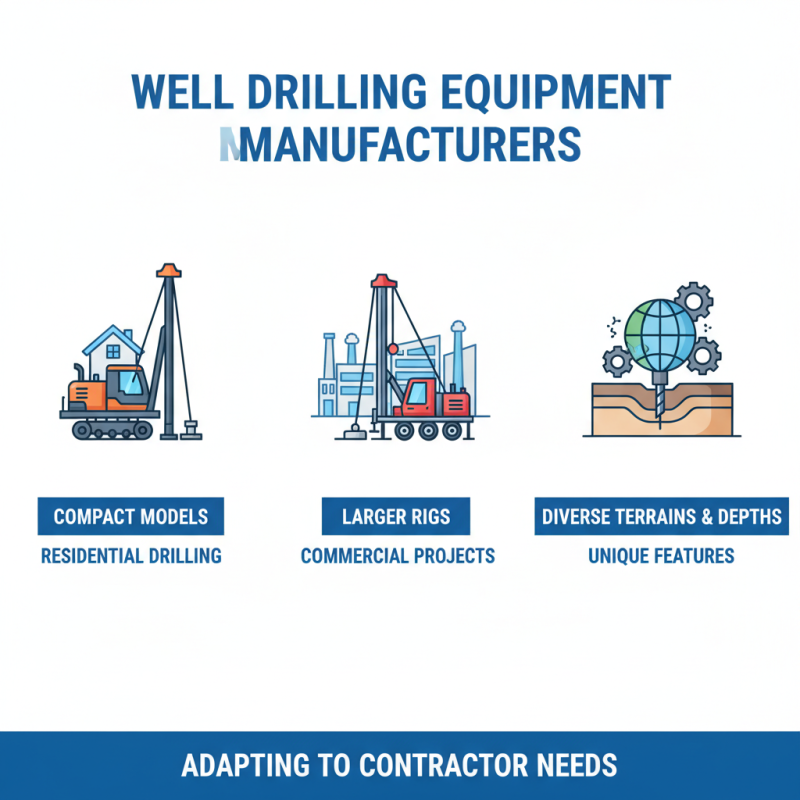
When it comes to well drilling equipment, several manufacturers stand out in the industry. They produce machines designed for diverse terrains and various depths. These machines range from compact models for residential drilling to larger rigs suitable for commercial projects. Each type has unique features, catering to the contractor’s specific needs.
Many contractors face challenges when selecting the right equipment. It's essential to consider the type of soil, depth of the water table, and total drilling area. Some manufacturers focus on portability, making it easier to move equipment from one site to another. Others prioritize durability and power, capable of tackling tough conditions.
Quality and reliability are critical factors in choosing well drilling machines. A poorly chosen machine can lead to numerous issues. Delays, excessive costs, and unsatisfactory results often stem from equipment failures. Contractors need to weigh different options and learn from past experiences. This reflection can help make better decisions for future projects.
Comparative Analysis of Popular Well Drilling Machine Models
When exploring well drilling machines, there are key features to consider. Some machines focus on portability, making them great for remote locations. Others prioritize power and depth capability. For example, smaller models might handle shallow wells effectively. However, their limitations become apparent in deeper water tables. Portability often sacrifices power; evaluating these trade-offs is essential.
The ease of operation varies significantly between models. Some machines come equipped with user-friendly controls. This can reduce the learning curve for new operators. However, more advanced features might yield better results. Assessing the machine’s ability to adapt to different soil types is also crucial. Certain models excel in rocky terrains, while others struggle. This variability can affect project timelines and costs.
Maintenance requirements are another point of concern. Some machines demand regular servicing to perform efficiently. This can lead to unexpected downtime. Understanding the specific needs of each model will save time and frustration. Contractors should consider not only the upfront costs but also long-term usability. Making the right choice in well drilling equipment requires careful analysis of these factors.
Top 10 Well Drilling Machines Performance Comparison
This chart compares the top 10 well drilling machines based on three key performance metrics: drilling depth (feet), average drilling speed (feet/hour), and weight (lbs). The data provides insight into the capabilities of each machine for contractors considering equipment options.
Maintenance Tips for Longevity of Well Drilling Machines
Well drilling machines are essential for contractors. To maximize their lifespan, proper maintenance is crucial. According to industry reports, up to 30% of machine failures stem from inadequate upkeep. Regularly scheduled maintenance can significantly reduce these risks.
Tips for maintaining your well drilling machines include checking hydraulic fluids monthly. Dirty fluids can lead to excessive wear and tear. Additionally, inspect components for wear and replace them as needed. This proactive approach minimizes costly breakdowns.
Another key tip is to keep the drilling area clean. Debris can damage machinery and affect performance. Record all maintenance activities to track patterns in issues. This data can help identify recurring problems and inform future maintenance strategies. Neglecting these practices can shorten the machine's functional life.