Discover Top Crown Blocks for Your 2026 Procurement Needs?
As industries evolve, the importance of reliable equipment rises. Crown blocks play a crucial role in drilling operations. These components are vital for lifting systems in the oil and gas sector. According to a recent report by the International Association of Drilling Contractors, Crown blocks can significantly affect operational efficiency and safety. Industry expert Dr. Emily Thompson emphasizes, "Choosing the right Crown blocks is essential for maximizing productivity."
In 2026, procurement strategies will require a focus on innovative designs. As technology advances, Crown blocks become more efficient and durable. Recent trends show that companies are investing heavily in advanced materials. This shift reflects a growing understanding of cost-effective solutions. Yet, the challenge lies in selecting the optimal product that aligns with specific operational needs.
Despite the availability of advanced options, the market presents risks. Buyers must navigate quality assurance and supplier reliability. Many procurement teams face tough decisions about balancing cost and performance. While some brands promise superior quality, others may fall short. Continuous reflection on these choices is necessary to mitigate potential failures and enhance operational success.

Identifying the Importance of Crown Blocks in Procurement Processes
Crown blocks play a vital role in procurement processes, especially in 2026. These pulleys support drilling operations and enhance efficiency. Their design and quality can significantly impact project outcomes. Understanding their importance is crucial for effective procurement strategies.
Effective procurement of crown blocks requires careful evaluation. Consider factors such as durability, load capacity, and compatibility with existing equipment. Establishing clear specifications is essential. It helps suppliers understand your needs, reducing misunderstandings later. A reliable supplier can also provide valuable insights based on their experience.
Tips: Always verify supplier credentials. Look for industry certifications. Regular communication with suppliers helps address any concerns promptly. Conducting thorough research on various options is crucial, but don't overlook the importance of trial runs. Testing equipment can reveal unexpected challenges. Being proactive today can save significant time and resources in the future.
Top Crown Blocks for 2026 Procurement Needs
This chart illustrates the projected demand for various crown block types, highlighting their significance in procurement processes for the year 2026.
Key Factors to Consider When Choosing Crown Blocks for 2026
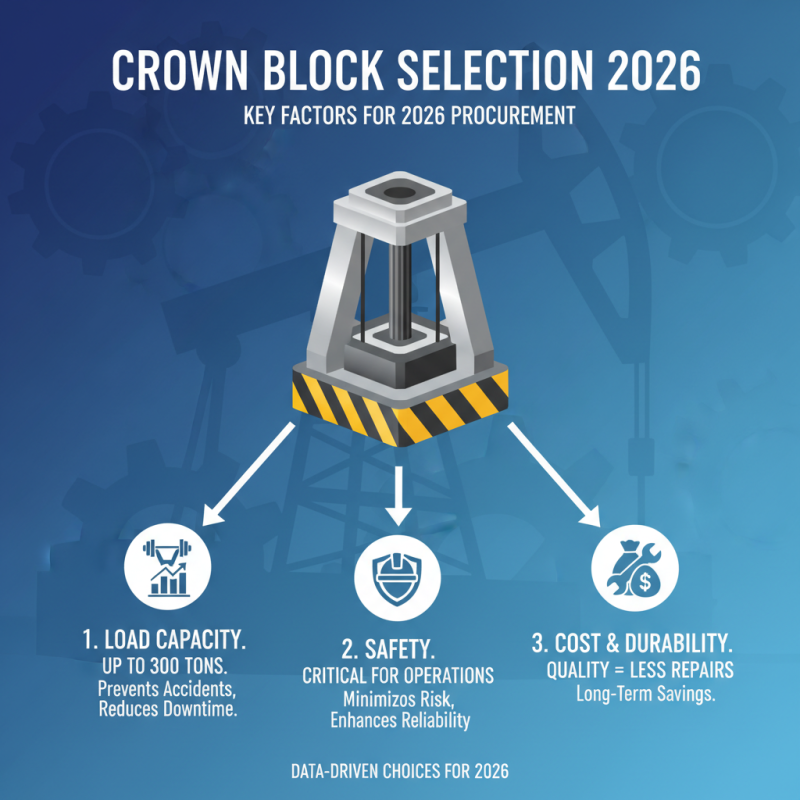
When selecting crown blocks for procurement in 2026, several factors are essential. First, consider the load capacity. Advanced data from recent studies shows that high-quality crown blocks should support up to 300 tons. Proper load handling minimizes the risk of accidents and enhances safety. Weak blocks may lead to increased downtime and costly repairs.
Material durability is another crucial factor. Reports indicate that crown blocks made from high-grade steel exhibit greater resistance to wear and corrosion. This directly impacts their lifespan. For instance, a study revealed that such blocks could last up to 30% longer than standard alternatives. Yet, buyers must also reflect on cost-efficiency. Investing in more durable materials may seem higher upfront but can reduce long-term maintenance costs significantly.
Pay attention to the block's design. Optimized designs allow for smoother cable operation. This compatibility with various wire ropes is vital. However, some blocks may function optimally only with specific types of ropes. Research suggests that recognizing these compatibility issues beforehand can prevent operational delays. Identifying the best fit involves balancing specifications with actual operational needs. This reflective approach can lead to better investment decisions.
Top Manufacturers and Suppliers of Crown Blocks to Consider
When exploring crown blocks for procurement in 2026, identifying top manufacturers is crucial. Industry reports highlight that the global crown block market is projected to reach $1.5 billion by 2026, with an annual growth rate of 6.8%. This growth reflects the ongoing demand for efficient drilling equipment across oil and gas sectors.
Key suppliers are investing heavily in innovation. Many are focusing on material upgrades to enhance durability and performance. For instance, advancements in synthetic materials are becoming common, offering weight reduction without compromising strength. A 2022 report from the International Association of Drilling Contractors found that crown block failures can increase operational downtime by approximately 15%. This data underscores the importance of selecting reliable manufacturers.
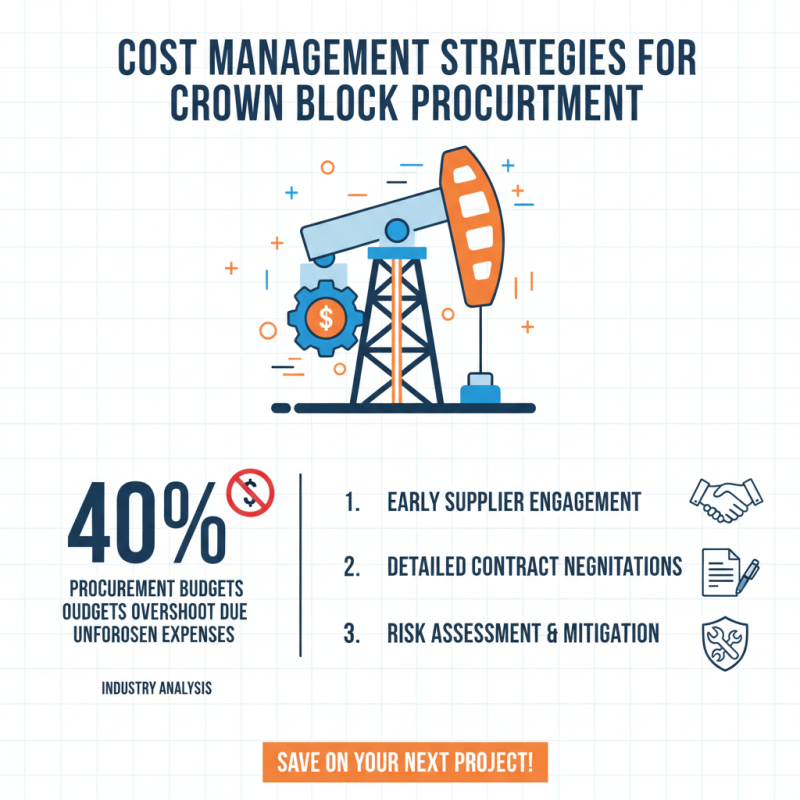
Additionally, potential procurement teams should assess supply chain reliability. Supplier delays can significantly impact projects. A recent survey indicated that 40% of drilling companies experience delays due to inconsistent supplier performance. This insight prompts reflection on the importance of not only product quality but also supplier reliability in the procurement process.
Innovative Technologies Impacting Crown Block Design in 2026
In 2026, crown block designs are evolving rapidly. These advancements focus on enhancing efficiency and safety in drilling operations. Innovative technologies are at the forefront of this transformation. Lightweight materials make crown blocks more flexible. This reduces wear and tear on equipment.
Automation is another game changer. Smart technology can monitor the block's performance in real-time. This allows for immediate data analysis. With this information, operators can make informed decisions quickly. However, reliance on technology raises a concern. It’s crucial to remain vigilant and not overlook manual checks.
Sustainability also plays a role in the design. New materials are being developed that are eco-friendly. These innovations are good for the planet but may increase costs initially. Companies must weigh the long-term benefits against immediate expenses. As we look forward to 2026, the need for innovative solutions will drive the industry. Balancing technology and traditional methods remains a challenge.
Discover Top Crown Blocks for Your 2026 Procurement Needs
| Crown Block Model |
Weight Capacity (tons) |
Material |
Innovative Features |
Projected Cost (USD) |
| Crown Block A |
150 |
Aluminum Alloy |
Smart Load Monitoring |
$25,000 |
| Crown Block B |
200 |
High-Strength Steel |
Self-Lubricating Bearings |
$30,000 |
| Crown Block C |
175 |
Composite Material |
Integrated Sensor System |
$28,000 |
| Crown Block D |
220 |
Titanium Alloy |
Advanced Weight Distribution |
$35,000 |
| Crown Block E |
160 |
Carbon Fiber |
Vibration Dampening |
$22,000 |