Top 10 Drilling Mud Pumps You Should Know About?
Drilling Mud Pumps play a crucial role in the drilling industry. They are essential for circulating drilling fluids. These pumps help maintain pressure and stability in the borehole.
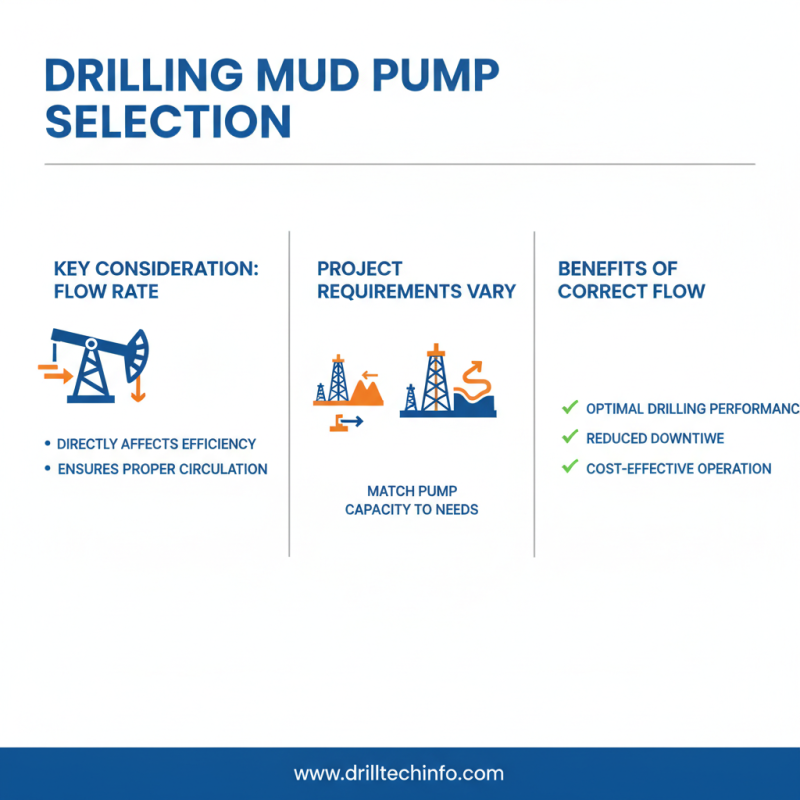
Choosing the right Drilling Mud Pumps can be challenging. Many options exist, each with unique features. Factors like flow rate, pressure, and durability matter significantly. The best pump can enhance drilling efficiency and reduce downtime.
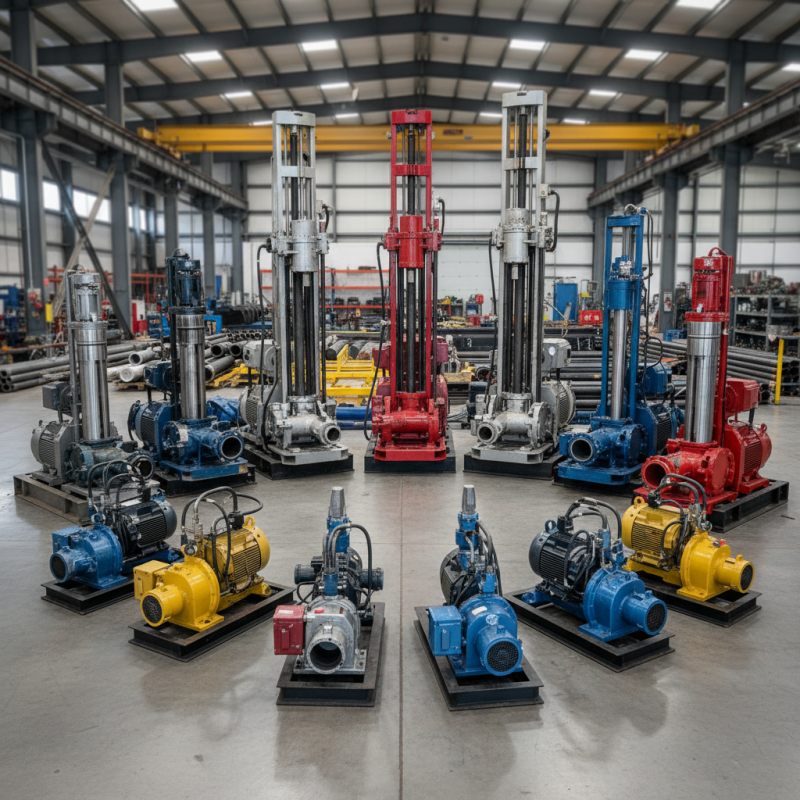
In this article, we will explore the top 10 Drilling Mud Pumps. Each selection reflects performance and reliability. Understanding these pumps is vital for anyone involved in drilling projects. Picking the wrong pump can lead to costly mistakes. Let’s dive into the details of each pump type.
Overview of Drilling Mud Pumps and Their Importance in Drilling Operations
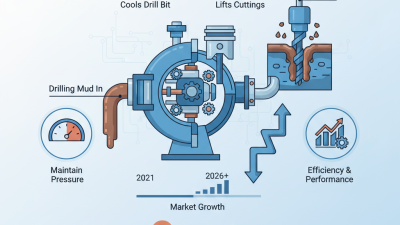
Drilling mud pumps play a crucial role in drilling operations. These pumps circulate drilling fluid, or mud, to cool bits, stabilize boreholes, and remove cuttings. They are essential for efficient drilling and preventing costly downtime. According to a recent industry report, improper management of drilling fluids can lead to a 30% increase in project costs.
Effective pumping systems influence overall drilling performance. Research shows that high-efficiency mud pumps can improve circulation rates by 20%. This reduction in time directly correlates with faster well completion and reduced operational risks. However, not all drilling operations leverage optimal pump technologies. A significant number of projects still use outdated pumping systems, leading to inefficiencies and higher maintenance costs.
The choice of a mud pump can impact environmental safety as well. Inefficient pumps may result in spills or leaks. An industry survey highlighted that 25% of drilling accidents could be traced back to poor fluid management. Improving pump technology and practices can mitigate these risks. Investing in proper training and equipment is essential. The data suggests that organizations focusing on upgrading their pumping systems see a notable decline in accidents and enhanced productivity.
Top 10 Drilling Mud Pumps: A Comparative Analysis
When comparing drilling mud pumps, understanding their features is crucial. These pumps serve as the lifeline in drilling operations. They handle the circulation of drilling fluids, which cool and lubricate the drill bit. Each type of pump has its unique specifications and capabilities.
In examining their performance, flow rate and pressure are vital metrics. Some pumps excel in high-pressure scenarios, ideal for deep drilling projects. Others may offer better efficiency in shallower applications. However, the choice of pump often depends on specific project requirements. Relying on a single type may result in underperformance or inefficiencies, creating unexpected challenges.
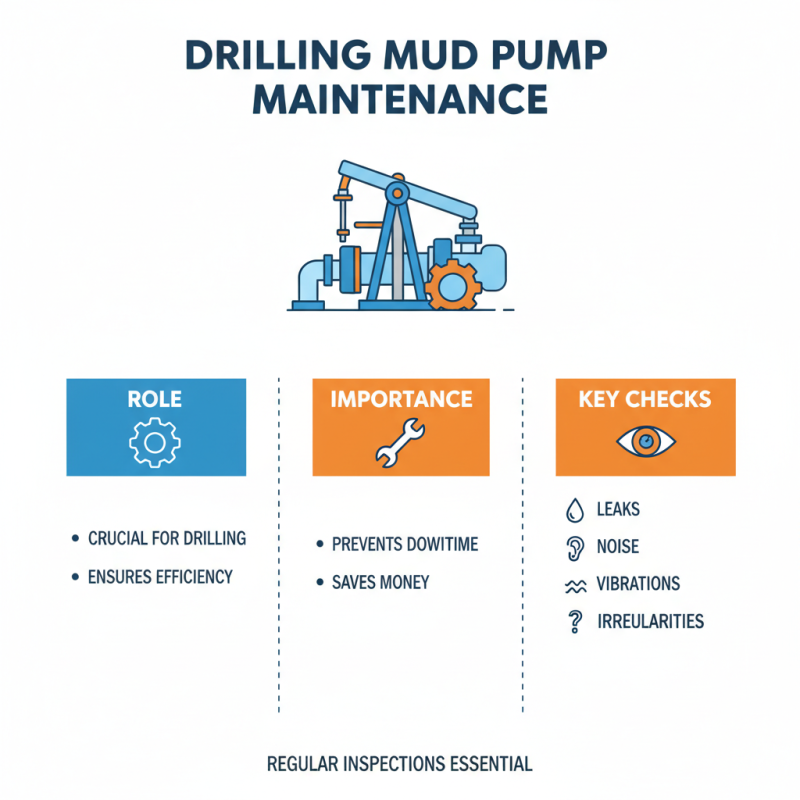
Additionally, maintenance is a critical aspect. Regular checks can prevent costly breakdowns. Operators should also be aware of wear and tear. Some designs are prone to frequent issues, leading to downtime. Challenges with compatibility can arise when different systems are integrated. It’s essential to evaluate these factors carefully, as overlooking them may affect productivity in the field.
Top 10 Drilling Mud Pumps - Performance Comparison
Future Trends in Drilling Mud Pump Technology and Innovation
In the ever-evolving world of drilling, mud pump technology is witnessing significant advancements. Future trends indicate a shift towards efficiency and sustainability. Reports suggest that by 2025, smart pumps will dominate the market, equipped with real-time monitoring capabilities. These pumps can optimize performance, reduce downtime, and extend service life.
Innovations in material science are also crucial. New ceramic and composite materials are enhancing durability. According to industry analysis, using advanced materials can reduce wear and tear by up to 30%. This impacts operational costs positively and makes pumps more reliable over time.
**Tips:** When selecting a mud pump, consider its energy efficiency. Pumps with variable frequency drives can save energy. Regular maintenance is essential; it prolongs equipment life and ensures optimal performance. Avoid common pitfalls by training your team on new technologies. Understanding capabilities leads to better decision-making in the field.
Top 10 Drilling Mud Pumps You Should Know About
| Rank |
Pump Type |
Max Flow Rate (GPM) |
Max Pressure (PSI) |
Power Source |
Key Feature |
| 1 |
Triplex Pump |
300 |
5000 |
Electric |
High Efficiency |
| 2 |
Diaphragm Pump |
250 |
3500 |
Hydraulic |
Positive Displacement |
| 3 |
Vertical Pump |
200 |
4000 |
Electric |
Compact Design |
| 4 |
Rotary Lobe Pump |
180 |
3500 |
Diesel |
Gentle Handling |
| 5 |
Piston Pump |
350 |
6000 |
Electric |
High Pressure |
| 6 |
Progressive Cavity Pump |
400 |
2500 |
Electric |
Versatile Applications |
| 7 |
Gear Pump |
220 |
3000 |
Hydraulic |
Smooth Operation |
| 8 |
Centrifugal Pump |
500 |
1500 |
Electric |
High Flow Rate |
| 9 |
Vacuum Pump |
150 |
2000 |
Electric |
Ideal for Slurries |
| 10 |
Multistage Pump |
350 |
8000 |
Electric |
High Output Pressure |