Top 10 Hydraulic Pump Units in China for Optimal Performance?
In recent years, the demand for efficient Hydraulic Pump Units has surged in various industries across China. These units play a vital role in hydraulic systems, providing essential force and powering machinery. Their reliable performance directly impacts productivity and operational efficiency.
China boasts numerous manufacturers producing high-quality hydraulic pump units. However, with so many options available, selecting the right one can be challenging. Each unit varies in design, functionality, and specifications, which influences its overall performance. It is crucial to understand these differences to make an informed decision.
Moreover, as technology evolves, newer models offer improved efficiency and reduced energy consumption. Evaluating these advancements is essential for businesses aiming for optimal performance. A careful choice of hydraulic pump units can lead to significant cost savings and enhanced system reliability. Understanding the intricacies of these units is critical in today's competitive landscape.
Overview of Hydraulic Pump Units and Their Importance in Industry
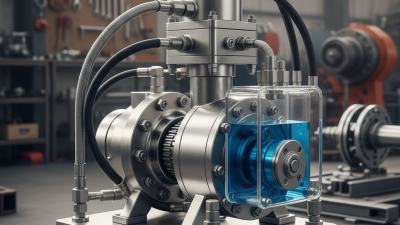
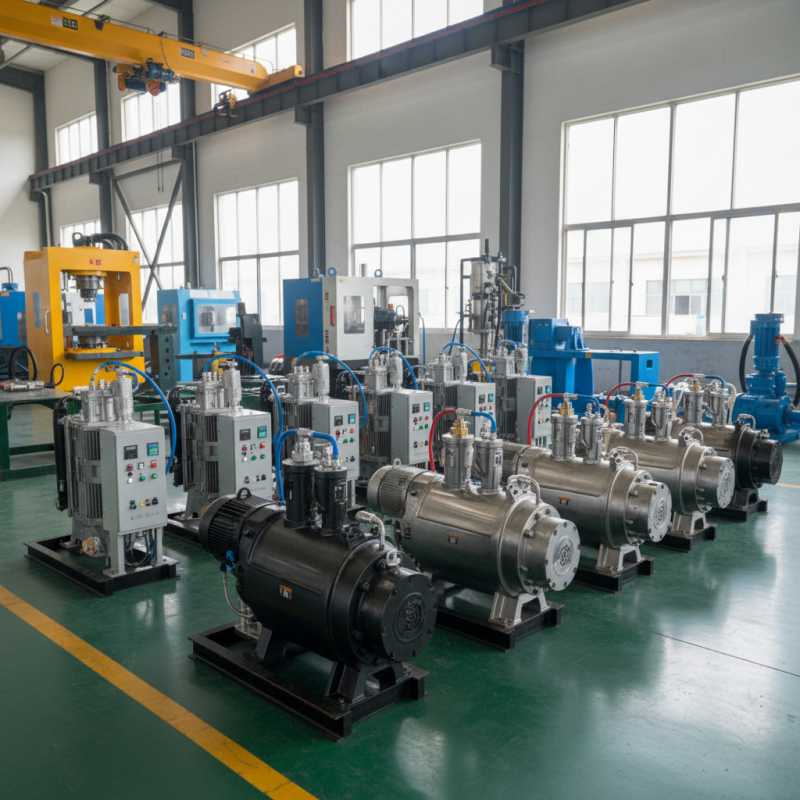
Hydraulic pump units play a crucial role in various industrial applications. They convert mechanical energy into hydraulic energy, powering machinery and systems. This process enables essential functions in construction, manufacturing, and transportation sectors. In a hydraulic system, the pump is vital for maintaining pressure and facilitating fluid movement. Without efficient pump units, operations would slow down significantly.
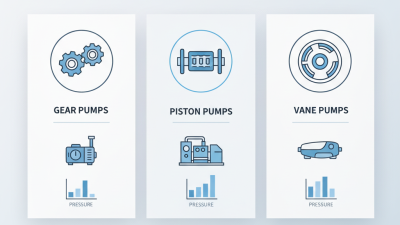
The design and efficiency of hydraulic pumps can greatly influence performance. Many industries rely on these units for optimal functioning. The choice of pump affects fluid flow rates, pressure levels, and overall system productivity. However, selecting the right hydraulic pump unit can be complex. Factors like operational environment and load requirements should be carefully assessed.
Even experienced engineers may overlook critical details during the selection process. Misjudgments can lead to inefficiencies and increased operational costs. Therefore, continuous evaluation and adaptation are essential. Companies should prioritize training and research to keep up with advancements in hydraulic technology. Fostering a culture of learning and improvement will yield better performance in the long run.
Top 10 Hydraulic Pump Units in China for Optimal Performance
This bar chart illustrates the performance metrics of the top hydraulic pump units in China, comparing their flow rates (L/min) and efficiency (%) to highlight their capabilities in industrial applications.
Criteria for Evaluating Performance in Hydraulic Pump Units
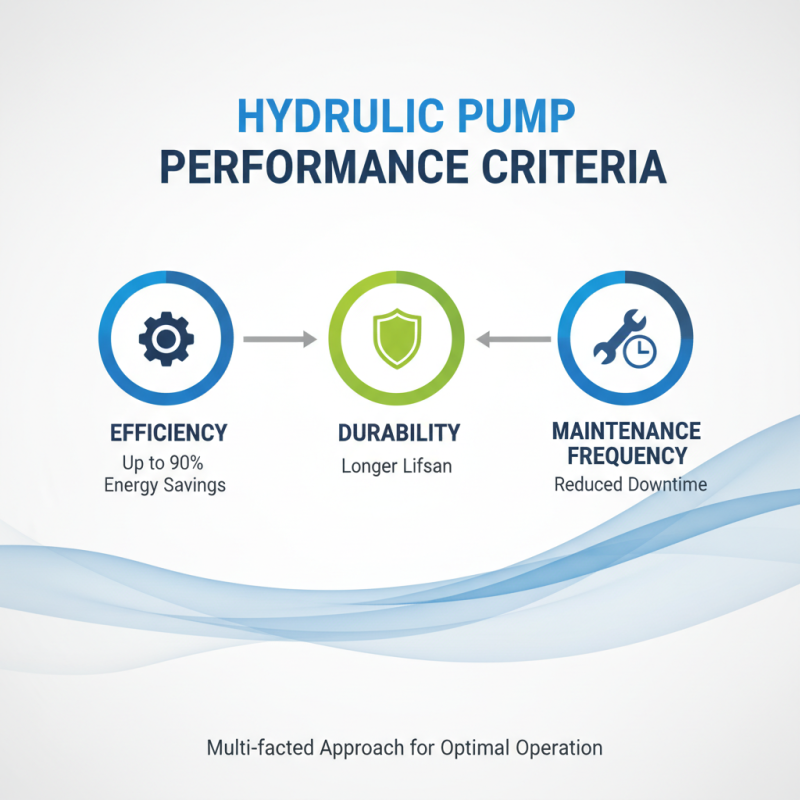
Evaluating performance in hydraulic pump units requires a multi-faceted approach. Key criteria often include efficiency, durability, and maintenance frequency. According to a recent industry report, the overall efficiency of top-performing hydraulic pumps can reach up to 90%. This efficiency translates into significant energy savings and better operational performance.
Durability is critical in assessing hydraulic pumps. Many units encounter harsh conditions, and durability impacts lifespan. A study indicated that the average lifespan of a hydraulic pump ranges between 5,000 to 10,000 hours of operation. Knowing this, users should evaluate materials and construction quality to ensure they meet the demands of specific applications.
Maintenance is another significant aspect. Some reports suggest that units requiring less maintenance can reduce downtime by 15%. This statistic emphasizes the need for reliable technology. However, users often overlook how maintenance schedules can vary widely across different units and manufacturers. Identifying pumps that balance performance with low maintenance needs is crucial for long-term success. Users must prioritize factors like these to enhance overall pump performance in various applications.
Top 10 Hydraulic Pump Units in China: Features and Specifications
When selecting hydraulic pump units in China, specific features and specifications are paramount. These units typically vary in capacity, pressure range, and efficiency ratings, significantly impacting performance. The best choices often boast advanced technology, enhancing reliability and reducing wear and tear.
A critical aspect to consider is the pump's output flow rate. Units that deliver consistent and stable flow rates generally perform better under pressure. Additionally, the size and weight of these pumps affect installation and portability. Ideally, a lightweight unit will facilitate easier handling without compromising on durability. Users appreciate compact designs that can fit into tight spaces while still delivering powerful performance.
Another vital consideration is the operating temperature range. Units built to withstand extreme temperatures tend to have longer lifespans and maintain efficiency over time. Maintenance requirements should not be overlooked, either. Simplicity in design often equates to easier routine checks. Reflecting on these aspects can lead to better decision-making when choosing a hydraulic pump unit, ensuring optimal performance in various applications.
Comparative Analysis of Performance Metrics of Leading Hydraulic Pumps
In the hydraulic pump industry, performance metrics are crucial for evaluating the efficiency of various units. Recent industry reports reveal that the average efficiency of top hydraulic pumps ranges from 85% to 92%. This metric directly impacts operational energy consumption and overall lifecycle costs. High-efficiency pumps reduce energy wastage, making them ideal for long-term industrial applications.
Developing a comparative analysis of hydraulic pumps, it is essential to consider factors like flow rate, pressure rating, and response time. Reports suggest that most high-performing units achieve flow rates between 50 to 100 liters per minute at pressure levels above 150 bar. However, it's noteworthy that some lower-tier models show variability in these metrics, indicating a need for further assessment.
Reliability is another key consideration. A study indicated that over 15% of hydraulic system failures can be traced back to pump inefficiencies. This statistic highlights the importance of selecting the right unit based on specific application requirements. Moreover, while many pumps demonstrate strong performance metrics, a closer look often reveals inconsistencies in real-world conditions, necessitating deeper reflection on the selection process.
Top 10 Hydraulic Pump Units in China for Optimal Performance
| Model |
Flow Rate (L/min) |
Pressure (bar) |
Efficiency (%) |
Weight (kg) |
Price (USD) |
| Model A |
120 |
210 |
92 |
45 |
1500 |
| Model B |
100 |
190 |
90 |
55 |
1200 |
| Model C |
150 |
220 |
85 |
60 |
1800 |
| Model D |
130 |
200 |
88 |
52 |
1400 |
| Model E |
140 |
210 |
93 |
50 |
1600 |
| Model F |
110 |
180 |
91 |
65 |
1300 |
| Model G |
125 |
195 |
89 |
58 |
1550 |
| Model H |
115 |
185 |
87 |
70 |
1250 |
| Model I |
135 |
205 |
90 |
68 |
1450 |
| Model J |
105 |
175 |
86 |
72 |
1100 |
Future Trends in Hydraulic Pump Technology and Market Insights
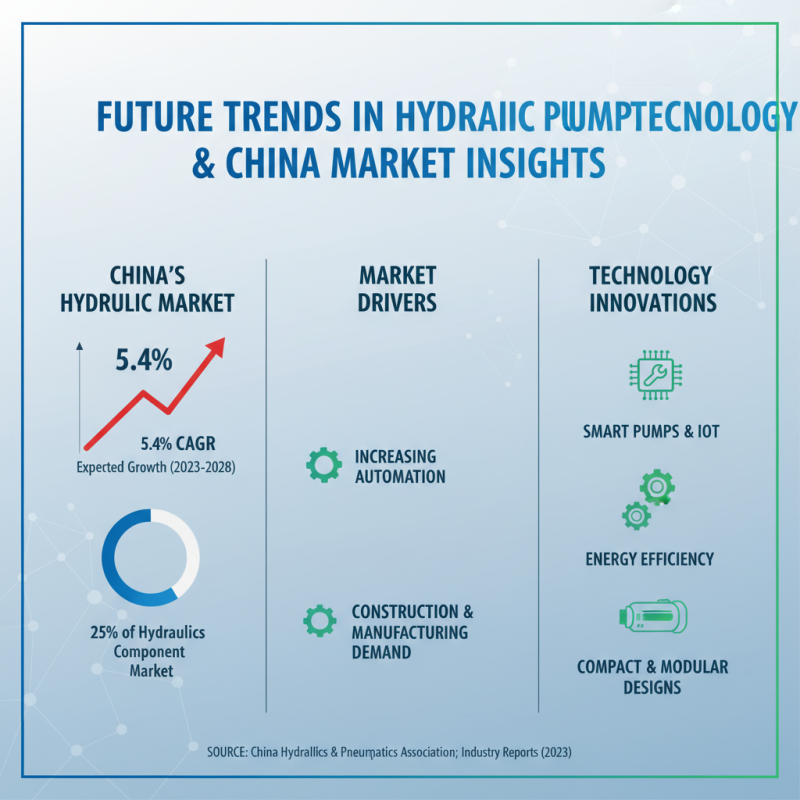
The hydraulic pump market in China is evolving rapidly. According to recent industry reports, the market is expected to grow at a CAGR of 5.4% through 2028. This growth is driven by the increasing demand for automation in industries such as construction and manufacturing. Data from the China Hydraulics and Pneumatics Association reveals that hydraulic pumps account for about 25% of the hydraulic components market.
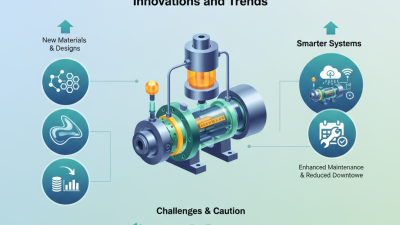
Innovations in technology are reshaping performance standards. For instance, energy-efficient designs and advanced materials are becoming more common. A study highlights that smart hydraulic systems can reduce energy consumption by 20%. However, some existing technologies still struggle with reliability under extreme conditions, leading to frequent maintenance issues. This highlights the need for continuous improvement in design and manufacturing processes.
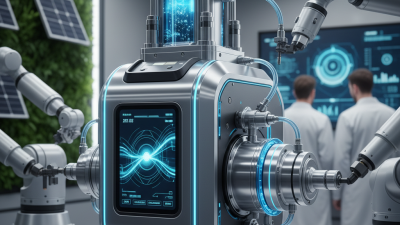
Trends indicate a shift towards IoT integration and remote monitoring capabilities. Reports show that 60% of new systems will incorporate these technologies by 2025. Yet, there is a gap in skilled labor to operate these advanced systems, which could hinder adoption. The balance between innovation and practicality remains a challenge for industry players.