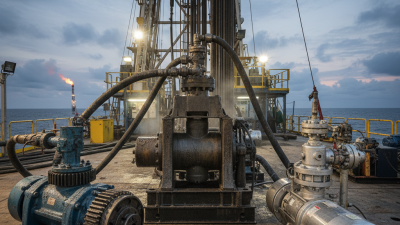
Top Oilfield Mud Pump Suppliers in China for Global Buyers?
In the competitive landscape of drilling operations, the importance of an efficient Oilfield Mud Pump cannot be overstated. Experts in the field emphasize this fact. John Smith, a noted oilfield engineer, states, "A reliable mud pump is essential for successful drilling." His insights underscore the pump's role in maintaining wellbore stability and optimizing fluid circulation.
Many global buyers seek the best suppliers of Oilfield Mud Pumps in China. The country's manufacturers have rapidly adapted to the increasing demands of the oil and gas industry. They are recognized for innovative designs and advanced technology. Yet, navigating this market can be challenging. Not all manufacturers meet international standards of quality and reliability.
Buyers often face difficulties when evaluating suppliers. Some may offer attractive prices but lack the expertise and support needed for complex operations. It is crucial to conduct thorough research. Investigating a supplier’s reputation and product performance can prevent costly mistakes. The Oilfield Mud Pump industry remains dynamic, with evolving needs. Balancing cost and quality is vital for sustainable success.
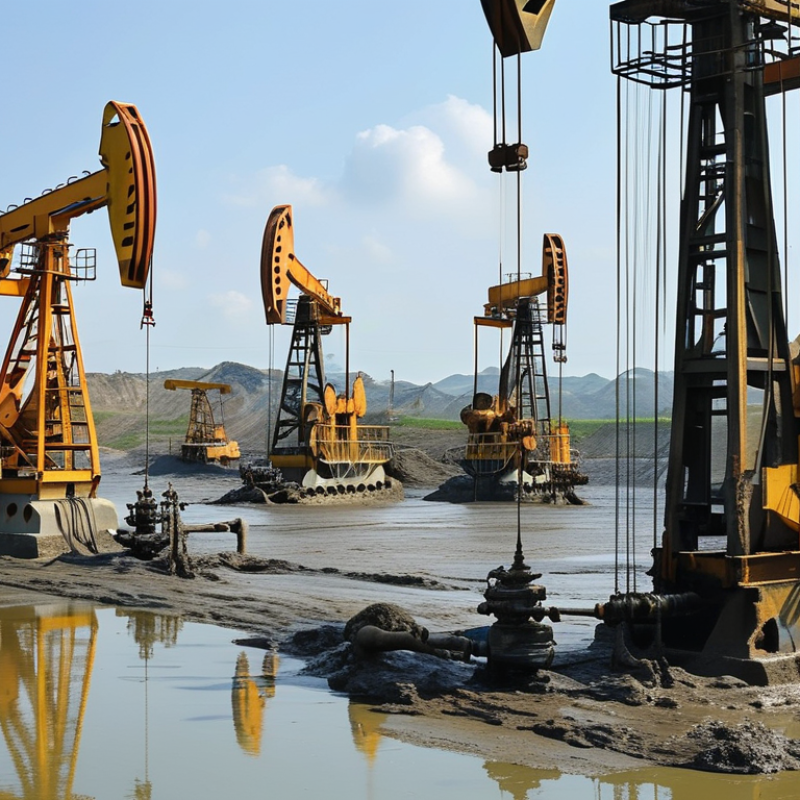
Top Oilfield Mud Pump Suppliers in China: An Overview
China's oilfield mud pump industry is substantial, catering to a global market. Recent reports indicate that the country's market share is around 25% of the global mud pump supply. The demand for these pumps continues to rise, driven by ongoing advancements in drilling technologies.
The latest data reveals that oilfield mud pumps are essential in minimizing operational downtime. These pumps ensure efficient drilling fluid circulation in oil extraction processes. Specific models offer high pressure and flow rates, which helps manage complexities in deep drilling operations. However, some pumps face challenges like wear and tear, impacting reliability and efficiency.
Sustainability remains a crucial concern. Many suppliers are exploring eco-friendly materials and designs to reduce their environmental footprint. Reports suggest that innovation in this sector is crucial for meeting global sustainability targets while maintaining performance. Reliable suppliers are those that align with these values. Market fluctuations and varying regulatory standards pose challenges for both new and established players.
Key Features and Specifications of Mud Pumps for Buyers
Mud pumps play a crucial role in the oil and gas industry. They circulate drilling fluids, helping to maintain pressure and remove cuttings. When purchasing mud pumps, buyers should look at key features that define their performance and reliability. A powerful motor is essential for efficient operation. Durability is vital, especially in challenging environmental conditions.
Specifications often include flow rate and pressure capacity. Flow rates typically range from 100 to 800 gallons per minute, depending on the application's needs. Pressure capacities can vary greatly, commonly reaching over 5,000 psi. Understanding these metrics helps buyers select the right equipment. However, one area that can be overlooked is maintenance. Regular checks and servicing are necessary for long-term functionality.
Buyers should also consider compatibility with their existing systems. Some mud pumps may require specific fittings or adapters. Pricing is another important factor. While it can be tempting to go for the cheapest option, investing in quality can pay off in reliability. Each project has unique demands that must be met. Always reflect on the long-term implications of your choices.
Market Trends in Oilfield Mud Pump Supply and Demand
The oilfield mud pump market is experiencing dynamic shifts. The demand for these pumps is driven by increasing exploration activities. Companies are seeking innovative solutions to enhance drilling efficiency. This push for progress affects supply chains globally. Emerging technologies are reshaping the production processes.
In China, numerous suppliers are stepping up to meet this demand. However, challenges remain in terms of quality control and delivery times. Buyers are often uncertain about the reliability of new manufacturers. Each supplier must prove their expertise and trustworthiness. The balance between quantity and quality remains a crucial concern.
Market trends indicate a need for adaptability. Suppliers must stay updated with advancements in materials and technology. Investing in research is essential for long-term success. Furthermore, understanding global regulations can pose a challenge for many suppliers. This complexity can create barriers for both new and existing players.
The road ahead requires a focus on collaboration and innovation to meet evolving buyer expectations.
Comparative Analysis of Leading Chinese Mud Pump Manufacturers
The demand for mud pumps in the oilfield sector reflects global drilling activity. Recent industry reports indicate that the Chinese market is a key player. In 2023, China's mud pump production accounted for nearly 35% of the global supply. Recognizing reliable manufacturers is essential for international buyers.
Leading Chinese manufacturers are distinguished by their technological advancements and production capacity. Many factories focus on high-performance pumps that enhance operational efficiency. Their pumps often meet rigorous international standards, ensuring reliability. However, the market faces challenges, including quality consistency and the need for better after-sales service. This inconsistency can overshadow some manufacturers’ strengths.
In terms of innovations, many companies are investing in more eco-friendly technologies. This aligns with global trends towards sustainability in the oil and gas industry. Nonetheless, while progress is evident, there remains room for improvement in customer service protocols and transparency in manufacturing processes. These factors should inform buyers when selecting the right supplier.
Challenges and Opportunities for Global Buyers in Sourcing Mud Pumps
Sourcing mud pumps from China presents both challenges and opportunities for buyers worldwide. Many buyers face quality inconsistency. Some manufacturers may not adhere to international standards, leading to unreliable products. Research is crucial. Global buyers must vet suppliers meticulously. A lack of established relationships can complicate the process.
Communication barriers also exist. Language differences can lead to misunderstandings in specifications. This emphasizes the need for clear guidelines and documentation. Local insights are invaluable. Engaging with local experts can help navigate these challenges. On the flip side, the opportunity to lower costs is significant. China offers competitive pricing due to advanced manufacturing processes. Buyers can benefit from this, provided they take necessary precautions.
Sustainability is becoming a focus. Buyers should consider suppliers that implement eco-friendly practices. This choice may reflect positively on their brand. However, finding suppliers who balance cost with environmental responsibility can be difficult. Adapting to these dynamics requires ongoing evaluation. Continuous improvement and open dialogue with suppliers is key to successful sourcing.