Top 10 Safety Relief Valves in China for Global Buyers?
Safety relief valves play a crucial role in protecting industrial systems from overpressure scenarios. In China, the market for these valves has been growing steadily. According to recent industry reports, the demand for safety relief valves is projected to increase by 5.3% annually over the next five years.
China holds a significant share of the global safety relief valve market. This growth is attributed to expanding sectors such as oil and gas, chemicals, and energy. Companies are increasingly investing in advanced valve technologies to enhance safety and performance. However, not all manufacturers meet international standards. Rigorous standards like API, ASME, and ISO are essential for ensuring reliability and safety.
Choosing the right safety relief valve can be challenging for global buyers. They need to navigate various quality levels and certifications available in the market. Professionals should consider factors like material quality, design specifications, and testing procedures. The pursuit of excellence in safety relief valve selection is crucial to avoid potential hazards and operational failures.
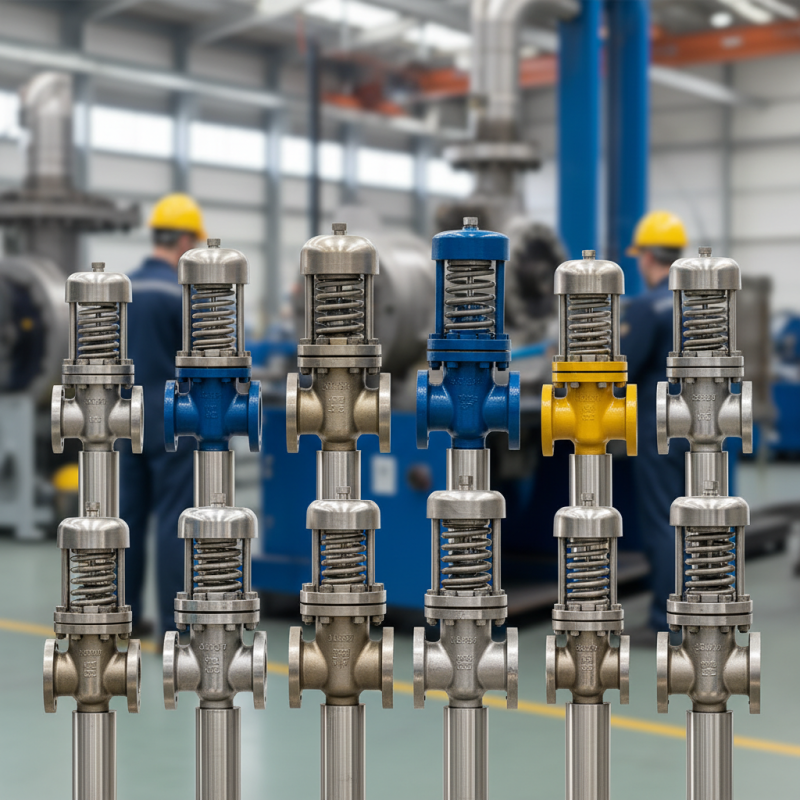
Overview of Safety Relief Valves and Their Importance
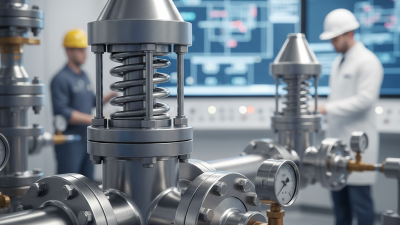
Safety relief valves play a crucial role in industrial operations. They protect equipment from excessive pressure, preventing potential failures.
According to a recent report by ResearchAndMarkets, the global market for safety relief valves is expected to grow significantly, emphasizing the growing awareness of safety standards.
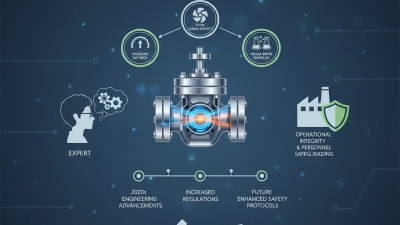
The importance of reliable safety relief valves cannot be overstated. Industrial accidents can lead to severe injuries and substantial financial loss.
A study by the American Society of Mechanical Engineers indicates that inadequate pressure relief systems were a contributing factor in over 30% of industrial incidents. This highlights the critical nature of selecting appropriate valves for various applications.
In recent years, the need for more innovative solutions has increased. Manufacturers now focus on the efficiency and reliability of safety relief valves.
Innovations include improved materials and designs that optimize performance.
However, challenges remain, particularly in ensuring compliance with safety standards. Some industries still fall short in regular maintenance and testing.
This gap underscores the need for vigilance and continuous improvement in safety protocols.
Key Features to Consider When Selecting Safety Relief Valves
When selecting safety relief valves, a few key features stand out. One crucial aspect is the valve's set pressure. This indicates at which pressure the valve will open. It’s essential to match this with your system’s requirements to prevent overpressurization.
Material selection is another vital consideration. Different environments, such as corrosive or high-temperature conditions, demand specific materials. Stainless steel is often favored for its durability. Additionally, ensure that the valve’s design allows for easy maintenance. Regular checks can prevent system failures.
Tips: Look for valves with a clear indication of their certification. Compliance with local and international standards can enhance reliability. Also, consider the size and connection type of the valve. These factors can greatly influence its installation and efficiency. Remember, the right valve not only protects equipment but also ensures safety in operations.
Top 10 Safety Relief Valves in China - Key Features to Consider
Distinct Applications of Safety Relief Valves in Various Industries
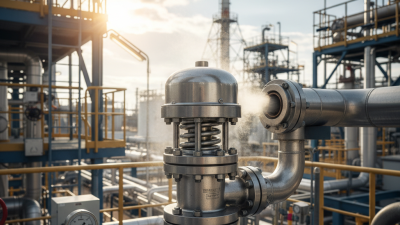
Safety relief valves play a crucial role in various industries. They prevent overpressure situations, ensuring system integrity. This technology is vital in the oil and gas sector, where sudden pressure changes can be dangerous. Safety relief valves help maintain safe operating limits in pipelines and storage tanks. They act quickly, relieving excess pressure that could lead to costly accidents.
In the chemical manufacturing industry, these valves are essential for controlling hazards. A malfunctioning valve can result in leaks or explosions. Regular maintenance and testing ensure their reliability. In the HVAC field, safety relief valves safeguard heating systems. They protect against steam build-up, which could cause system failures. Each application demonstrates unique challenges that require tailored solutions.
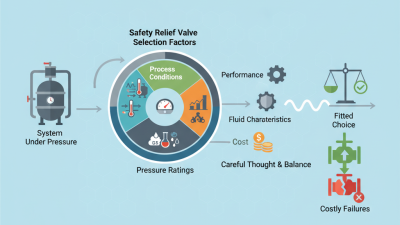
Choosing the right safety relief valve can be daunting. Factors like material compatibility and pressure ratings are key considerations. Understanding specific industry needs is essential for effective safety solutions. Many users often overlook these details, which can have serious repercussions. Enhancing knowledge about applications fosters safer operations. Finding the perfect fit is not just ideal; it is necessary for compliance and safety.
Global Buying Guide for Sourcing Safety Relief Valves from China
When sourcing safety relief valves from China, several factors deserve careful consideration.
Quality control is paramount.
Ensure potential suppliers follow international standards. Review their certifications and production processes.
Invest time in understanding their capabilities. This knowledge can prevent costly mistakes later.
Tips: Always request product samples. This allows for firsthand evaluation of quality.
Check the material specifications and test performance under various conditions.
Engage in dialogue. A responsive supplier indicates reliability.
Pricing can vary significantly. Compare quotes but go beyond just numbers.
Understand what you are getting for your money.
Sometimes, the cheaper option may lack essential features. This can lead to future issues and additional costs.
Tips: Document every communication with suppliers. It helps establish expectations and responsibilities.
If discrepancies arise later, you have a record to refer to. Build relationships with multiple suppliers to create a backup plan.
This adds security to your sourcing process.