Top Well Drilling Machine Types for Efficient Water Resource Management?
Efficient water resource management is crucial in today's world. The need for reliable and effective solutions drives innovation in various fields, including well drilling machines. Well drilling machines play a vital role in accessing water resources. Their function is not just about drilling; it is about ensuring sustainability.
Understanding the different types of well drilling machines can aid decision-making. From rotary to cable tool drills, each type serves specific purposes. Adopting the right technology can lead to better management of water resources. However, challenges remain. The choice often depends on budget, soil conditions, and project requirements, which may complicate the process.
Innovation in this field is essential. The introduction of advanced features can improve efficiency. However, there is always room for improvement and learning from past experiences. As the industry evolves, a continuous reflection on practices will help stakeholders make smarter choices. This creates a balance between resource extraction and conservation.
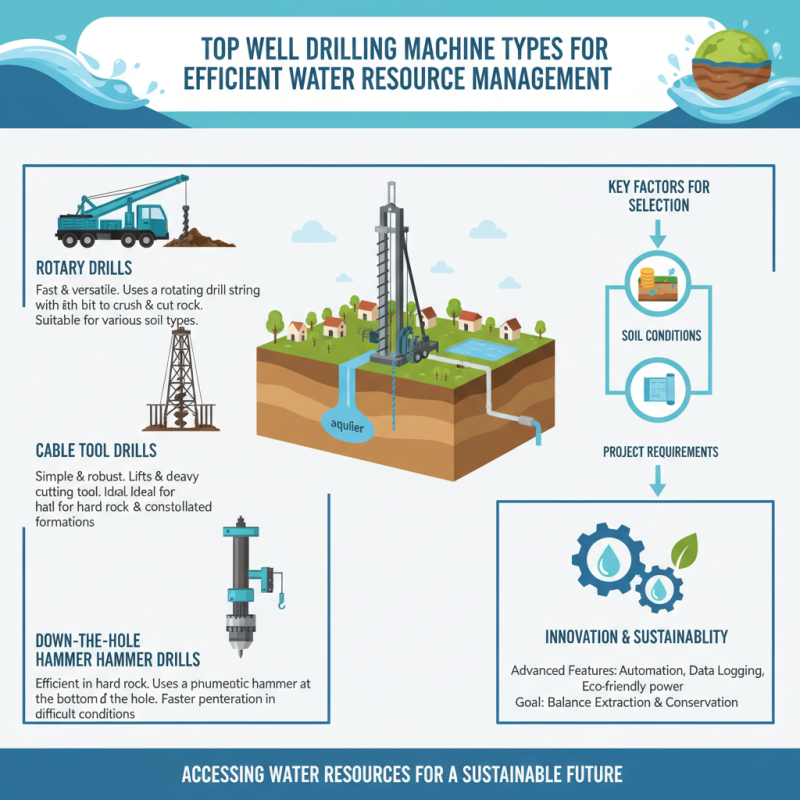
Types of Well Drilling Machines: An Overview
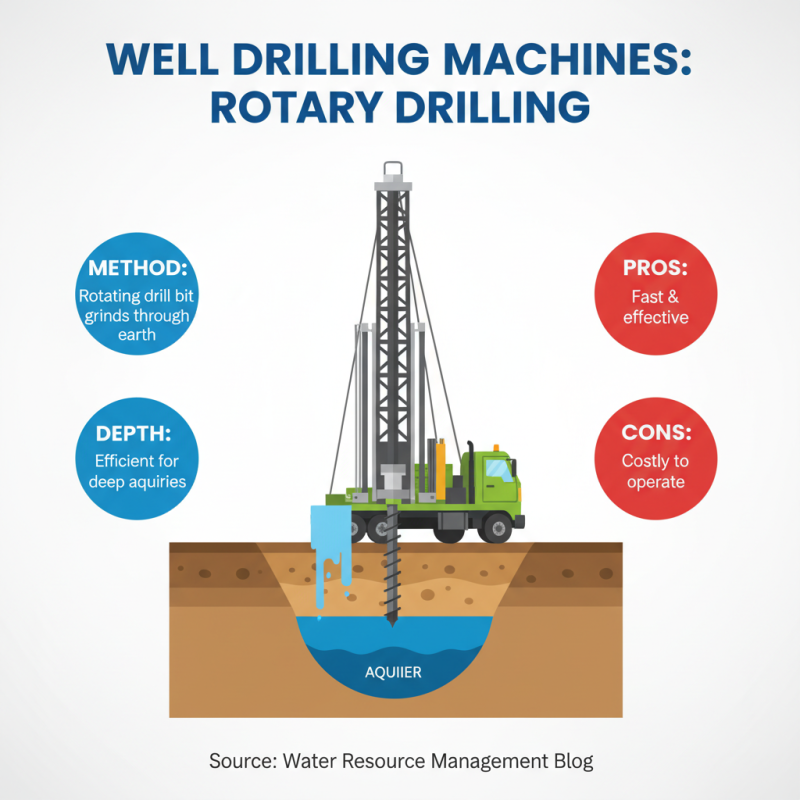
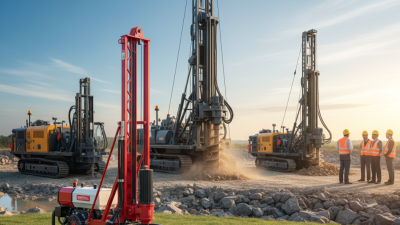
When it comes to well drilling machines, several types play crucial roles in water resource management. The rotary drilling machine is one of the most popular choices. It uses a rotating drill bit to penetrate the ground. This method is efficient for reaching deeper aquifers. However, it can be costly to operate.
Another type is the percussion drilling machine. This machine uses a hammering action to break rocks. It is effective in hard soil and rock formations. Still, this method may disturb nearby structures. The impact can also lead to vibrations, which necessitate careful site assessment.
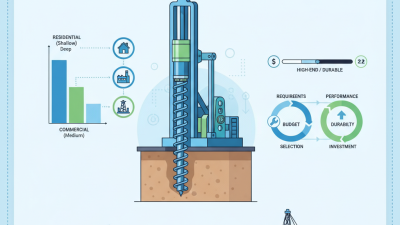
Lastly, there are auger drilling machines. These are great for shallow wells. They remove soil using a screw-like mechanism. While they are less expensive, they have limitations on depth. Each type has its strengths and weaknesses. Choosing the right one requires careful thought and planning.
Factors Influencing the Choice of Well Drilling Machines
Choosing the right well drilling machine is crucial for effective water resource management. Several factors influence this decision. One of the primary considerations is the geological conditions of the site. Rocky terrain may require different machinery than softer soil. Understanding the local geology helps select the most efficient equipment.
The scale of the drilling project also matters. Smaller projects might benefit from portable machines, while larger operations necessitate more robust equipment. Additionally, the depth of the well can influence machine choice. Deeper wells generally need specialized rigs to reach necessary water sources.
Cost efficiency is another critical factor. Upfront costs are important, but long-term maintenance expenses must be considered. Not all machines are equally durable. Some may require frequent repairs, leading to increased expenses. Finding a balance between initial investment and ongoing costs is essential. It's not an easy decision. Each factor must be weighed carefully for optimal outcomes.
Top Well Drilling Machine Types for Efficient Water Resource Management
This chart illustrates the distribution of various types of well drilling machines commonly used in water resource management. The data reflects their efficiency and usage frequency based on industry reports.
Advantages of Different Well Drilling Techniques
When exploring well drilling techniques, it’s essential to consider their advantages for managing
water resources efficiently.
Rotational drilling is among the most popular methods. It allows for quick penetration and showcases great
versatility. This technique is suitable for various soil types and depths. However, it can be costly and
requires skilled operators.
Another effective method is percussion drilling.
This technique is slower but can handle harder materials. It is particularly useful for rocky terrains.
While it may take longer, many find it to be more cost-effective.
A potential downside is its higher energy consumption compared to other methods.
Tip: Consider the terrain before choosing a method. Each technique has its strengths and weaknesses.
Assessing the environment can save time and money.
Cable tool drilling is also noteworthy. It’s traditional but reliable. This method excels in shallow wells
and is less expensive. Yet, it struggles in deep drilling situations. Finding the right balance in drilling
techniques may require multiple approaches.
Tip: Always analyze the aquifer's depth and type of soil. This knowledge can direct you
to the most suitable drilling method. Balancing efficiency
and cost is crucial. Adapting techniques to specific circumstances can enhance water resource management.
Maintenance Practices for Well Drilling Machines
Well drilling machines play a crucial role in accessing water resources. Proper maintenance is essential for efficiency and longevity. Regularly check the hydraulic system. Look for leaks and replace damaged hoses promptly. Routine lubrication of moving parts ensures smooth operation. Dust and debris can cause wear and tear, so keep the machine clean.
Tips: Always inspect the drill bits before starting. Dull bits increase drilling time and energy consumption. Make sure to calibrate depth gauges regularly. Accurate depth measurement is vital for effective water retrieval.
Pay attention to the engine performance. If you notice unusual noises, investigate immediately. Ignoring these sounds could lead to bigger issues. Monitor fuel consumption; a sudden increase might indicate underlying problems. Regular maintenance can minimize downtime and increase productivity. An efficient well drilling machine contributes significantly to water resource management.
Innovations in Well Drilling Technology for Water Management
Innovations in well drilling technology significantly enhance water resource management. Traditional drilling methods often face efficiency challenges, leading to high costs and prolonged project timelines. Newer technologies, such as rotary drilling and sonic drilling, have emerged. According to the International Water Management Institute, efficient drilling could improve water access for 1.5 billion people globally.
These advancements reduce the time needed to reach water aquifers. For instance, rotary drilling can penetrate tough soil layers quickly. Sonic drilling uses high-frequency vibrations to enhance penetration rates. These innovations not only save time but also minimize environmental impact.
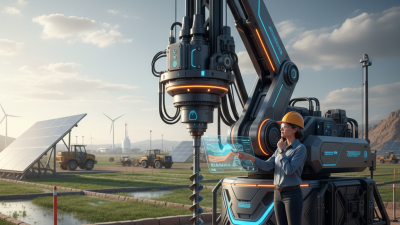
Tip: Consider exploring solar-powered drilling rigs. They can operate in remote areas, reducing dependency on fossil fuels.
Despite the benefits, some challenges remain. Not all regions can implement advanced technologies due to costs. Training for operators is also necessary to handle sophisticated equipment. Strategies must balance innovation with local needs and skills.
Tip: Collaborate with local experts to evaluate the best drilling methods for your area. Tailoring technology to specific conditions can lead to better water management outcomes.