How to Choose the Best Oil Drilling Equipment for Your Needs?
Choosing the right oil drilling equipment is crucial for any drilling operation. The effectiveness of your project depends on this choice. Poor selection can lead to costly delays and safety issues. Therefore, understanding your needs and the available options is essential.
Oil drilling equipment comes in various types and sizes. Each piece serves a unique purpose. For instance, rotary drilling rigs differ from cable tool rigs in operation and efficiency. Knowing these differences can help streamline your operations.
Investing in quality equipment can ensure reliability. It can also improve overall safety standards on-site. However, finding the best oil drilling equipment requires research and careful consideration. It’s important to reflect on what features matter most. Balancing cost and quality is challenging yet necessary for success.
Understanding Different Types of Oil Drilling Equipment Available
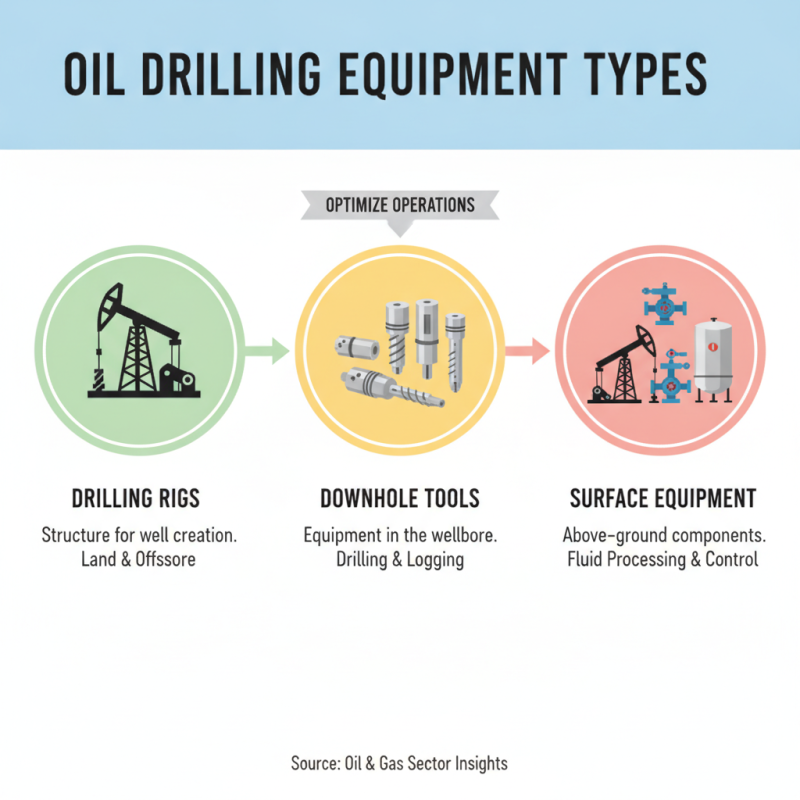
When selecting oil drilling equipment, understanding the available types is crucial. The oil and gas sector relies on various equipment categories to optimize operations. Individuals must grasp the differences between drilling rigs, downhole tools, and surface equipment.
According to the U.S. Energy Information Administration, the global drilling rig count reached approximately 2,632 in 2022, indicating a robust market demand. Different rigs, such as rotary drilling rigs and directional drilling rigs, serve unique functions. Rotary rigs can handle deep drilling, while directional rigs are critical for horizontal drilling. This choice influences well placement and overall drilling efficiency.
Downhole tools, including drill bits and stabilizers, also play a significant role. Efficient drill bits can enhance penetration rates, while stabilizers help maintain trajectory. The right combination can drastically impact drilling costs and timeframes. But the wrong choice can lead to delays and unnecessary expenses. Understanding these intricacies is essential for making informed decisions in a complex industry.
Key Factors to Consider When Selecting Oil Drilling Equipment
Selecting the right oil drilling equipment is crucial for project success. Several key factors play a significant role in this process. The geological conditions of the drilling site can greatly influence equipment choice. For instance, soft formations may require lighter rigs, while hard rock formations need more robust technology. According to a report by the International Association of Drilling Contractors, matching equipment with geological data can improve drilling efficiency by up to 30%.
Another important factor is the depth of the well. Deeper wells demand more advanced technology, like automated drilling systems. These systems can reduce human error and improve safety. The cost of equipment and maintenance should also be analyzed carefully. A study on operational expenditures indicates that companies often overspend by 15% due to inadequate planning.
Tips: Assess the environment carefully before making a purchase. Ensure the equipment aligns with both geological data and well depth. Also, consider long-term costs versus initial investments. In the long run, choosing the right equipment can mitigate unnecessary expenses and increase project profitability. Regular assessments of technology can reveal opportunities for improvement and enhance overall efficiency in operations.
Assessing the Reliability and Durability of Drilling Equipment
When selecting oil drilling equipment, reliability and durability are crucial. Equipment breakdowns can lead to costly delays and safety concerns. Assessing the durability of drilling tools involves understanding their materials and construction. High-quality steel and advanced engineering typically indicate better longevity. Checking reviews and user experiences can provide insights into reliability.
Consider these tips when evaluating drilling equipment. First, investigate the manufacturer’s reputation. Look for companies with a history of producing robust equipment. Second, review maintenance requirements. Products that require less frequent service often indicate durable design. Finally, see if the equipment can handle diverse conditions. Versatile tools tend to endure harsher environments.
Be cautious, though; overconfidence in equipment can lead to setbacks. Even reliable machines can fail unexpectedly. Regular assessments and maintenance checks are essential. Understanding the limits of your equipment will help identify when parts need attention. Skipping this could result in significant downtime. Ensure you're prepared for any potential issues. This proactive approach aids in maintaining both reliability and durability in your drilling operations.
Evaluating Equipment Costs and Budget Considerations
When considering oil drilling equipment, financial aspects matter immensely. Start by assessing your budget. Understand the total costs involved, beyond just the purchase price. Think about maintenance, operational costs, and potential downtime. These elements can significantly influence your long-term expenses.
Research is vital. Look for equipment that aligns with both your budget and your operational needs. Balancing cost with quality can be tricky. High prices do not always guarantee the best performance. Sometimes, affordable options may meet your requirements effectively. Don't overlook used or refurbished equipment. It can be a cost-effective solution if inspected thoroughly.
Keep in mind that equipment expenses can vary widely. Some gear might seem inexpensive but require more upkeep. This factor can eat into your budget over time. Evaluate options based on longevity and reliability. Speak with industry professionals to gain insights. This guidance can lead to more informed decisions. Being aware of potential hidden costs is crucial for overall project success.
How to Choose the Best Oil Drilling Equipment for Your Needs?
| Equipment Type |
Estimated Cost (USD) |
Maintenance Cost (Annual) |
Fuel Efficiency (gallons/hour) |
Recommended Use |
| Rotary Drills |
$450,000 |
$30,000 |
15 |
Deep well drilling |
| Cable Tool Drills |
$200,000 |
$20,000 |
10 |
Shallow well drilling |
| Directional Drills |
$600,000 |
$40,000 |
12 |
Complex geological formations |
| Top Drive Systems |
$750,000 |
$50,000 |
8 |
High-efficiency drilling |
| Mud Pumps |
$100,000 |
$10,000 |
5 |
Circulation of drilling fluid |
Reviewing Manufacturer Reputation and Customer Feedback
When considering oil drilling equipment, manufacturer reputation plays a critical role. A reputable manufacturer often reflects quality and reliability. Look for companies with a long-standing presence in the industry, as they are more likely to produce durable equipment. However, recent entrants might also provide innovative solutions. Always weigh experience against new technologies.
Customer feedback can offer invaluable insights. Reading reviews helps understand real-world performance. Pay attention to consistent themes in feedback. Are customers satisfied with the durability? Do they mention efficiency? Customer ratings often reveal strengths and weaknesses that can influence your decision. Yet, be wary of fake reviews. Genuine feedback tends to highlight both positive and negative aspects, providing a balanced view.
Not all experiences are perfect. Some customers may face issues with equipment after purchase. This could affect operations and lead to unplanned expenses. It’s essential to consider warranties and support services. Adaptability to feedback can indicate a manufacturer’s commitment to improvement. When choosing equipment, blend expert opinions with user experiences for a well-rounded perspective.