How to Choose the Right Crown Blocks for Your Needs?
Choosing the right crown blocks for your project can be a daunting task. Crown blocks are essential components in drilling operations. They play a critical role in the overall efficiency and safety of the system. Selecting the appropriate crown block ensures effective weight distribution and load management.
When considering crown blocks, it's important to evaluate their specifications. Look into the material quality, load capacity, and design features. Each project has unique requirements. A mismatch can lead to operational inefficiencies and safety risks. Pay attention to the manufacturer’s reputation as well. High-quality suppliers often provide valuable insights and support.
Reflecting on past experiences can guide your decision-making. Some users have faced challenges by choosing the wrong crown blocks. These instances highlight the need for thorough research. What works for one project may not suit another. Being informed is crucial in making the best choice.

Factors to Consider When Selecting Crown Blocks
When selecting crown blocks, consider your operational needs. The type of project you'll undertake influences this decision. For heavy-duty applications, robust materials are essential. Lightweight options work well for portable or temporary setups. Every project is unique, and flexibility is vital.
Material quality matters significantly. High-quality steel or aluminum ensures longevity and reliability. Scrutinize the weight capacity and size. Both can affect performance. Inefficient blocks may lead to complications or accidents. Always weigh the risks versus the benefits.
Alignment features can contribute to efficiency. Misalignment leads to increased wear and operational challenges. Choose blocks designed with precise alignment features to minimize these risks. Reflections on previous projects can guide future selections. Continuous learning and assessment improve decision-making in this area.
Types of Crown Blocks and Their Applications
Crown blocks are essential components in the rigging systems of drilling operations. They play a crucial role in lifting loads and ensuring operational efficiency. Understanding the types of crown blocks available can help optimize your equipment selection. There are primarily two categories: fixed crown blocks and traveling crown blocks. Each serves specific applications within the industry.
Fixed crown blocks are typically used in stationary setups. They are robust and able to withstand immense loads. According to industry data, around 65% of drilling rigs utilize fixed crown blocks for their superior stability. On the other hand, traveling crown blocks are more mobile. They are ideal for dynamic operations where lifting height changes frequently. Reports indicate that these blocks are favored for their flexibility, especially in offshore drilling operations.
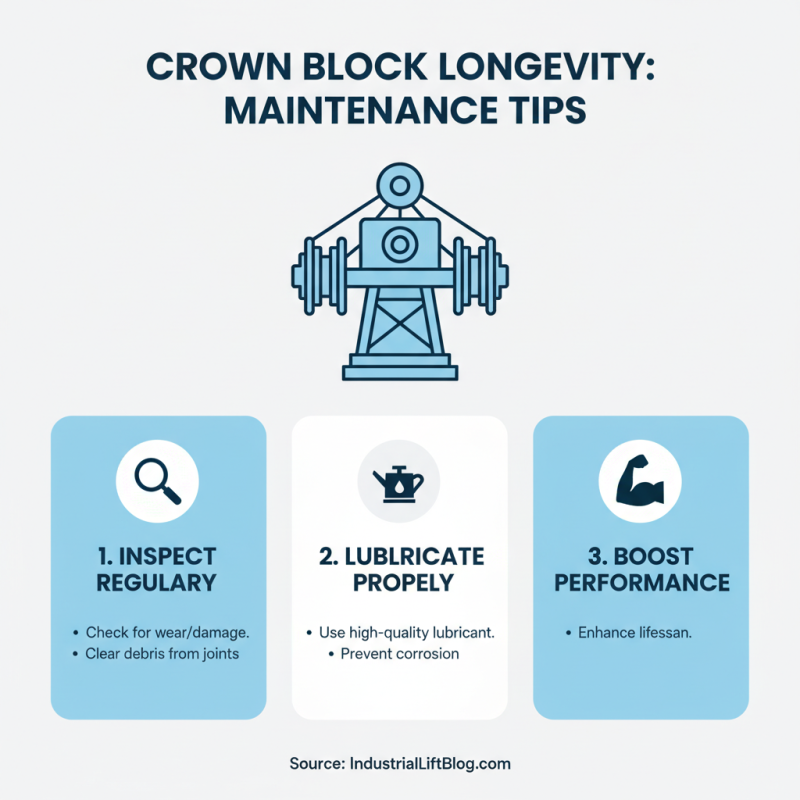
Tips: Assess your operational environment before choosing. Fixed blocks suit heavy, stationary tasks, while traveling blocks work better for fluid setups. Always consider weight limits and ensure you match the crown block specifications to your rig type. Regular inspection is vital. Even slight wear can lead to failures in high-stress conditions.
Understanding Load Capacity and Compatibility
Choosing the right crown block is crucial for ensuring safety and efficiency in operations. Understanding load capacity is a fundamental aspect of this process. Crown blocks must handle specific weights safely. A study by the International Association of Drilling Contractors shows that insufficient load capacity can lead to equipment failure, risking both personnel and machinery.
Compatibility is another key factor. Not every crown block fits every drilling rig. Each crown block is designed for specific systems. A mismatch can decrease performance and lead to unforeseen complications. Industry reports highlight that 20% of equipment failures are due to compatibility issues.
Tips: Always evaluate the maximum load your project demands. Ensure the crown block can handle it with a safety margin. Additionally, consult with experts for guidance on compatibility with your current setup. Regular assessments can pinpoint areas needing improvement. Remember, relying solely on manufacturer specs may not be enough to ensure safety and reliability in all conditions.
Material Options for Durability and Performance
When selecting crown blocks, material choice is crucial for durability and performance.
Steel and aluminum are common options, each with pros and cons.
Steel is robust and resistant to wear, making it ideal for heavy-duty applications.
However, it is heavier, which can affect overall operational efficiency.
On the other hand, aluminum is lightweight and offers good corrosion resistance.
It may not withstand extreme wear as well as steel, but for certain jobs, its ease of handling can outweigh this limitation.
Another aspect to consider is the environmental impact of the materials.
Some blocks are designed with eco-friendly materials, which may improve sustainability in operations.
Examining the source of these materials is important.
Not all alloys provide the same level of safety and performance.
Engaging with suppliers about their material specifications can reveal a lot about the product's reliability.
Finally, remember that real-world performance often differs from expectations.
Users might find specific materials perform well under certain conditions but fail under others.
Gathering feedback from field usage offers valuable insights.
Aim for a balanced choice based on your specific needs while staying aware of the limitations and potential trade-offs of each material type.