Essential Tips for Choosing Well Drilling Equipment for Your Needs?
Choosing the right well drilling equipment is crucial for any drilling project. Experts emphasize the significance of selecting equipment that meets specific requirements and circumstances. John Smith, a well drilling industry veteran, reflects, “The right equipment can make or break a drilling operation.”
When diving into the practicalities of well drilling equipment, it’s essential to consider various factors. The size of the project, soil type, and depth all play vital roles. Selecting the wrong equipment can lead to inefficiencies, delays, and increased costs. For instance, a subpar drill may struggle with rocky terrain, resulting in wasted time and resources.
Moreover, understanding the technology behind well drilling equipment is critical. Advancements can offer improved efficiency and safety. However, new technologies can also be daunting. Many operators find themselves overwhelmed by choices and specifications. It’s vital to approach this decision with careful consideration, weighing all aspects before making a purchase. Quality equipment is an investment that pays off in the long run.
Understanding the Types of Well Drilling Equipment Available
When selecting well drilling equipment, understanding the available types is crucial. There are primarily three types:
rotary, cable tool, and auger drills.
Each serves different needs based on soil types and depths.
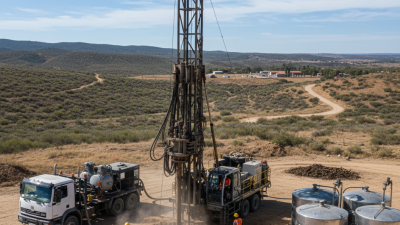
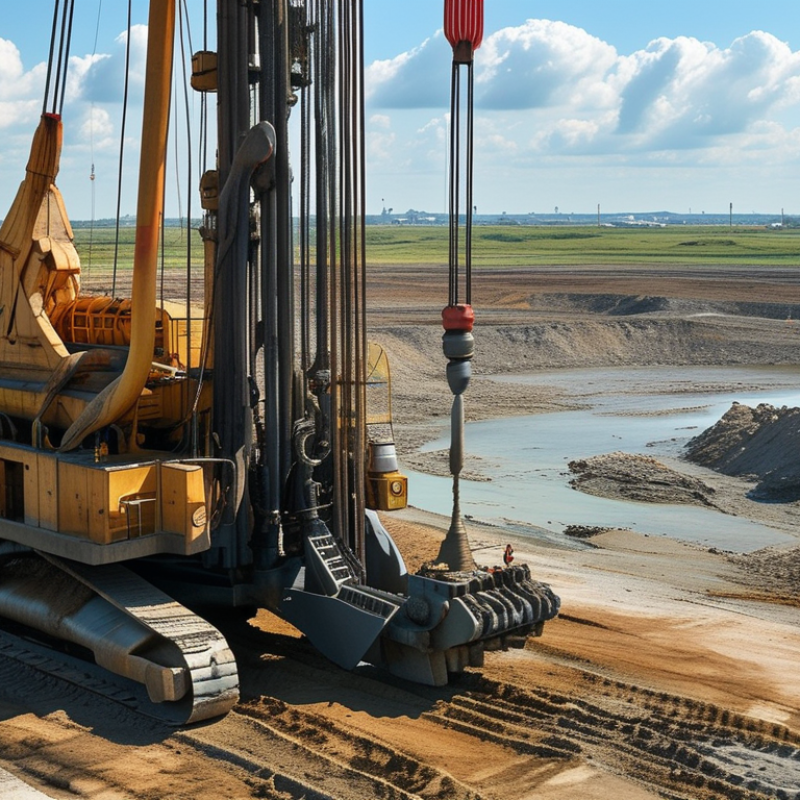
Rotary drills are designed for deeper wells, often reaching hundreds of feet. They utilize a rotating bit to penetrate hard rock efficiently.
Data from industry reports indicate that rotary drilling accounts for approximately 70% of all well drilling globally.
Cable tool drills operate using a heavy chisel bit that repeatedly drops to break rock. This method is slower and less common, especially for deep wells.
However, it can be effective for shallower projects in softer formations. Past studies show this equipment is still relevant in rural areas where access to modern technology is limited.
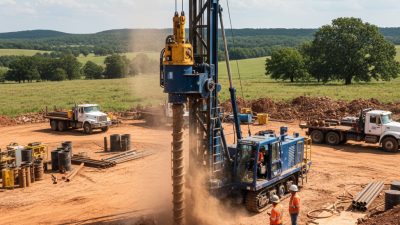
Auger drills are the go-to for shallow wells, especially in soft soil conditions. They use a helical screw to extract soil and are often seen in agricultural applications.
While auger rigs are easy to operate and transport, they have limitations in deeper applications. With evolving technology, it's essential to evaluate your specific drilling context.
Awareness of these nuances helps inform better equipment choices.
Assessing Your Specific Needs for Well Drilling Projects
When embarking on well drilling projects, understanding your specific needs is crucial. According to industry reports, approximately 85% of drilling failures stem from misalignment between equipment and project requirements. The right equipment can significantly enhance efficiency and reduce costs. A comprehensive needs assessment should consider factors like soil composition, depth requirements, and intended water source.
Consider these tips: First, evaluate geological conditions. Soil type affects drill bit selection. Harder formations may require robust drill bits crafted from durable materials. Second, analyze your depth requirements. Deeper wells usually necessitate more powerful drilling rigs. A rig that’s too weak could lead to project delays and increased expenses.
Lastly, reflect on project scale. For smaller projects, a portable rig may suffice. However, large-scale endeavors often demand advanced technology and reliability. Misjudging these factors can lead to costly mistakes. Adequate planning is essential to ensure you select the best drilling equipment tailored to your project's unique needs.
Essential Tips for Choosing Well Drilling Equipment for Your Needs
| Criteria |
Description |
Example Options |
| Well Depth |
Consider the maximum depth the well will be drilled. |
Shallow (< 100ft), Medium (100ft - 500ft), Deep (> 500ft) |
| Soil Type |
Identify the type of soil or rock that will be encountered. |
Clay, Sand, Gravel, Rock |
| Water Quality |
Understanding the water quality needed for your projects. |
Drinking, Irrigation, Industrial Use |
| Budget |
Determine the financial limits for drilling equipment. |
Low Cost, Mid Range, High End |
| Mobility |
Consider whether the equipment needs to be easily transported. |
Portable, Trailer Mounted, Fixed Location |
| User Experience |
Consider the skill level required to operate the equipment. |
Beginner, Intermediate, Expert |
| Maintenance |
Evaluate the maintenance needs and frequency of the equipment. |
Low, Moderate, High |
Evaluating Equipment Durability and Performance Factors
When selecting well drilling equipment, durability and performance are vital.
You need solutions that withstand tough conditions. Consider materials used in construction.
Stronger materials often mean longer life expectancy.
Equipment should resist corrosion and wear. Reliable seals and high-quality bearings also contribute to longevity.
Tips to Enhance Equipment Selection: Evaluate user reviews. Real-world experiences often reveal strengths and weaknesses. Speak with industry professionals for insights.
Their expertise can help you avoid costly mistakes.
Test equipment under real conditions if possible. Simulation doesn’t always reveal issues that occur on-site.
Performance is equally essential. Look for efficiency ratings.
High-efficiency equipment saves time and money.
Recognize that high performance may sometimes come with higher costs.
Balance your budget against performance needs.
Consider maintenance schedules too. Neglect can lead to reduced performance and increased downtime.
It's crucial to reflect on long-term costs, not just upfront prices.
Budgeting for Well Drilling Equipment: Cost vs. Value
When planning a well drilling project, budgeting plays a crucial role. You need to weigh cost against value. Cheaper equipment might seem attractive initially. However, it can lead to more costly repairs and inefficiencies later. Investing in reliable, high-quality tools may be a better decision over time.
Consider your specific needs. Understand the depth and type of well you plan to drill. This information influences the equipment required. Sometimes, mid-range options provide the best balance between affordability and performance. Research can reveal equipment that meets your needs without stretching your budget too thin.
Quality assurance is vital when making a choice. Seek advice from industry experts and review credible sources. This helps in making an informed decision. Don't hesitate to reflect on your choices as the project progresses. Sometimes, the most expensive option isn’t the best fit. Stay flexible and be ready to adjust your plans. This adaptability can transform a daunting task into a successful venture.
Cost vs. Value of Well Drilling Equipment
Choosing the Right Supplier for Well Drilling EquipmentPurchasing
When selecting a supplier for well drilling equipment, due diligence is paramount. A recent industry report by Research and Markets indicates that the global drilling equipment market is expected to reach $24 billion by 2025, driven by increasing demand in various sectors. Understanding this market helps assess potential suppliers. Look for those with a proven track record in delivering reliable equipment. Reliable suppliers can significantly impact project efficiency and safety.
Quality assurance practices are crucial in this selection process. Check if suppliers adhere to ISO standards. Certification assures that equipment meets industry benchmarks. A supplier without these certifications may compromise project outcomes. Engaging in conversations with past clients can provide insights into a supplier's reliability. Transparency on their equipment maintenance records is another critical factor to consider.
Keep in mind that price isn't everything; value is critical. Sometimes, lower prices indicate inferior quality, which can lead to costly mistakes. Consider support services such as training and technical assistance. Suppliers that offer these services often have a commitment to customer satisfaction. They’re likely to invest more in their equipment's quality and durability. A supplier's willingness to collaborate on challenging projects is a sign of their expertise and reliability.