What is Rope Block Sheaves and How to Choose the Best?
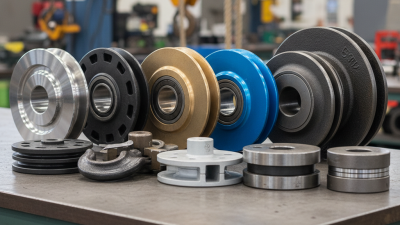
Rope Block Sheaves are essential components in various lifting and rigging applications. These sheaves enable smooth motion of ropes in systems, reducing friction and wear. When choosing Rope Block Sheaves, several factors come into play. Users must consider the material, size, and load capacity.
Understanding the specific needs of your application is crucial. Different environments demand different sheave types. For example, marine settings may require corrosion-resistant materials. Each choice can affect performance and longevity. Without careful consideration, the wrong choice can lead to equipment failure.
Moreover, seeking expertise in selecting the right Rope Block Sheaves can be invaluable. Relying on trusted suppliers and professionals helps ensure reliability. Yet, it is essential to reflect on your unique needs before making a decision. Each application has nuances that deserve attention. Balancing quality and cost is often challenging but necessary.
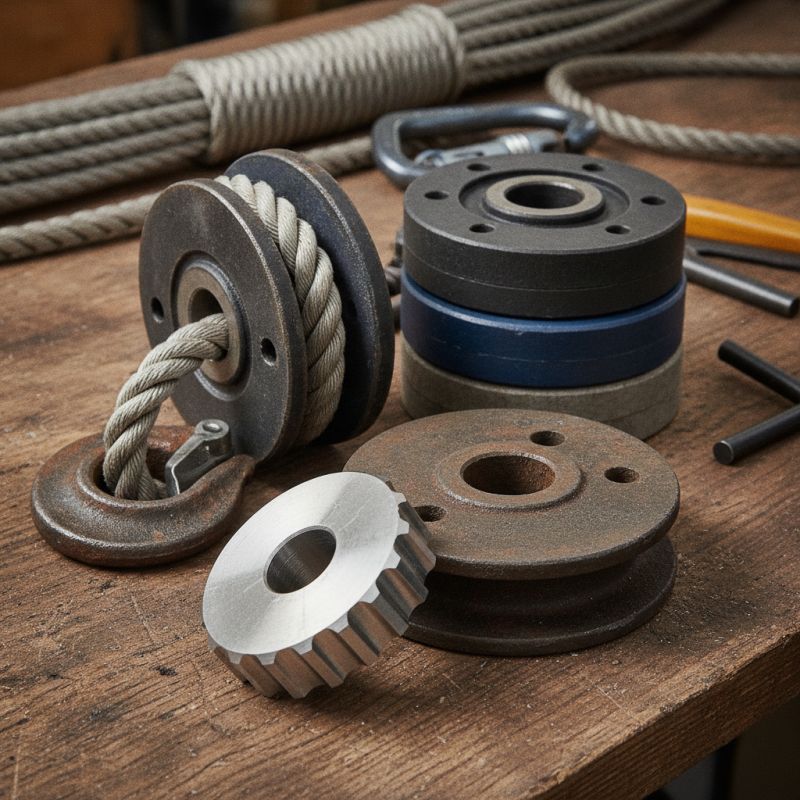
What Are Rope Block Sheaves and Their Key Functions?
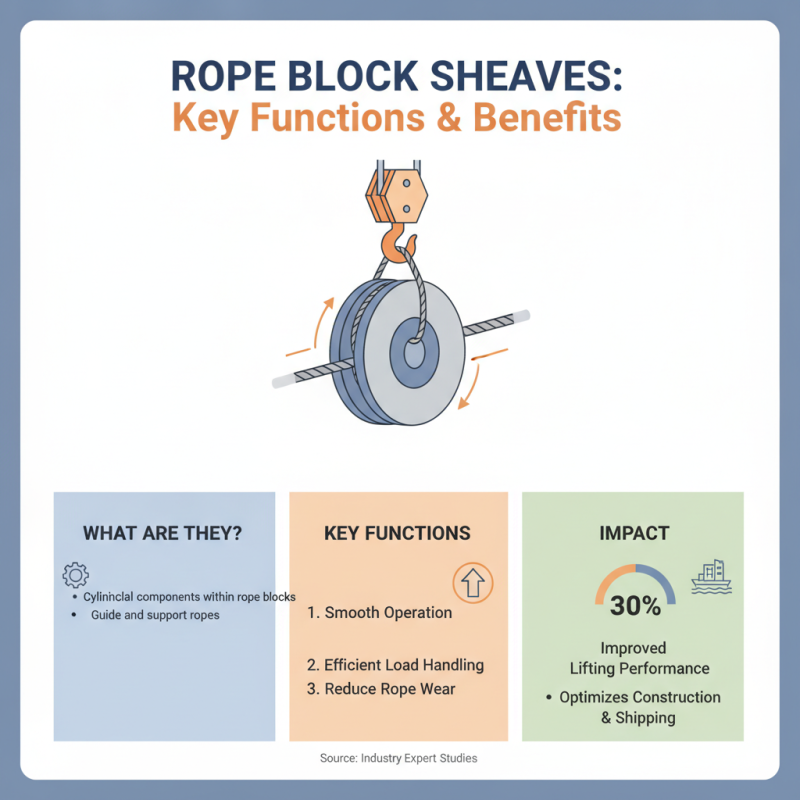
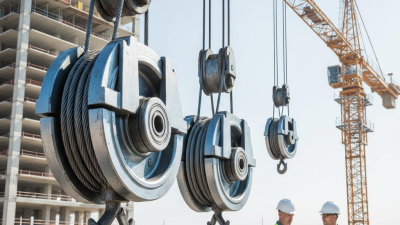
Rope block sheaves are crucial components in various systems, from cranes to marine applications. These cylindrical elements guide the rope, ensuring smooth operation and efficient load handling. Studies from industry experts indicate that the right sheave can enhance lifting performance by up to 30%. This improvement is vital for optimizing workflows in construction and shipping.
The key functions of rope block sheaves include reducing friction and wear. A well-designed sheave can prevent abrasion on the rope, prolonging its lifespan. However, not all sheaves are created equal. Choosing the wrong material can lead to premature failures. For instance, nylon sheaves might wear out faster under heavy loads compared to metal ones. Data show that properly matched sheaves and ropes can reduce energy loss by as much as 15%.
Selecting the best rope block sheaves involves considering the specific application. Load ratings, sheave diameter, and proper maintenance play crucial roles. A miscalculated choice can lead to accidents or inefficiencies. Industry reports highlight that over 20% of equipment failures are caused by improper sheave usage. It's essential to weigh these factors to ensure safe and productive operations.
Understanding Different Materials Used in Sheave Manufacturing
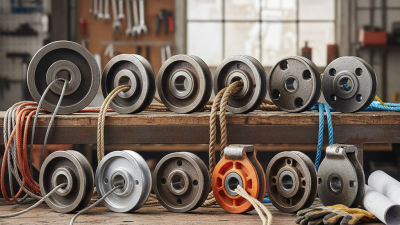
When selecting rope block sheaves, understanding the materials used in their manufacturing is crucial. Different materials impact the performance, weight, and durability of sheaves significantly. Common materials include aluminum, nylon, and steel. According to industry reports, aluminum sheaves are lightweight and resistant to corrosion. However, they may not withstand heavy loads as effectively as steel options.
Nylon sheaves, on the other hand, are known for their low friction and high resistance to abrasion. These characteristics make them suitable for a variety of applications, especially where weight is a concern. Industry experts highlight that while nylon is a great option for certain environments, it might not offer the same longevity under heavy use compared to metal sheaves. Each material has its strengths and weaknesses, making the choice critical.
Tips: Always consider the specific application and load requirements before making a selection. Assess the environmental factors the sheaves will face. This includes exposure to chemicals or extreme temperatures. Remember, the right material can enhance performance and longevity. Ensure to examine product specifications and seek expert advice if needed; choosing the wrong material can lead to failures and costly downtime.
Sheave Material Comparison
This chart illustrates the weight of various sheave materials commonly used in manufacturing rope block sheaves. Each material is compared based on its weight, which can influence factors such as performance and durability.
Essential Factors to Consider When Selecting Rope Block Sheaves
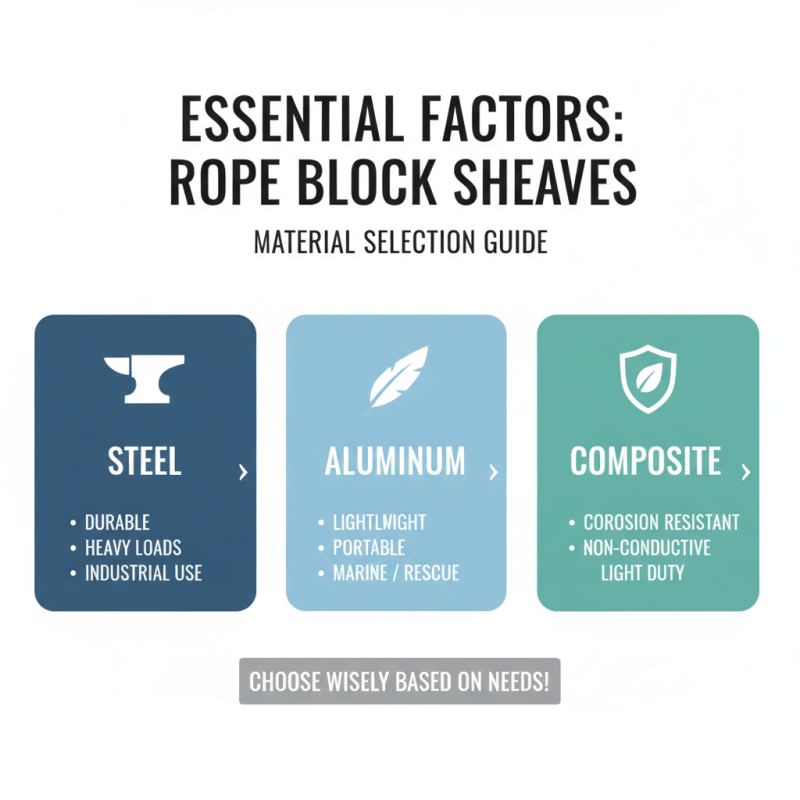
When selecting rope block sheaves, several crucial factors come into play. First, consider the material. Steel, aluminum, and composite materials each bring unique benefits. Steel is incredibly durable, while aluminum offers lightweight advantages. Composite materials can resist corrosion but may not be as robust under heavy loads. Evaluating these options based on your specific needs ensures that you choose appropriately.
Another important aspect is the sheave diameter. Larger sheaves can reduce wear on the rope and provide smoother operation. However, they require more space and may not fit all setups. Additionally, load capacity is vital. Each sheave has a maximum load rating, and exceeding this can lead to failure. It’s essential to understand your application's demands fully and match the load capacity accordingly.
Also, pay attention to the sheave groove design. A properly designed groove will promote optimal rope alignment and reduce fraying. Some users overlook this, leading to premature rope damage. It’s an easy detail to miss but can vastly impact performance. Thinking through these considerations carefully will enhance your experience with rope block sheaves, contributing to safer and more effective operations.
Comparative Analysis of Sheave Sizes and Their Application Efficiency
When it comes to choosing sheave sizes for rope blocks, application efficiency is key. The size of the sheave affects the overall performance of the rope system. According to a report by the International Association of Rope Access Technicians, larger sheaves can reduce friction significantly. This can lead to smoother operation and extended rope lifespan.
However, larger sheaves may not always be the best choice. They can also increase the overall weight of the system. A study published in the Journal of Mechanical Engineering highlighted that in certain applications, using smaller sheaves resulted in adequate efficiency while minimizing excess weight. Choosing the right size boils down to the specific demands of the project.
Understanding your project’s requirements is essential. For instance, in tight spaces, smaller sheaves may be more practical, despite their higher friction rates. This trade-off can sometimes lead to strategic project delays. Additionally, not all systems benefit from larger sheaves, which may create an imbalance in load distribution. Therefore, an informed decision based on precise calculations and design needs will enhance both safety and operational effectiveness.
Maintenance Tips for Prolonging the Life of Rope Block Sheaves
Rope block sheaves play a critical role in rigging systems. Regular maintenance can significantly extend their lifespan. Inspect sheaves for signs of wear or damage. Look for cracks, grooves, or rust. These small issues can lead to bigger failures over time.
Cleaning is essential. Remove dirt and debris that can cause friction. A soft brush or cloth works well for this task. Ensure the sheaves rotate smoothly. Lubricate them according to the manufacturer’s recommendations. Yet, it's easy to overlook lubrication. Check this step often.
Consider the environment where sheaves are used. Exposure to weather can affect their condition. Protect them from moisture and chemicals if possible. Store them properly when not in use. Avoid stacking them in a way that causes pressure points. Regular audits can help identify potential issues before they escalate. Neglecting maintenance is a common mistake. Prioritize these steps to maximize the efficiency and lifespan of your rope block sheaves.
What is Rope Block Sheaves and How to Choose the Best? - Maintenance Tips for Prolonging the Life of Rope Block Sheaves
| Dimension |
Material |
Load Capacity (lbs) |
Sheave Diameter (inches) |
Maintenance Frequency |
| Small |
Aluminum |
500 |
2 |
Monthly |
| Medium |
Steel |
1000 |
4 |
Bi-weekly |
| Large |
Composite |
2000 |
6 |
Quarterly |
| Extra Large |
Titanium |
3000 |
8 |
Yearly |