Top 5 Rope Block Sheaves for Efficient Lifting Solutions?
In the world of material handling, "Rope Block Sheaves" play a vital role in ensuring efficient lifting operations. Expert engineer Mark Wilson once stated, "Choosing the right sheave can transform your lifting strategy." His insights highlight the importance of selecting high-quality components for lifting systems.
Rope Block Sheaves influence not only the load capacity but also the durability of the entire setup. With advancements in materials and design, these sheaves now offer enhanced performance and reliability. However, the industry still faces challenges. Many users often overlook the specific load requirements, leading to inefficiencies. Selecting the wrong sheave can result in wear and unexpected failures.
While improvements have been made, understanding the nuances of Rope Block Sheaves remains essential. Users must continuously assess their needs and adapt as technology evolves. This thoughtful approach fosters better lifting solutions and minimizes downtime. With the right knowledge and resources, users can optimize their lifting systems successfully.
Understanding Rope Block Sheaves and Their Importance in Lifting
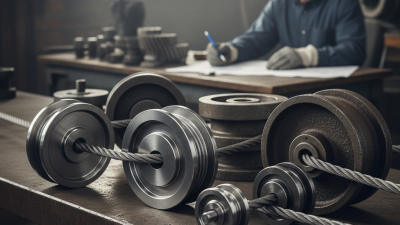
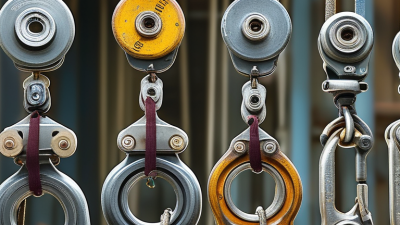
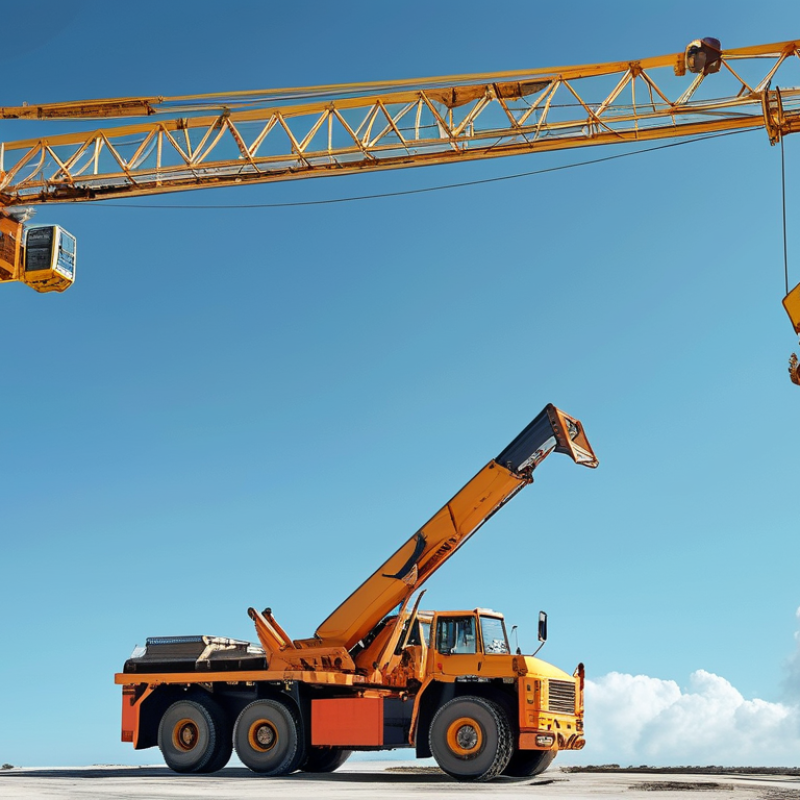
Rope block sheaves play a crucial role in lifting operations. These components guide ropes through pulleys, providing a mechanical advantage. Their design allows for effective load distribution, reducing wear on ropes. Choosing the right sheave can enhance efficiency and safety in lifting tasks.
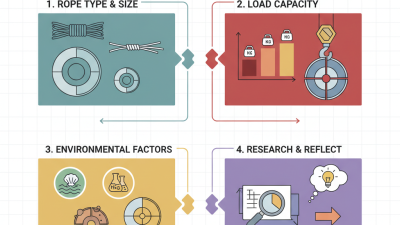
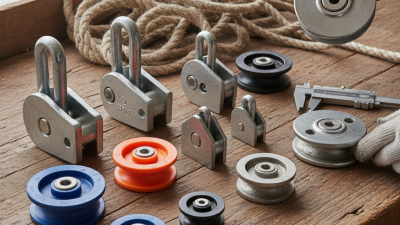
The size and material of a sheave significantly affect its performance. Sheaves should match the diameter of the rope to minimize slippage. Using mismatched sizes can lead to increased friction and wear. In high-load scenarios, opting for robust materials is vital. Aluminum and composite sheaves are popular due to their balance between weight and strength.
The maintenance of sheaves is often overlooked. Regular inspections can prevent unexpected failures. It's advisable to clean sheaves and check for wear regularly. Proper lubrication also extends their lifespan. When sheaves show signs of damage, they should be replaced promptly. Ignoring these details can lead to serious accidents. Ensuring operational reliability demands attention to these components.
Top 5 Rope Block Sheaves for Efficient Lifting Solutions
Key Features to Consider When Choosing Rope Block Sheaves
When selecting rope block sheaves, it’s vital to understand their key features. Material quality plays a critical role. Many sheaves are made from composite or metal materials. Composites are lightweight, while metals offer durability. The right choice depends on your lifting needs.
Another factor to consider is the sheave diameter. A larger diameter often results in reduced wear on the rope. It allows for smoother movements. However, it can also add weight. Your lifting environment may dictate your choice.
Bearing types can’t be overlooked. Ball bearings provide easier rotation but might require maintenance. Plain bearings are simpler, but can create more friction. Reflect on which option fits your maintenance schedule. Each choice has trade-offs, and careful consideration can lead to improved performance.
Top 5 Recommended Rope Block Sheaves for Optimal Performance
When searching for optimal lifting solutions, the choice of rope block sheaves plays a pivotal role. A report by the International Journal of Industrial Technology highlights that the efficiency of lifting systems can increase by 30% with the use of high-quality sheaves. This improvement is attributed to reduced friction and wear, which allows for smoother operation. Selecting materials that withstand high tensile strength and environmental factors is vital.
Some ropes struggle with sheave compatibility, leading to wear and reduced lifespan. In fact, a study from the Lifting Equipment Engineers Association found that improper sheave selection can decrease lifting performance by upwards of 20%. This emphasizes the need for careful consideration when choosing the right sheave for specific applications. Proper alignment and maintenance also cannot be overlooked. Effective inspection schedules often mitigate performance issues, keeping systems running efficiently.
For manufacturers and engineers, understanding load capacities and sheave design is crucial. Some designs may provide optimal performance under certain conditions, but can falter under unexpected loads. Insights from industry reports indicate that regular training and knowledge sharing contribute to better decision-making in sheave selection. Compartmentalizing information about load ratings and operational limits ensures improved safety and reliability in lifting operations.
Comparative Analysis of Rope Block Sheaves for Various Applications
Rope block sheaves play a critical role in lifting solutions across various industries. Their design and material significantly impact efficiency and safety. Recent industry reports suggest that the right sheave can increase lifting efficiency by up to 30%. This is crucial for construction, marine, and even theatrical applications where every bit of efficiency counts.
A comprehensive analysis reveals that different applications require distinct types of sheaves. For instance, lightweight materials are beneficial in applications demanding high mobility. Conversely, heavy-duty options are essential for lifting heavy equipment. It’s noteworthy that improper matching of sheave and rope can lead to rapid wear. In fact, research indicates that nearly 15% of lifting accidents stem from equipment mismatch, underscoring the need for professional assessment.
Furthermore, the trend towards synthetic materials is notable. These offer better resistance against environmental factors while ensuring weight savings. However, there is a caveat. While synthetic sheaves can reduce operational strain, they may not offer the same durability as traditional materials in high-stress scenarios. This necessitates a thorough evaluation of both the sheave and its application environment to avoid unforeseen issues.
Maintenance Tips for Ensuring Longevity of Your Rope Block Sheaves
Proper maintenance of rope block sheaves is critical for their performance and longevity. Regular inspections can help identify wear and tear before they become major issues. A study from the Machinery Failure Prevention Technology suggests that proactive maintenance can reduce equipment downtime by up to 30%. This emphasizes the importance of keeping an eye on these key components.
Cleaning sheaves is a vital maintenance step. Dust and debris can accumulate, leading to friction and eventual failure. A quarterly schedule for cleaning can ensure sheaves continue to operate smoothly.
Additionally, lubrication is crucial. Using the right type of lubricant reduces friction, which, according to the American Society of Mechanical Engineers, can improve efficiency by as much as 15%.
Incorporating training for your team is equally important. Understanding the correct procedures can prevent mishandling. Lack of knowledge often leads to unnecessary costs and safety hazards. Each team member should be familiar with the signs of wear and how to address them. This can mitigate risks and extend the lifespan of rope block sheaves significantly.