10 Essential Tips for Choosing Rope Block Sheaves Effectively?
Choosing the right rope block sheaves is crucial for efficiency in various industries, including construction and maritime sectors. According to a 2021 industry report by the International Association of Rigging and Lifting Professionals, improper selection can lead to significant downtime. A staggering 30% of operational delays stem from equipment failure linked to inadequate sheave choice.
When selecting rope block sheaves, consider factors such as load capacity, material, and environmental conditions. Industry standards suggest using sheaves that match the rope's specifications closely. This not only enhances performance but also increases safety in operations. Additionally, many operators overlook maintenance practices, which can greatly affect the lifespan of the sheaves.
The importance of proper sheave selection extends beyond just equipment efficiency. It reflects a commitment to safety and operational excellence. Neglecting this aspect can result in avoidable risks and financial loss. Therefore, understanding the nuances of rope block sheaves is essential for any professional in the field.

Understanding the Different Types of Rope Block Sheaves
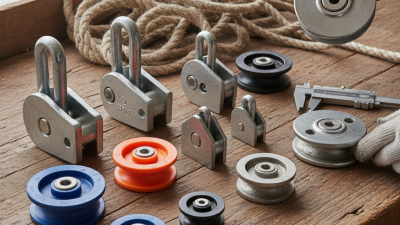
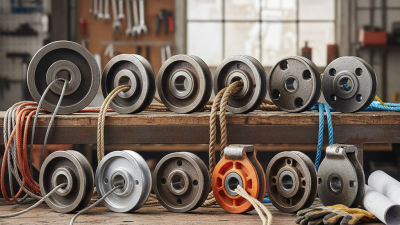
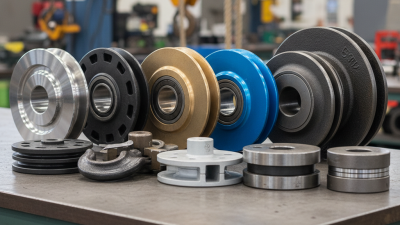
When selecting rope block sheaves, understanding the different types is crucial. There are various designs, each suited for specific applications. Some sheaves are made of plastic, while others use metal. The material can affect durability and weight. Plastic sheaves might be cheaper, but they may wear out faster in high-friction scenarios. Metal sheaves are robust but can add weight to your setup.
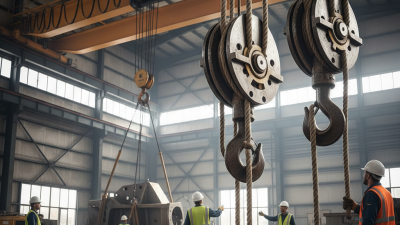
Sheaves also come in different configurations. Single sheaves provide simplicity, while double or multi-sheave blocks offer mechanical advantage. Choosing the right configuration depends on your needs. Are you lifting heavy loads or just redirecting force? Think about your application carefully.
Dimension is another vital factor. The diameter of the sheave impacts the rope size it accommodates. A mismatch can lead to wear and reduce efficiency. It’s easy to overlook this detail, but the right fit can make all the difference in performance. Do not hesitate to consult specifications or seek advice from experts when in doubt.
Key Factors to Consider for Sheave Size and Compatibility
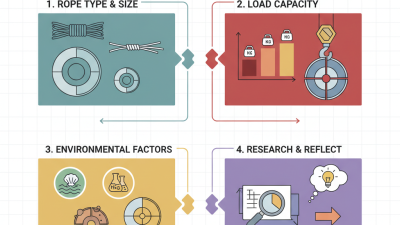
When selecting rope block sheaves, understanding size and compatibility is vital. Sheave size affects performance, load capacity, and the overall effectiveness of your setup. A sheave that is too small may cause excessive wear and tear on the rope. It can lead to premature failure. Conversely, an oversized sheave may not provide sufficient grip, resulting in slippage.
Consider the rope diameter you intend to use. This will help determine the proper size of the sheave. Each rope type has a specific application, and pairing it with the right sheave is crucial. Compatibility isn't just about diameter; it's also about material and construction. A sheave made from steel may be too rigid for softer ropes, leading to chafing and degradation over time.
Lastly, think about the operational environment. Moisture, temperature, and debris can all impact how effectively a sheave functions. If you're working in challenging conditions, choosing a sheave with protective features might be wise. Recognizing these factors can prevent costly mistakes and improve the longevity of your equipment.
10 Essential Tips for Choosing Rope Block Sheaves Effectively
Material Selection: Choosing the Right Sheave for Your Needs
Selecting the right material for rope block sheaves is crucial. Different environments require different materials. Common options include
plastic, metal, and composite.
Plastic sheaves are lightweight and often used in recreational settings. They resist corrosion but may wear down quickly.
Metal sheaves, on the other hand, offer durability. They withstand harsh conditions but can be heavier.
The choice often boils down to the specific application and conditions.
In some cases, composite materials can combine the best of both worlds. They provide strength while still being relatively lightweight, making them versatile.
Yet, these materials might not always be the cost-effective choice. It’s essential to balance durability with budget constraints.
Not everyone considers how the sheave will perform under extreme loads. This oversight can lead to failures and costly replacements.
Pay attention to the environment where the sheave will operate.
Consider factors like exposure to chemicals or extreme temperatures. It’s easy to assume one material fits all situations.
However, this can result in disappointment when the sheave doesn't perform as expected. Reflect on your needs carefully,
and explore options before purchasing. This approach will help you make a more informed decision.
Analyzing Load Capacities and Strength Ratings of Sheaves
When selecting rope block sheaves, understanding their load capacities and strength ratings is crucial. According to industry standards, the working load limit (WLL) of sheaves often determines their suitability for specific applications. For example, a sheave rated for 1 ton may only safely handle 50% of that limit under continuous use. Recognizing this variable is essential. A miscalculation here can lead to catastrophic failures.
Materials also play a pivotal role in strength ratings. Steel sheaves, for instance, typically offer higher durability compared to their aluminum counterparts. Industry reports indicate that steel sheaves can withstand higher impact forces and wear over time. However, they may be heavier and less versatile in certain applications. It's worth noting that not every sheave fulfills its promised strength. Some may degrade faster than expected, influenced by environmental factors such as humidity and extreme temperatures. Regular inspections are necessary to prevent unexpected breakdowns.
Ultimately, understanding the nuances of load capacities and strength ratings can lead to more informed decisions. A rigorous analysis of technical specifications ensures safety and efficiency. This process should involve evaluating multiple data sources and engaging with engineering professionals when possible. Neglecting these details can compromise both the equipment's integrity and the safety of personnel involved.
Maintenance Tips for Prolonging the Life of Rope Block Sheaves
When it comes to maintaining rope block sheaves, regular checks are crucial. Dirt and grime can accumulate, affecting performance. Use a soft brush to clean the surfaces regularly. Old sheaves can wear unevenly, leading to potential failures. Inspect the grooves for any signs of wear. If they are too deep or damaged, it might be time to replace them.
Lubrication is key. However, not all lubricants are suitable. Choose non-greasy, water-resistant options to avoid attracting dirt. Apply a moderate amount to the moving parts to ensure smooth operation. Over-lubrication can lead to buildup, which can hinder performance and create issues.
Consider environmental factors as well. Exposure to sunlight can weaken materials over time. Storing sheaves in a shaded area is recommended when not in use. Extreme temperatures can also affect durability. Monitoring usage under harsh conditions can help in early identification of potential problems. A consistent maintenance routine is your best defense against unexpected issues.