China Top 10 Safety Relief Valve Manufacturers?
China’s safety valve industry has grown from basic fabrication toward precision engineering, testing, and export-oriented production. This article examines ten notable China Safety Relief Valve manufacturers and the qualities separating reliable suppliers from attractive catalogs. The review considers product range, pressure ratings, materials, certifications, testing practices, delivery capability, and after-sales support.
A Safety Relief Valve is not merely a small metal device on a pipeline. It may protect a steam drum, chemical reactor, storage vessel, or compressor during a sudden pressure rise. One poorly selected valve can create expensive and dangerous consequences. Lloyd E. Brownell and Edwin H. Young, respected pressure-vessel engineering authors, stated, “The function of a safety valve is to prevent excessive pressure.” That principle still matters.
The comparison focuses on practical evidence. Can the manufacturer provide traceable material certificates? Are set-pressure tests documented? Does the factory understand back pressure, temperature, corrosion, and discharge capacity? These questions often reveal more than polished websites. Some suppliers show impressive machining, yet their technical communication remains incomplete. That deserves careful reflection.
China offers both established specialists and ambitious newer producers. Their strengths may differ. One company may excel in forged stainless-steel valves, while another offers broad customization or faster project support. Buyers should verify certification validity, inspection records, production experience, and field references before choosing. No ranking can replace application-specific engineering.
This guide is intended for plant engineers, procurement teams, distributors, and project contractors seeking a clearer starting point. The top ten list is useful, but not absolute. Operating conditions change everything.
Safety Relief Valves: Definition, Functions, and Industrial Applications
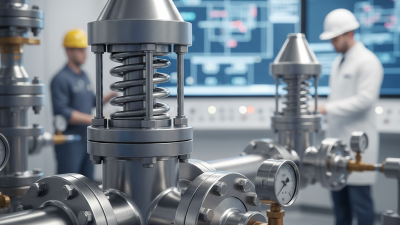
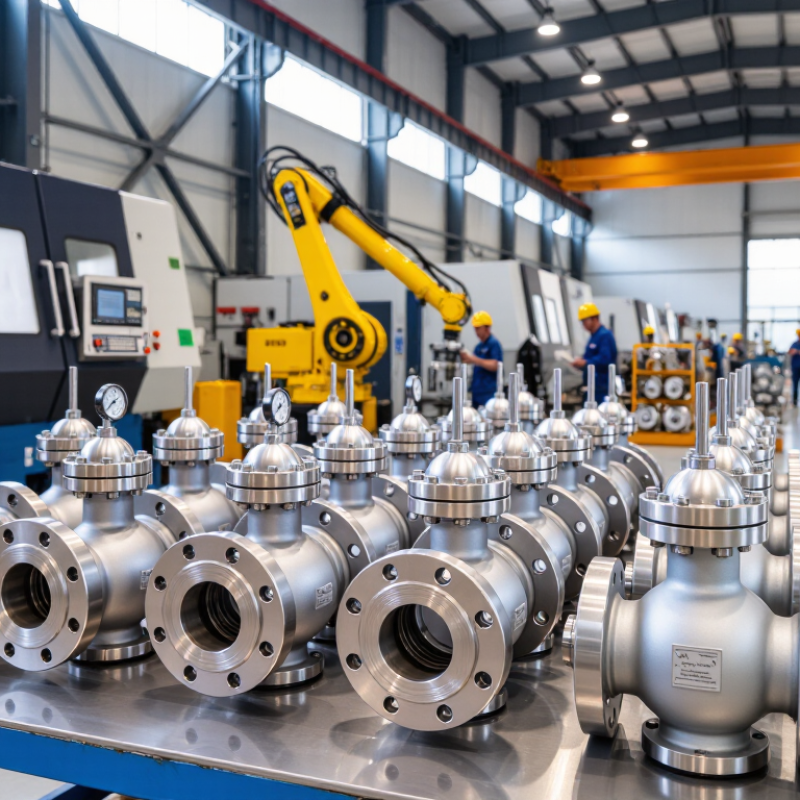
Safety relief valves protect pressurized equipment from dangerous overpressure. They open automatically when system pressure exceeds a preset limit. The valve then releases fluid until pressure returns to a safer range. In boilers, reactors, storage tanks, pipelines, and compressors, this response can prevent severe equipment damage. A reliable valve requires correct sizing, material selection, and pressure calibration. Temperature, fluid toxicity, corrosion, and back pressure also influence the design. These details matter when comparing China’s top ten safety relief valve manufacturers.
In practical inspections, technicians check the nameplate, spring condition, sealing surface, and discharge piping. A valve may look clean but still fail after long exposure to heat or corrosive media. Testing should follow documented procedures and traceable instruments. Certificates, factory test records, and maintenance history provide stronger evidence than attractive product photographs. Manufacturing quality also depends on machining accuracy, assembly control, and final pressure testing. However, no checklist is perfect. Site vibration, blocked outlets, or incorrect installation can defeat a well-made valve.
Tips: Confirm the set pressure against the equipment design pressure. Check whether the valve suits liquid, gas, or steam service. Keep the discharge outlet visible and safely routed. Replace damaged seals promptly. When selecting a manufacturer, review test capabilities, material certificates, and after-sales technical support. A local inspection by qualified personnel remains valuable, even when documentation appears complete.
Criteria for Ranking China’s Top Safety Relief Valve Manufacturers
China Top 10 Safety Relief Valve Manufacturers?
Ranking China’s top safety relief valve manufacturers requires more than comparing catalog prices. The evaluation should begin with verified manufacturing experience, engineering capability, and consistent production records. A reliable supplier should provide pressure-setting data, material certificates, flow-capacity tests, and calibration reports. These documents should match the actual valve delivered.
Technical compliance is another important measure. Review the manufacturer’s quality system, inspection equipment, traceability process, and independent certification records. Check whether engineers understand temperature changes, back pressure, corrosion, and installation conditions. Factory audits can reveal practical details, such as clean assembly areas, controlled testing procedures, and properly labeled components.
Customer references from similar industries also provide useful evidence, although they should not be accepted without verification. No ranking is flawless. Some data may remain incomplete.
Tips: Compare suppliers using the same criteria. Request recent test records, not only brochures. Confirm delivery history and after-sales response times. Ask how rejected valves are handled. Small details matter.
A balanced ranking should also consider customization, spare-part availability, technical communication, and long-term reliability. The lowest quotation may hide higher maintenance costs or weaker documentation. At the same time, a high price does not automatically prove superior performance. Review measurable evidence, inspect samples when possible, and record every evaluation result. This approach supports a more professional and dependable ranking.
Profiles of China’s Top 10 Safety Relief Valve Manufacturers
China’s top 10 safety relief valve manufacturers are best evaluated through evidence, not production claims alone. Their profiles should cover design capability, pressure testing, metallurgy, export experience, and after-sales support. Grand View Research estimates the global industrial valves market reached approximately USD 77 billion in 2023, with steady growth expected through 2030. This expansion increases demand for dependable pressure protection in chemical plants, power stations, refineries, and compressed-gas systems.
The leading Chinese manufacturers generally serve different niches. Some focus on spring-loaded valves for boilers and pipelines. Others develop pilot-operated designs for high-pressure process equipment. Stronger profiles show API 527 leakage results, documented set-pressure testing, material certificates, and traceable calibration records. The China Valve Industry Association has repeatedly highlighted automation, energy efficiency, and quality consistency as major industry priorities. Those themes matter on a factory floor.
Look closely at machining tolerance and testing depth.
A polished catalog is not enough. During supplier visits, buyers should inspect test benches, storage conditions, welding procedures, and inspection records. ISO 9001 certification supports process control, but it does not prove every valve performs correctly.
That distinction is often missed.
Some manufacturers communicate technical data clearly, while others provide incomplete performance curves or vague temperature limits. These weaknesses deserve attention, even when pricing appears attractive. A careful comparison should also examine response time, spare-part availability, and field experience in similar media and operating conditions.
Product Capabilities, Certifications, and Industry Sectors Compared
China’s top ten safety relief valve manufacturers differ mainly in engineering depth, certification scope, and sector experience. Many produce spring-loaded, pilot-operated, vacuum relief, and rupture-disc systems. Stronger suppliers also offer cryogenic designs, corrosion-resistant alloys, and customized set pressures.
Product capability matters during real plant conditions. A valve protecting a steam line may require different trim from one handling chlorine, sour gas, or liquid ammonia. Reliable manufacturers usually provide pressure-temperature curves, material certificates, inspection records, and test reports. Look for ISO 9001 quality systems, while API 526 and API 527 support dimensions and seat tightness for applicable products. ASME certification, PED compliance, or local pressure-equipment approvals may strengthen market acceptance. However, certificates can cover only specific models or factories. Check the current scope.
Industry coverage separates experienced suppliers from basic assemblers. Oil and gas projects often demand fire-safe construction, high backpressure tolerance, and documented fugitive-emission control. Chemical plants may prioritize alloy selection and accurate reseating. Power stations need stable performance under steam cycling. Food, pharmaceutical, and water facilities usually require cleaner surfaces, hygienic materials, or simpler maintenance. Hydrogen and cryogenic applications remain technically demanding. Not every supplier handles them well.
A practical comparison should include response time, calibration equipment, field service, and spare-part availability. A polished catalog proves little. Ask for witnessed tests. I would also examine failure records, because published performance data can look better than operating reality.
China Top 10 Safety Relief Valve Manufacturers: Capabilities, Certifications, and Industry Sectors Compared
This chart compares ten anonymized manufacturer profiles using commonly documented safety relief valve evaluation dimensions. Scores represent the number of applicable product capability areas, certification categories, and industry sectors covered; they are not company names or brand-specific ratings.
Product capability areas include conventional spring-loaded, pilot-operated, bellows-sealed, cryogenic, high-temperature, and customized relief valves. Certification categories include ISO 9001, API 526, API 527, ASME BPVC Section VIII, PED, ATEX, and SIL-related compliance. Industry sectors include oil and gas, petrochemicals, power generation, chemical processing, pharmaceuticals, water treatment, LNG, and industrial manufacturing.
How to Select the Right Chinese Safety Relief Valve Manufacturer
How to Select the Right Chinese Safety Relief Valve Manufacturer
Choosing a Chinese safety relief valve manufacturer requires more than comparing price lists. Start with the valve’s service conditions: fluid, pressure, temperature, capacity, and back pressure. A competent supplier should calculate sizing and explain material choices in clear technical language. Ask for drawings, pressure-test records, calibration certificates, and serial-number traceability. Small gaps matter.
Review manufacturing controls, not only polished brochures. Look for documented inspection plans, qualified personnel, controlled machining, and final set-pressure testing. ISO 9001 certification can support credibility, but it does not replace product-specific evidence. Request test procedures aligned with the required industry standard and your project specification. Confirm whether testing covers cold differential test pressure, seat tightness, and allowable overpressure. Factory audits are useful. Inspect calibration labels, storage conditions, weld records, and nonconforming-product controls.
Communication after purchase deserves equal attention. Clarify lead times, spare-part availability, installation guidance, and response times for technical questions. A reliable manufacturer should identify limits instead of promising every performance target. The cheapest quotation may exclude testing, documentation, or corrosion-resistant materials. That difference appears later, often during commissioning. Compare two suppliers using identical data sheets. Attractive documentation can feel more convincing than verified performance. Leave room for doubt, and ask for evidence.